
California Community Colleges Reject New Bachelor’s Degree Rules Despite Legislative Passage
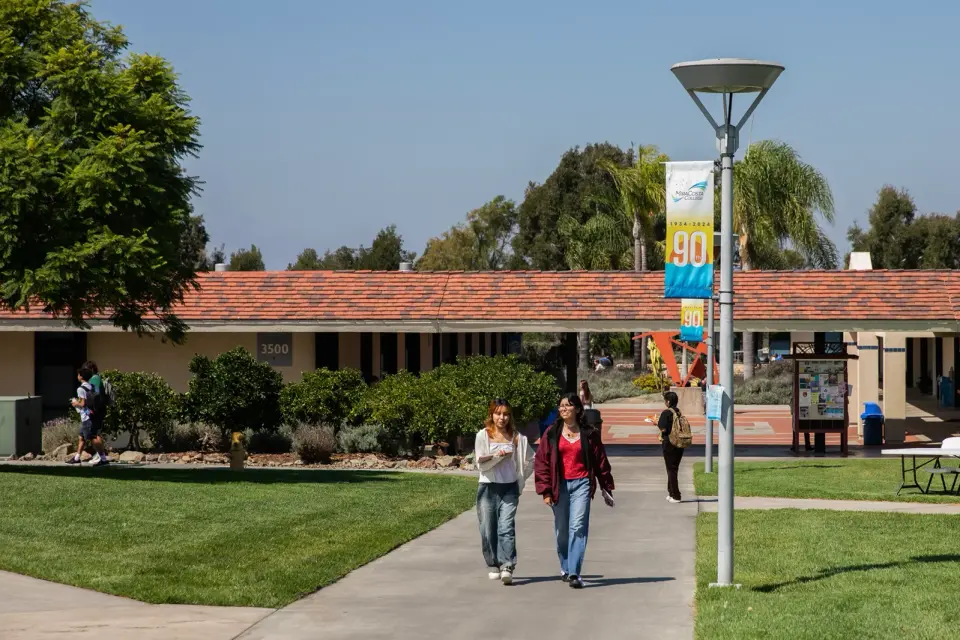
California community colleges have officially opposed two bills that would allow them to offer more bachelor’s degrees, despite the legislation passing the state legislature. The bills, SB 960 and AB 2694, introduce new caps and accountability metrics based on student completion rates, which college leaders argue are too restrictive and unfairly penalize institutions serving low-income populations. Although the California State University (CSU) system withdrew its opposition, the community college system remains divided, with some leaders accepting the changes while others criticize the last-minute amendments as poor policymaking. The bills now await action from Governor Gavin Newsom, who has previously vetoed similar measures.
Key points
- SB 960 and AB 2694 passed the California Legislature with wide support, replacing previous bans on degree duplication with a new framework based on workforce needs and performance metrics.
- The new rules limit districts to proposing three new bachelor’s degrees per year and cap total offerings between two and 12 additional degrees starting in 2028, depending on completion rates.
- Community college leaders, including the Community College League of California, opposed the final versions due to last-minute changes that tie eligibility to statewide averages, potentially penalizing colleges with lower completion rates.
- The California State University (CSU) system dropped its opposition after the bills included safeguards, such as requiring a 75% admission threshold for nearby CSU programs and a five-year ban on reapplication if the labor secretary sides with CSU.
- The bills are now on Governor Gavin Newsom’s desk; he has vetoed previous attempts to expand community college bachelor’s degrees since 2024, citing concerns about inter-segmental conflict.
Background
This dispute follows years of tension between California’s community colleges and the CSU/UC systems over the 'Master Plan for Higher Education,' which historically restricted community colleges from offering bachelor’s degrees already available at universities. A 2021 law attempted to resolve this by prohibiting duplication, but conflicts persisted, particularly for 'place-bound' students in areas distant from public universities. Previous legislative attempts to expand community college authority were vetoed by Newsom, leading to the current comprehensive but contested framework.
How outlets are covering it
CalMatters and LAist emphasize the community college system’s sudden opposition to the final bills, highlighting concerns from leaders like Larry Galizio and Sonya Christian about unclear, last-minute caps that disadvantage low-income-serving campuses. The Los Angeles Times notes that CSU and UC formally withdrew their opposition, framing the bills as a compromise that balances workforce needs with transfer pathways. POLITICO Pro highlights the procedural shift, noting that CSU removed its opposition late in the session, allowing the bills to pass despite community college dissent. While CalMatters and LAist focus on the internal division within the community college system, the LA Times emphasizes the broader systemic coordination between CSU, UC, and community colleges.
Why it matters
The outcome of these bills will determine whether California’s community colleges can expand bachelor’s degree offerings to meet local workforce demands and serve students who cannot relocate to distant universities. If Newsom signs the bills, it will reshape the state’s higher education landscape, potentially reducing reliance on the transfer system but also introducing new performance-based restrictions. If vetoed, the status quo of limited degree duplication will continue, maintaining the current tensions between the three higher education segments and limiting access to four-year degrees for place-bound students.
What to watch
Governor Gavin Newsom must decide whether to sign or veto SB 960 and AB 2694. If signed, the new rules take effect on January 1, 2028, with existing bachelor’s degrees grandfathered in. Community college districts will begin applying for new degrees under the new caps and workforce need requirements, with the state labor secretary serving as the arbiter in disputes with CSU. If vetoed, the current restrictions on degree duplication will remain, and the community college system may continue to advocate for legislative changes in future sessions.
- Why community colleges no longer back this effort to help them offer more bachelor’s degrees CalMatters
- Community colleges suddenly oppose plan to let them offer more bachelor’s degrees LAist
- Article | Community colleges lose late fight over bachelor's degree bill they helped write subscriber.politicopro.com
- Community colleges would be able to award far more bachelor’s degrees if Newsom approves latimes.com
- Edsource: California Legislature Passes Bills To Expand Community College Bachelors Degree Offerings SFGATE
Want the full story? Read the original reporting
Read on CalMatters