
Cornell Faculty Demand No-Confidence Vote as President Defends Handling of 2024 Fraternity Rape
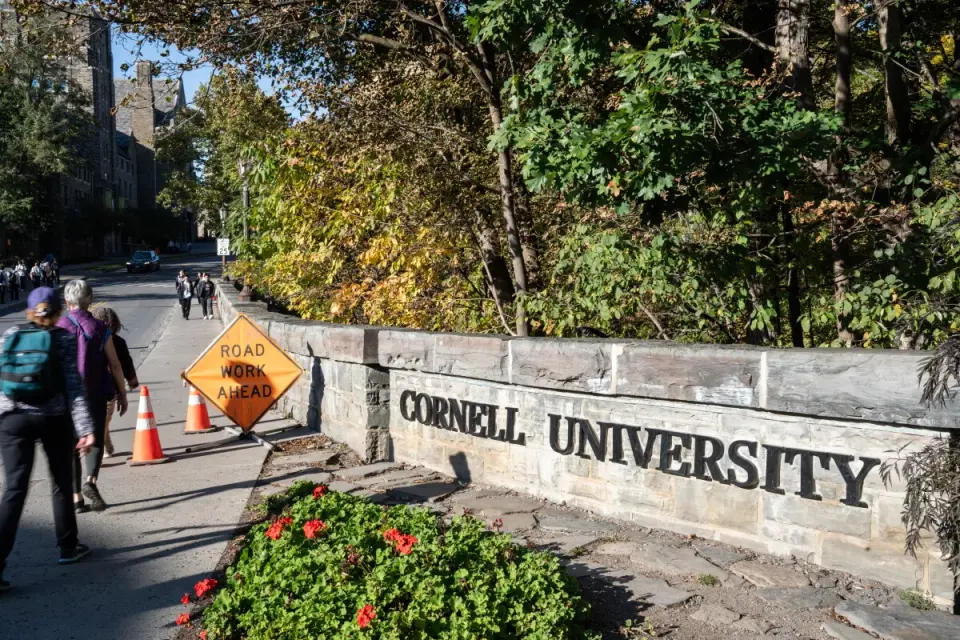
Cornell University President Michael Kotlikoff faces a no-confidence vote from the Faculty Senate after acknowledging he did not follow up on the criminal investigation of a 2024 alleged gang rape at a Chi Phi fraternity house. While the administration has suspended fraternity parties and brought in state police for investigations, critics argue the university’s Title IX punishments remain too lenient, with most students found responsible for sexual assault avoiding expulsion.
Key points
- Kotlikoff admitted at a closed Faculty Senate meeting that he had not read the Cornell Police Department’s report on the Jane Doe case, citing confidentiality policies, though he denied being unaware of the Title IX outcomes.
- The university suspended all Interfraternity Council parties for the 2026-2027 academic year and is using New York State Police to investigate sexual assault allegations during an independent review led by former Deputy Attorney General Sally Yates.
- CNN data shows that between 2020 and 2024, Cornell found 16 students responsible for sexual assault but expelled only two; the rest received suspensions, written reprimands, or directed study programs.
- The Faculty Senate is debating a no-confidence resolution, with some members arguing that replacing the president would not solve the underlying cultural issues, while others criticize the administration’s lack of urgency.
Background
This crisis follows a lawsuit filed by Jane Doe alleging she was drugged and gang-raped by seven Chi Phi members in October 2024. Previous coverage noted that the fraternity members told police the act was consensual, and that the university faced protests and vandalism in October 2026. A March 2026 task force report had already found that sexual assault rates at Cornell remained persistently high despite years of initiatives.
How outlets are covering it
AP and NBC News focus on the political fallout, highlighting Kotlikoff’s admission that he did not follow up on the criminal case and the faculty’s anger over his perceived defensiveness. CNN emphasizes the systemic failure of the Title IX process, citing specific cases where students received 'reflection papers' instead of expulsion, and argues that the university’s leniency discourages victims from coming forward. Cornell’s official statement frames the new measures as 'first steps toward systemic change,' emphasizing the need for evidence-based decisions over emotional reactions, while acknowledging the harm done to Jane Doe.
Why it matters
The case exposes deep flaws in how elite universities handle sexual misconduct, balancing legal liability against victim support. The potential no-confidence vote and the shift to state police investigations signal a major shift in accountability, potentially setting a precedent for other institutions facing similar Title IX scrutiny.
What to watch
The Faculty Senate is expected to continue debate on October 28 before electronic voting. The independent review by Sally Yates will assess Cornell’s policies, and the university will determine if fraternities can safely continue after the party ban expires. The outcome of the no-confidence vote could influence the trustees' decision on the university's leadership.
- Cornell president pressed by faculty frustrated by his handling of fraternity rape allegations AP News
- Cornell found more than a dozen students responsible for sexual assault. Just two were expelled. CNN
- Cornell president pressed by faculty over handling of fraternity rape allegations NBC News
- Immediate measures to strengthen campus safety and better support survivors Cornell University
- GUEST ROOM | The Whac-A-Mole Ritual of Suspending Fraternities Is Not Working; It’s Time for Deeper Reforms The Cornell Daily Sun
Want the full story? Read the original reporting
Read on AP News