
Outside Groups Dominate 2026 Midterm Ad Spending, Surpassing Candidate Funds
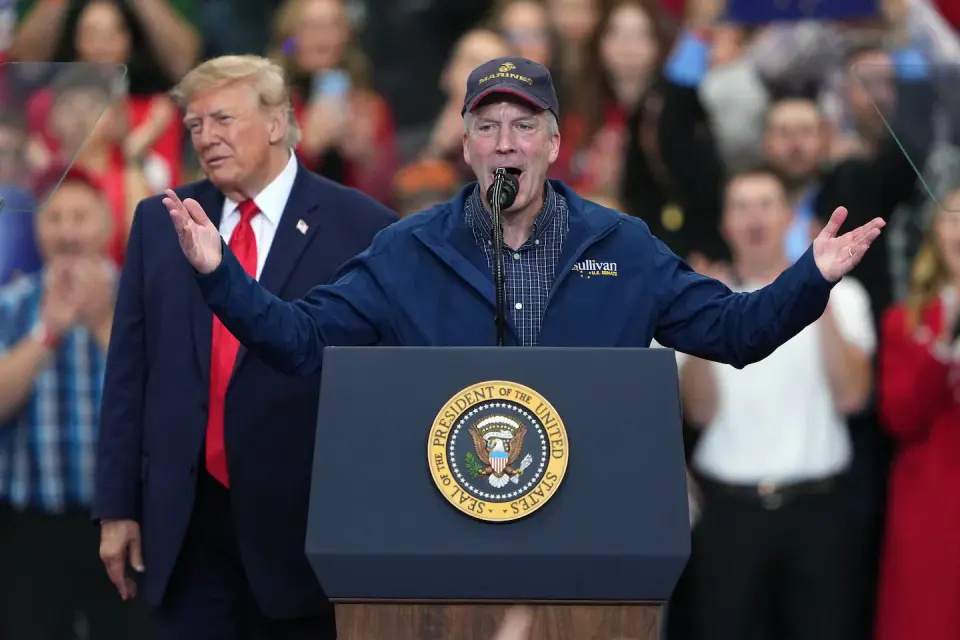
Outside political groups have spent over $1.2 billion on advertising in competitive congressional races, accounting for more than half of all ad spending in over 70% of these contests. This trend is driven by the post-2010 legal landscape allowing unlimited independent expenditures. Specific races, such as Michigan's 7th District and Alaska's Senate race, show massive outside spending, with PACs like the House Majority PAC and Senate Leadership Fund dominating the financial landscape.
Key points
- Outside groups have spent over $1.2 billion on advertising in competitive congressional races, according to a Washington Post analysis of AdImpact data.
- Outside group spending accounts for more than half of all advertising in over 70% of competitive congressional races.
- In Alaska's Senate race, outside groups account for 80% of all spending, with the Republican-aligned Senate Leadership Fund spending $14 million on incumbent Dan Sullivan.
- Michigan's 7th Congressional District is the second-most expensive House race, with $51.5 million spent, led by the pro-Democratic House Majority PAC ($12.2 million) and the GOP's Congressional Leadership Fund ($11.2 million).
- Connecticut's Citizens Election Program offers a public financing alternative, allowing candidates to raise small-dollar donations and receive state grants, reducing reliance on outside groups.
Background
The 2026 midterms are shaping up to be significantly more expensive than the 2022 cycle, with tens of billions of dollars spent. This surge in spending is a continuation of trends following the 2010 Supreme Court's Citizens United decision, which allowed unlimited independent expenditures by Super PACs. Recent competitive races in red states, such as Kansas and Alaska, have seen massive influxes of outside spending to defend or challenge seats, reflecting the high stakes of the 2026 elections.
How outlets are covering it
The Washington Post and WKAR emphasize the dominance of outside groups in ad spending, highlighting specific PACs and their financial impact. WSHU provides a contrasting perspective by detailing Connecticut's Citizens Election Program, which aims to reduce reliance on outside money through public financing. While The Post and WKAR focus on the scale and influence of Super PACs, WSHU highlights a state-level alternative that seeks to level the playing field through small-dollar donations and state grants.
Why it matters
The dominance of outside group spending in competitive races raises concerns about the influence of wealthy donors and Super PACs on elections. This trend can lead to candidates being beholden to their interests rather than their constituents. The high cost of campaigns may also discourage potential candidates who cannot match the spending of their opponents, potentially limiting the diversity of candidates. The Connecticut model offers a potential alternative, but its effectiveness in other states remains to be seen.
What to watch
As the November 3 election approaches, ad spending is expected to continue to rise, with numbers changing hourly. The impact of outside group spending on the outcomes of competitive races will be closely monitored. Additionally, the success or failure of public financing programs like Connecticut's may influence other states to consider similar measures. The 2026 midterms will likely set a new benchmark for campaign spending, with implications for future election cycles.
- Spending by outside groups crosses $1 billion in competitive congressional races The Washington Post
- Campaign spending is in the billions this cycle. CT’s clean election program bucks the trend WSHU
- $51.5 million later, Michigan’s 7th is the nation’s second-most expensive House race WKAR
- As midterms near, outside groups are pouring millions into these tight House races OpenSecrets
Want the full story? Read the original reporting
Read on The Washington Post