
Cornell Faculty Senate Convenes to Debate No-Confidence Vote Amid Sexual Assault Crisis
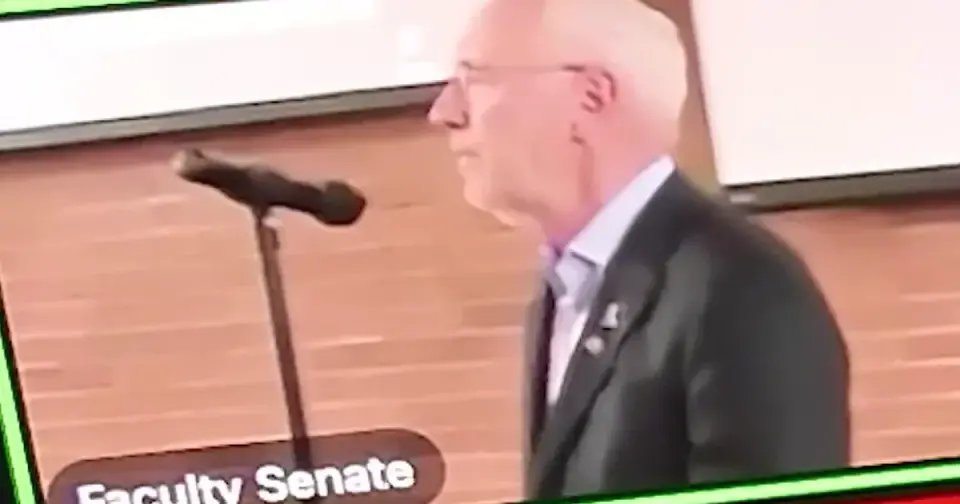
Cornell University President Michael Kotlikoff faced intense scrutiny from faculty during a closed-door meeting on October 14, 2026, as the Faculty Senate debated a no-confidence resolution. The debate centers on the university's handling of a 2024 alleged gang rape at a Chi Phi fraternity house, which has led to calls for administrative resignation. While the administration announced new investigative partnerships with the New York State Police and an independent review led by former Deputy Attorney General Sally Yates, critics argue these measures are reactive and insufficient. Faculty members expressed frustration over perceived suppression of academic freedom and student voices, with some alleging that over 80 students have been punished for nonviolent speech since 2023. The seven men accused in the 2024 case have denied the allegations, and a final vote on the no-confidence resolution is expected within a week of the next meeting on October 28.
Key points
- Cornell President Michael Kotlikoff addressed faculty concerns regarding the handling of sexual assault allegations during a closed-door Faculty Senate meeting on October 14, 2026.
- The university announced that former Deputy U.S. Attorney General Sally Yates will lead a comprehensive independent review of its handling of sexual misconduct claims, including the 2024 case.
- Kotlikoff confirmed that Cornell will collaborate with the New York State Police to bring in independent experts to investigate sexual assault allegations.
- Faculty members debated a no-confidence resolution, with some alleging that the administration has suppressed academic freedom and punished over 80 students for nonviolent speech since 2023.
- The seven men accused in the 2024 alleged gang rape at a Chi Phi fraternity house have denied the allegations, and a final vote on the no-confidence resolution is expected within a week of the next meeting on October 28.
Background
The current crisis stems from a 2024 alleged gang rape at a Chi Phi fraternity house, which led to a lawsuit filed by a former student, identified as Jane Doe. The controversy has intensified with new video evidence suggesting that fraternity brothers held secret meetings to suppress details of the assault, labeling it a 'consensual orgy.' The university has faced national scrutiny, with a reopened criminal investigation by New York authorities and a massive campus rally on October 5, 2026, where thousands of students and community members demanded the resignation of President Kotlikoff and other administrators. The administration has responded by suspending fraternity parties and implementing new support measures for survivors, but critics argue these steps are reactive and insufficient.
How outlets are covering it
CBS News New York provided exclusive video footage of the closed-door Faculty Senate meeting, highlighting the intense scrutiny faced by President Kotlikoff and the faculty's debate over the no-confidence resolution. The New York Times, through an opinion piece, emphasized the broader implications of the case for the meaning of consent and the moral language used to address sexual misconduct. AP News focused on the role of Title IX in addressing campus sex assaults, noting that the university's Title IX punishments remain too lenient, with most students found responsible for sexual assault avoiding expulsion. Yahoo News reported on the pressure faced by Kotlikoff from faculty frustrated by his handling of the fraternity rape allegations, emphasizing the administration's new investigative partnerships and the ongoing controversy.
Why it matters
The Cornell University sexual assault crisis highlights the ongoing challenges in addressing campus sexual misconduct and the role of Title IX in ensuring accountability. The no-confidence vote and the independent review led by Sally Yates signal a potential shift in how universities handle such cases, with increased scrutiny on administrative decisions and the need for more robust investigative processes. The case also raises broader questions about the suppression of academic freedom and student voices, as well as the effectiveness of current disciplinary measures in addressing sexual assault on college campuses.
What to watch
The next Faculty Senate meeting is scheduled for October 28, 2026, after which faculty members will have about one week to submit their vote on the no-confidence resolution. The independent review led by Sally Yates is expected to provide a comprehensive assessment of the university's handling of sexual misconduct claims, potentially leading to further changes in policy and procedure. The outcome of the no-confidence vote and the findings of the independent review will likely influence future decisions regarding the administration's leadership and the university's approach to addressing sexual assault on campus.
- Exclusive video offers insight into Cornell University Faculty Senate meeting CBS News
- Opinion | Cornell and the Meaning of Consent The New York Times
- Cornell's Greek life should end permanently if found to be not safe, school president says CBS News
- Cornell president pressed by faculty frustrated by his handling of fraternity rape allegations Yahoo
- A gang rape allegation at Cornell highlights how Title IX guides campus sex assault cases AP News
Want the full story? Read the original reporting
Read on CBS News