
CBS Legal Correspondent Deletes Post Mocking El-Sayed After Internal Backlash
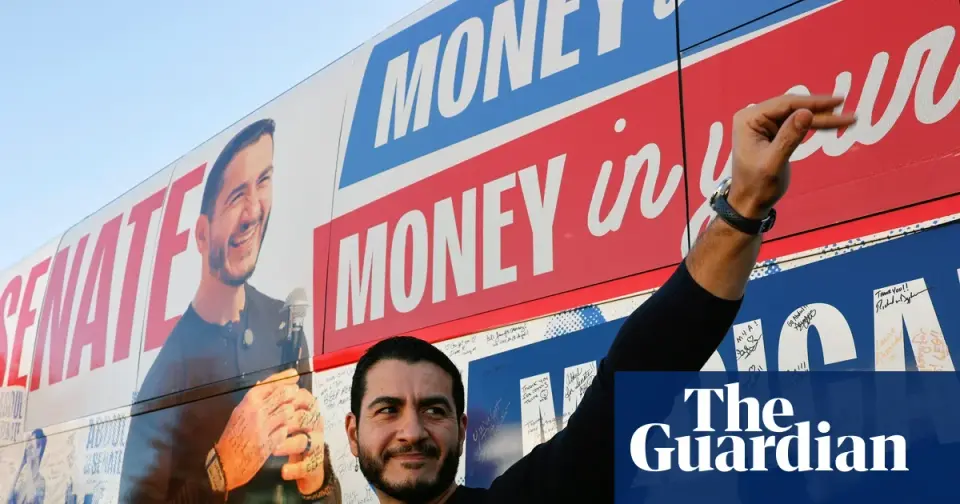
CBS chief legal correspondent Jan Crawford deleted a social media post mocking Democratic Michigan Senate candidate Abdul El-Sayed and issued an apology, citing a violation of network standards. The post praised a heckler who questioned El-Sayed about the Muslim Brotherhood, describing his response as a 'spectacular self own.' The incident triggered significant internal backlash at CBS and criticism from media figures, occurring amid heightened scrutiny of the network's editorial direction following the appointment of Bari Weiss as editor-in-chief.
Key points
- Jan Crawford, CBS’s chief legal correspondent, deleted a post on X that praised a man named Tommy for questioning Abdul El-Sayed about the Muslim Brotherhood during a town hall.
- Crawford described El-Sayed’s response as a 'nanosecond' admission and a 'spectacular self own,' language that drew criticism for being inappropriate for a legal correspondent.
- Crawford apologized on Sunday, stating the deleted post was a violation of CBS News standards.
- The backlash included internal criticism at CBS and public comments from journalists and commentators accusing Crawford of spreading false or racist narratives.
- The incident occurs as CBS faces scrutiny over political bias following the October 2025 appointment of Bari Weiss as editor-in-chief, a move linked to Paramount Skydance’s acquisition of The Free Press.
Background
This incident follows earlier coverage of tensions at CBS News regarding its shift toward opinion-driven content under new leadership. Recent archive notes highlight concerns about the network's neutrality, particularly after the appointment of Bari Weiss, who has encouraged a more opinionated approach. This contrasts with traditional journalistic standards and has led to discussions about the roles of veteran reporters like Jan Crawford, who may face decisions about continuing in reporting or pivoting to commentary.
Why it matters
The incident underscores ongoing debates about the boundaries between news reporting and opinion commentary within major broadcast networks. It highlights the risks of political bias in journalism, particularly during election cycles, and reflects the broader challenges CBS faces in maintaining credibility amid leadership changes and corporate acquisitions.
What to watch
CBS may face further scrutiny regarding its editorial standards and the roles of its correspondents. The network may need to address internal concerns about political bias and ensure that its staff adhere to neutral reporting practices, especially as the 2026 midterms approach.
Want the full story? Read the original reporting
Read on The Guardian