
Education Secretary McMahon Sends Open Letter to Universities, Ditching Failed Compact Strategy
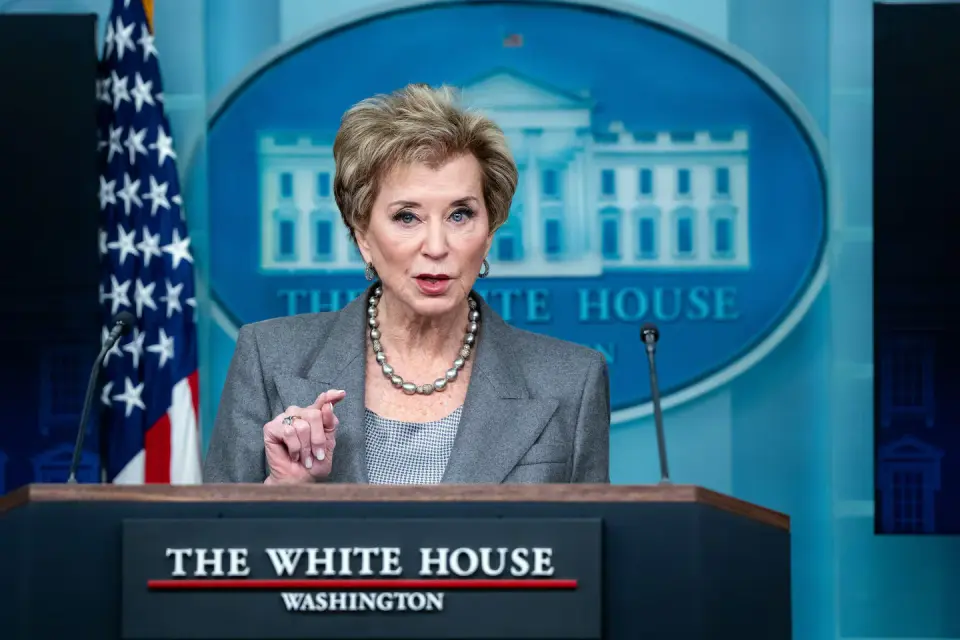
The Trump administration has shifted tactics in its effort to reshape higher education, moving from a rejected 'compact' to an open letter demanding public commitments from universities by the end of 2026. Education Secretary Linda McMahon’s new approach avoids specific regulatory mandates but asks institutions to address grade inflation, tuition transparency, and faculty diversity. This follows the failure of last year’s compact, which offered research funding in exchange for policy alignment but was widely rejected, including by MIT.
Key points
- Education Secretary Linda McMahon sent an open letter to all postsecondary institutions on August 3, 2026, requesting public statements of commitment and planned changes by the end of the year.
- The letter asks universities to address academic standards, admissions procedures, tuition costs, grade inflation, and foreign donations, as well as to hire faculty of 'all relevant perspectives.'
- This new approach is a departure from last year’s 'compact,' which dangled easier access to research funding and federal contracts in exchange for embracing the administration’s agenda but was widely rejected.
- The new letter does not include controversial provisions from the compact, such as a 15% cap on international undergraduate enrollment or a five-year tuition freeze, nor does it offer specific incentives.
- MIT publicly rejected the previous compact, arguing its provisions would restrict freedom of expression and institutional independence.
Background
This development follows a series of tensions between the Trump administration and higher education institutions in 2026. In July, West Point faced a First Amendment challenge over new faculty speech rules, highlighting ongoing conflicts over academic freedom. The administration’s previous attempt to influence universities through a 'compact' in late 2025 failed, with many institutions, including MIT, refusing to sign due to concerns over autonomy and expression. The current open letter represents a softer, more public-facing strategy to achieve similar policy goals without direct regulatory mandates or financial incentives.
How outlets are covering it
The New York Times emphasizes the shift from the failed 'compact' to a new open letter, noting that the administration is avoiding specific legal mandates and controversial asks like transgender protections. Politico highlights the similarities between the new letter and the rejected compact, while noting the absence of incentives and specific caps on international enrollment. Both outlets agree that the new approach is less restrictive but still seeks to align university policies with the administration’s agenda. The Boston Globe’s primary source, while largely obscured by technical code, confirms the administration’s new inquiry to MIT and other universities, aligning with the secondary sources' reporting on the open letter and its demands.
Why it matters
This move signals a continued effort by the Trump administration to influence higher education policy without direct regulatory action, potentially setting a precedent for public accountability and policy alignment in universities. The failure of the previous compact and the new open letter reflect the administration’s struggle to achieve its goals in higher education, with potential implications for academic freedom, institutional autonomy, and the future of federal-university relations.
What to watch
Universities are expected to respond to the open letter by the end of 2026, with some potentially posting public statements of commitment on their websites. The administration’s response to non-participation or the content of these statements will be a key indicator of the effectiveness of this new strategy. Further developments may include legal challenges or public debates over the administration’s demands, particularly regarding faculty hiring and academic standards.
- Trump administration asks universities, including MIT, to issue public pledges by end of 2026 The Boston Globe
- After Colleges Reject ‘Compact,’ Trump Officials Try a Letter The New York Times
- Trump administration asks colleges to commit to education overhaul Politico
- McMahon Asks US Colleges to Pledge Campus Reforms by End of 2026 Bloomberg.com
- Trump administrator asks colleges to agree to reforms. Penn is a member of the group that helped draft them. Inquirer.com
Want the full story? Read the original reporting
Read on The Boston Globe