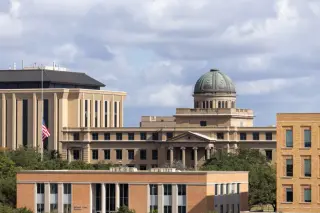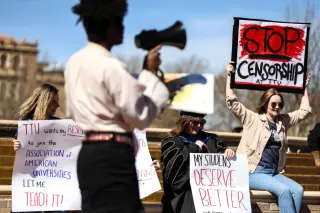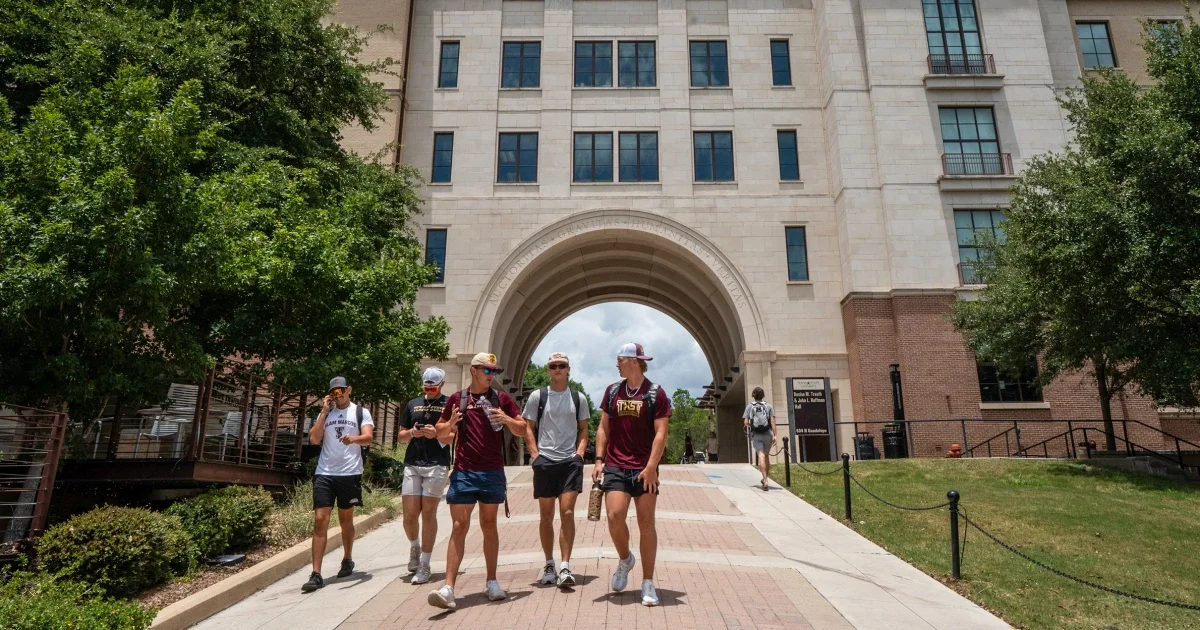
Four Texas A&M professors and the AAUP filed a federal lawsuit to block the system’s restrictions on teaching about race, gender and sexuality in core courses, arguing the policy violates the First Amendment and is vague, and seeking reinstatement of canceled courses.
Two STAT editors critique the American Diabetes Association after security ousted five attendees who distributed an op-ed at a major meeting, arguing the move undermines editorial independence and chilling dialogue. They call for resignations, a full investigation, and restoration of editorial independence, noting ADA’s past defense of scientific integrity and warning against prioritizing funding pressures over free, evidence-based discussion.
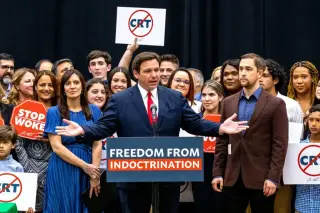
A federal appeals court (11th Circuit) ruled 2-1 that parts of Florida's Stop WOKE Act unlawfully chill academic speech by restricting what public university professors can discuss about race, gender and bias, upholding an injunction against enforcement and signaling First Amendment limits on the law’s reach in higher education. The decision follows years of controversy over DEI and anti-woke legislation; Florida may seek full-court rehearing or Supreme Court review. The ACLU praised the ruling as a win for academic freedom.
Rutgers University canceled its invitation for alumnus Rami Elghandour to speak at a School of Engineering graduation after some students criticized his social-media posts about Palestine; the university said the decision was to keep the focus on the graduates and avoid forcing them to endorse a speaker, while Elghandour argues the move undermines free speech amid broader nationwide disputes over pro-Palestinian remarks at commencements.
The AAUP and AFT defend University of Michigan Professor Derek Peterson’s academic freedom after remarks at the university’s commencement, condemning political pressure and threats of discipline; they warn of a chilling effect on faculty speech and urge UM leadership to affirm no disciplinary action and recommit to academic freedom and shared governance.
Rumeysa Ozturk, a Tufts PhD candidate targeted in Trump-era deportation efforts over pro-Palestinian advocacy, has returned to Turkey after a year-long legal fight and ICE detention episodes. A settlement with the DHS allowed her to leave the United States without further interference, with officials acknowledging she was in the country legally. The case, seen as part of a broader push against foreign scholars who advocate for Palestine, drew scrutiny from the ACLU and civil rights groups who say protest and op-ed writing are protected by the First Amendment. Ozturk said she plans to continue her scholarship in Turkey and expressed solidarity with other academics facing similar pressures.
Texas Tech University System’s chancellor ordered phaseouts of programs centered on sexual orientation and gender identity, froze admissions and majors, and restricted course content and research, with enrolled students allowed to finish degrees; the move, framed as aligning curricula with job-focused degrees and First Amendment protections, drew criticism from faculty and civil rights groups who warn it undermines academic freedom and comprehensive education.
Public universities across Texas are reviewing course materials under a new law giving regents more control over teaching, prompting protests at Texas Tech and Texas A&M over censorship of works by gay authors and discussions of race and gender; other campuses like the University of Houston and UT systems are restructuring or reviewing DEI-related programs, fueling a debate over academic freedom, educational quality, and potential impacts on student learning and university recruitment.
Texas State University philosophy professor Idris Robinson, a tenure-track faculty member, is suing university officials after they informed him his contract would be terminated following complaints about an off-campus talk on the Israeli-Palestinian conflict. The talk, held in Asheville, NC in 2024 and not linked to the university, led to online harassment and administrative actions; Robinson alleges his First and Fourteenth Amendment rights were violated and seeks a temporary restraining order, underscoring tensions around academic freedom and off-campus speech.
An assistant professor at Texas State University filed a federal lawsuit alleging his First Amendment rights were violated after being placed on administrative leave and facing non-renewal tied to a private 2024 pro-Palestinian talk; he seeks an injunction to prevent termination and to keep his job through May 31, 2026.
Philosophy professor Idris Robinson is suing Texas State University, alleging his First and Fourteenth Amendment rights were violated when the university ended his tenure-track contract after a 2024 off-campus talk about the Israeli–Palestinian conflict. The talk, held in North Carolina and not affiliated with the university, triggered a social-media campaign that led to administrative leave and a May contract termination, despite Robinson not identifying with Texas State at the event. He appeals the decision, while advocates note a broader rise in faculty discipline over Palestine-related speech. The case highlights tensions between academic freedom and campus politics, and Guardian reporting notes that some online material mischaracterizes his remarks.
White House economic adviser Kevin Hassett apologized after initially demanding discipline for authors of a New York Fed study that found tariffs have burdened U.S. businesses and consumers more than the administration acknowledged, saying the Fed’s independence and academic freedom must be preserved even as he criticized the paper.
The University of Texas System Board of Regents approved a policy to curb 'controversial topics' in courses, requiring faculty to avoid coercion, not include unrelated controversial matters in syllabi, and to follow the syllabus while promoting balanced discussion and academic integrity. While officials say the goal is to foster trust and expose students to multiple viewpoints, critics warn it could curb responses to current events, hamper inquiry, and lead to censorship, with enforcement details still unclear across 14 UT institutions. The move follows broader Texas higher-ed restrictions on curricula related to race and gender, and comes as UT Austin consolidates several ethnic- and gender-studies departments.
A federal court vacated and permanently invalidated the Department of Education’s February 2025 Dear Colleague directive that aimed to restrict DEI efforts in schools and colleges, ruling it unlawful and unenforceable nationwide. The decision preserves educators’ ability to teach about race and history and to maintain inclusive classrooms, with the NEA and ACLU-backed suit signaling a win for academic freedom and education equity.
States like Texas and Oklahoma are formalizing surveillance of professors through online syllabus postings, student-complaint tip lines, and new offices to handle grievances, prompting fears of censorship and chilling effects on academic freedom as incidents in Texas and Oklahoma illustrate the trend.