
Michigan to Hide Freshman Grades in 2027 Pilot
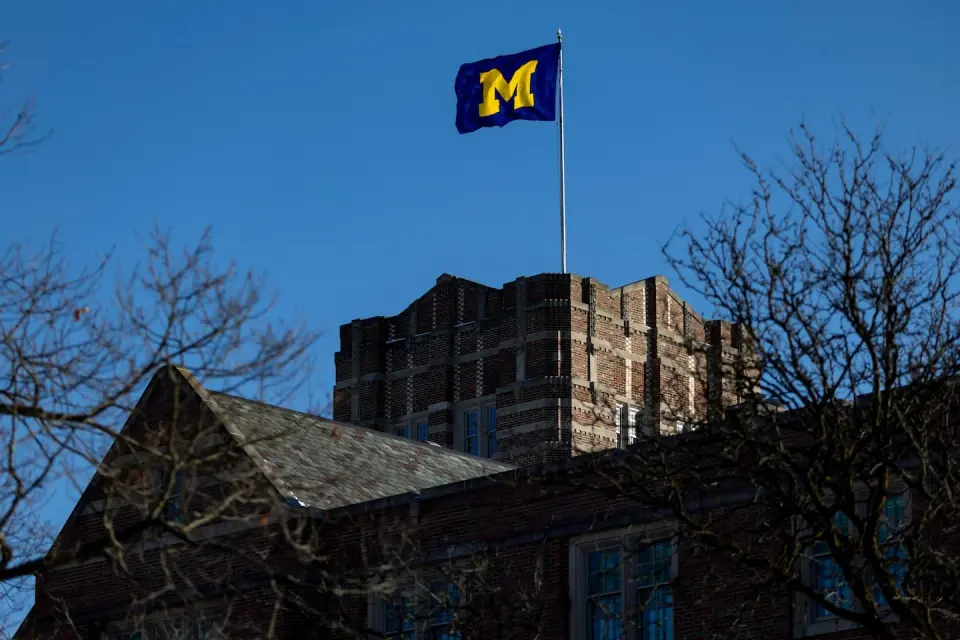
The University of Michigan will replace first-semester letter grades with pass/no-credit marks for freshmen in its College of Literature, Science and the Arts starting in fall 2027. The pilot aims to reduce stress and support mental health by allowing students to explore courses without GPA consequences. While professors will still assign grades internally, these will not appear on official transcripts. The move has sparked debate on social media, with supporters citing mental health benefits and critics questioning its impact on academic rigor.
Key points
- The University of Michigan announced a 'grade covering' pilot for first-year students in the College of Literature, Science and the Arts, effective fall 2027.
- First-semester grades will be recorded as 'pass' or 'no credit' on transcripts, excluding them from GPA calculations, though internal records will retain letter grades for compliance and honors.
- The policy applies to approximately 3,500 freshmen across 80 majors in the liberal arts college, not to other university colleges like business or engineering.
- The initiative aims to alleviate freshman stress and address the mental health crisis among college-aged individuals by encouraging academic exploration without fear of failure.
- The move has generated significant social media discussion, with some praising the mental health focus and others questioning whether it undermines academic motivation.
Background
This policy aligns with a broader national trend in higher education to prioritize student well-being. Several institutions, including the California Institute of Technology, the Massachusetts Institute of Technology, Swarthmore College, and Wellesley College, already employ similar grade-covering policies for first-year students. Recent events, such as Howard University's reinstatement of unenrolled students and Cambridge University's grade review processes, highlight ongoing institutional efforts to manage student stress and academic integrity. The University of Michigan's decision reflects a growing consensus that traditional grading systems may exacerbate mental health challenges for new students.
How outlets are covering it
The New York Times emphasizes the policy's role in easing freshmen into academic life and curbing the mental health crisis, noting that grades will not affect GPAs. ABC News highlights the support from faculty like Derek Peterson, who argues that the policy provides necessary space for students to navigate transitional pressures. Axios frames the move as a 'break' from grades, questioning whether it might reduce academic rigor, a concern the university declined to address. The Washington Post notes the policy has sparked a 'firestorm' on social media, indicating widespread public debate. While all sources agree on the policy's implementation, they differ in emphasis: some focus on mental health benefits, while others question potential impacts on academic standards.
Why it matters
The University of Michigan's grade-covering pilot represents a significant shift in higher education policy, reflecting growing concerns about student mental health and the stress associated with traditional grading systems. By removing GPA consequences for first-semester grades, the university aims to create a more supportive environment for freshmen, potentially influencing other institutions to adopt similar measures. The policy also highlights the tension between academic rigor and student well-being, a debate likely to intensify as more colleges consider alternative grading models.
What to watch
The University of Michigan expects to provide more details on the grade-covering pilot this fall, as faculty, staff, and students continue to shape the program. The policy will take effect in fall 2027 for the College of Literature, Science and the Arts. The university has not addressed concerns about potential reductions in academic motivation or rigor, leaving open questions about the long-term impact of the pilot. Other institutions may monitor the outcome before considering similar changes.
- University of Michigan plans to mask grades for new students The Washington Post
- University of Michigan Drops First-Semester Grades to ‘Curb Mental Health Crisis’ WSJ
- University of Michigan Will Ease Up on Grades for Student Mental Health The New York Times
- University of Michigan changes grade policy for some freshmen ABC News - Breaking News, Latest News and Videos
- U-M wants to give freshmen a break from grades Axios
Want the full story? Read the original reporting
Read on The Washington Post