
University of Arizona Halts All Fraternity Activities Amid Wave of Misconduct Probes
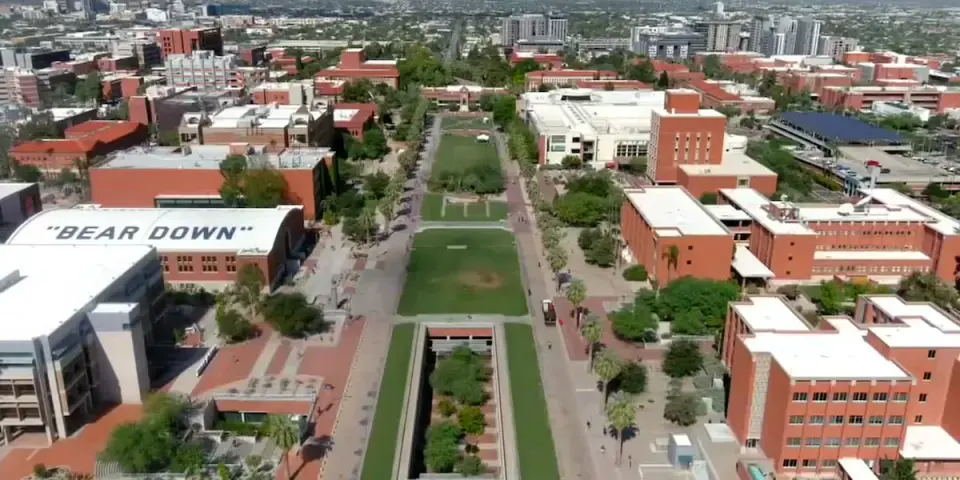
The University of Arizona has placed all 21 Interfraternity Council chapters on interim activities suspension after nearly half faced misconduct investigations. Dean of Students Chrissy Lieberman cited severe violations, including assault, drug use, and hazing, noting that some cases are under criminal review. While the suspension bans social events, chapters in good standing may resume operations after advisers attend mandatory meetings. The move follows a summer warning from President Suresh Garimella and aligns with a national surge in scrutiny regarding Greek life safety.
Key points
- Dean of Students Chrissy Lieberman issued an interim activities suspension for all 21 Interfraternity Council chapters on October 5, 2026, citing an 'egregious' number of misconduct cases.
- Investigations involve nearly half of the campus fraternities, with allegations ranging from physical assault and hazing to the use of drugs and alcohol, some of which are under criminal investigation.
- The suspension prohibits all organizational activities, allowing only business meetings, until chapter advisers attend one of three mandatory sessions scheduled between October 6 and October 12.
- Specific severe cases include Sigma Tau Gamma being accused of forcing members to swallow live goldfish, and Delta Chi facing allegations of assault, drug overdoses, and unregistered parties.
- The action follows a August 27 meeting where President Suresh Garimella warned fraternity leaders that the university would not tolerate further violations that put students in harm's way.
- The Dean of Students Office is currently at capacity for investigations, partnering with the University of Arizona Police Department to address reports from students, parents, and the community.
Background
This development occurs amid a national trend of increased scrutiny on Greek life organizations. Recent high-profile incidents, such as the reopened criminal probe into a 2024 alleged gang rape at Cornell University and the sentencing of a fraternity leader at Northern Arizona University for a hazing-related death, have intensified pressure on universities to enforce stricter conduct standards. Additionally, legislative efforts like Arizona's 2022 'Jack's Law' and the 2024 federal Stop Campus Hazing Act have mandated greater reporting and accountability for hazing incidents on college campuses.
How outlets are covering it
Arizona’s Family and KOLD News 13 emphasize the severity of the misconduct, highlighting specific allegations such as forced alcohol consumption, physical assault, and hazing that led to hospitalizations. They note that the Dean of Students Office is overwhelmed by the volume of cases. FOX 10 Phoenix provides a broader student perspective, capturing mixed reactions where some students view the suspension as a necessary precaution, while others argue that Greek life has become 'dangerous and unruly.' Some students expressed disappointment, noting that their own chapters were not involved in the alleged misconduct. Forensic psychologist John Delatorre, cited by Arizona’s Family, suggests the university’s action is a reactive measure to get ahead of public scrutiny rather than a systemic fix for Greek society. Jolayne Houtz, founder of Hazinginfo.org, supports the move, stating that community members are finally demanding action against hazing.
Why it matters
The suspension of all fraternity activities at a major public university signals a shift in institutional tolerance for Greek life misconduct. It highlights the growing legal and social pressure on higher education institutions to prioritize student safety over traditional social structures. The involvement of criminal investigations and the potential for chapter removal if advisers fail to comply with new mandates indicates that universities are moving from disciplinary measures to more severe administrative and legal consequences for organizational failures.
What to watch
Chapters in good standing will resume normal operations after their advisers attend one of the three mandatory meetings scheduled for October 6, 7, or 12. Advisers who fail to attend these meetings will have their chapters removed from good standing, jeopardizing their continuation on campus. The Dean of Students Office will continue quarterly meetings with advisers and will partner with the University of Arizona Police Department to complete ongoing investigations. Some cases may result in criminal charges, while others will lead to disciplinary actions such as fines or suspensions.
- 6 University of Arizona fraternities suspended immediately amid misconduct probe AZ Family
- University of Arizona Suspends Fraternity Activities, Citing Misconduct Reports The New York Times
- U of A fraternity activities frozen as dean of students launches misconduct probe FOX 10 Phoenix
- Misconduct probes prompt suspension of all University of Arizona fraternities 12News
- University of Arizona suspends six fraternities, pauses activities for almost all others KOLD
Want the full story? Read the original reporting
Read on AZ Family