
Audit reveals postal ballot handling flaws amid Supreme Court vote
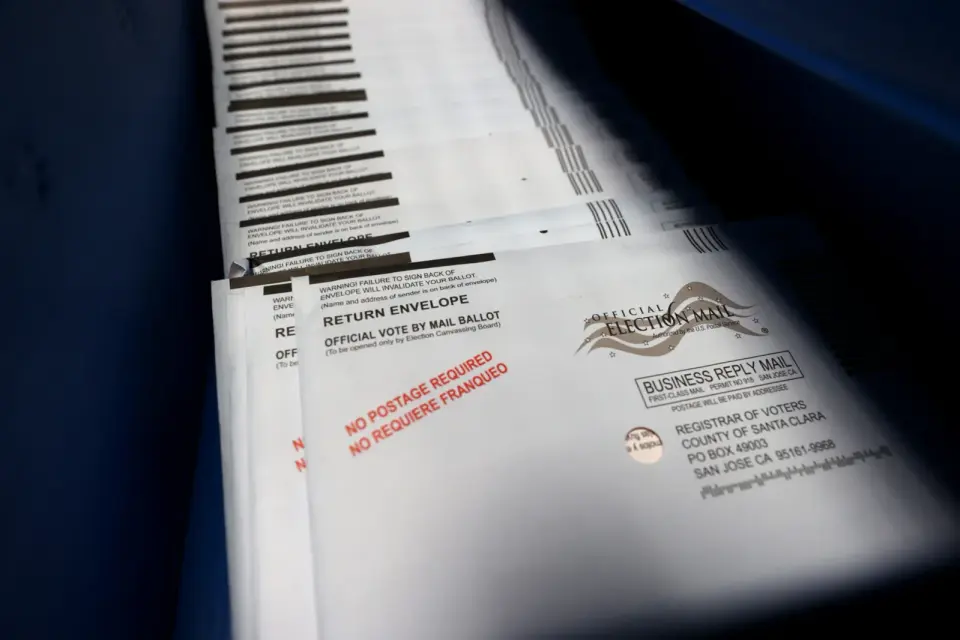
A new audit by the U.S. Postal Service Office of Inspector General found that some facilities failed to properly handle primary election ballots, citing training gaps and tracking errors. While nearly 99% of tracked ballots were processed on time, specific procedural failures risked incorrect postmarks and late arrivals. These findings occur as the Supreme Court considers new mail voting rules that require the Postal Service to manage voter lists, raising concerns about the agency's capacity for the November midterms.
Key points
- The audit, dated September 4, identified a lack of training at 30% of delivery units and tracking deficiencies across eight states.
- In 12% of facilities, management was unaware of proper postmarking procedures, leading to errors like 56 ballots in Pennsylvania receiving wrong dates.
- Nearly 99% of the 6.3 million tracked ballots were processed on time, up from 98% in 2024, though the definition of 'on time' refers to postal handling, not final delivery.
- Critics argue the audit proves the Postal Service cannot handle new, complex rules tied to a March executive order requiring state-provided voter lists.
- The Postal Service acknowledged the findings but called many errors 'isolated incidents,' promising to reinforce internal procedures before November.
Background
This audit follows earlier reports in our archive regarding the Federal Ballot Mail Portal and a whistleblower's warning that rushed development could trigger widespread ballot rejections under a strict zero-error policy. Previous coverage noted that the Supreme Court allowed some steps of the new mail voting rules to proceed, despite lawsuits alleging unconstitutionality. The current audit adds to concerns that the Postal Service may struggle to implement these new mandates effectively, particularly as mail ballots begin going out for the November election.
How outlets are covering it
ProPublica emphasizes that the audit highlights systemic procedural gaps, with experts like David Becker arguing the agency is incapable of meeting new responsibilities. The Postal Service defends its performance, citing the 99% on-time processing rate and labeling errors as isolated. The Public Policy Institute of California provides a different angle, noting that while postal changes like Regional Transportation Optimization increased late ballot rejection rates in California, they do not explain the majority of the rise, which is more strongly correlated with younger voters mailing ballots later. While ProPublica focuses on federal policy failures, PPIC highlights demographic and geographic factors in late arrivals, suggesting that while postal issues exist, voter behavior and other variables also play significant roles.
Why it matters
The audit findings provide concrete evidence for opponents of new mail voting rules, suggesting the Postal Service may not be ready for the expanded responsibilities mandated by the Supreme Court. If the agency cannot consistently handle basic postmarking and tracking, the risk of disenfranchisement through late or rejected ballots increases significantly for the November midterms, potentially affecting millions of voters.
What to watch
The Supreme Court is expected to rule on whether the Postal Service can fully implement the new mail voting rules. The Postal Service has agreed to most audit recommendations, except for one regarding customer notifications for transportation changes. State election officials are urging voters to mail ballots early or use in-person options to avoid potential delays, while the Postal Service promises to reinforce internal procedures before the November election.
- U.S. Postal Service Failed to Properly Handle Some Ballots During This Year’s Primary Elections, Audit Finds ProPublica
- Ballots discounted for late postmarks surged in Washington and Oregon after Postal Service changes PBS
- Map Shows Rise in Rejected Mail Ballots by Trump, Harris Counties Newsweek
- Washington leaders claim new USPS rules led to rise in rejected mail-in ballots KOIN.com
- Understanding Increases in Late Vote-by-Mail Ballots in California Public Policy Institute of California
Want the full story? Read the original reporting
Read on ProPublica