
Army Proceeds with Iowa Lead Detonation Amid Health Fears and Legal Disputes
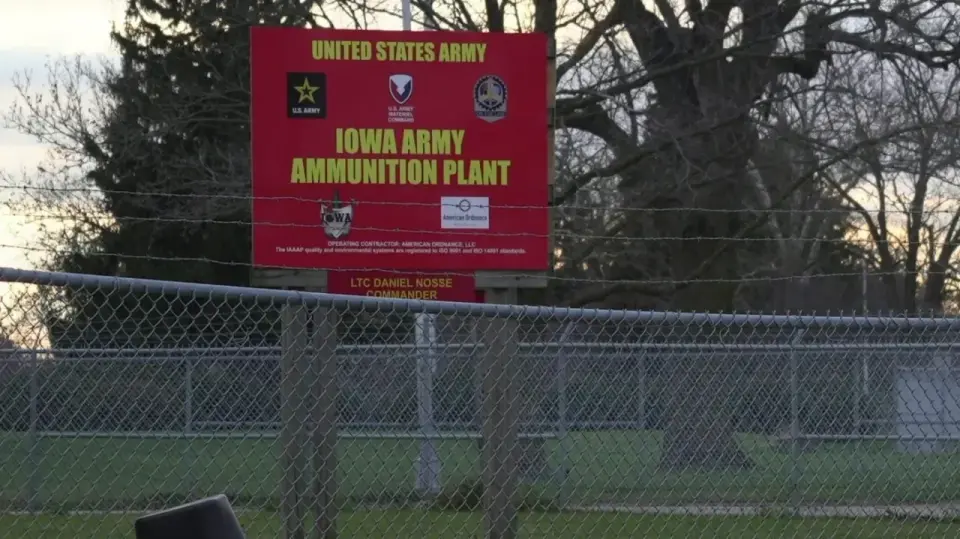
The U.S. Army is set to detonate nearly five tons of unstable lead azide at the Iowa Army Ammunition Plant in Middletown on Wednesday, November 25. Officials state the material is too volatile to transport due to crystallization risks in freezing temperatures, making a controlled blast the only safe option. However, the operation has sparked significant controversy, with health agencies warning of toxic lead exposure for vulnerable populations and environmental groups challenging the decision in court. While a federal appeals court lifted a stay on the Environmental Protection Agency’s permit, critics argue that the risks to local communities outweigh the benefits of the controlled explosion.
Key points
- The Army plans to detonate 68 barrels of lead azide at the Iowa Army Ammunition Plant in Middletown on Wednesday, November 25, at 9 a.m. Central time.
- HHS officials advise pregnant women, children under six, and those with chronic illnesses to evacuate the directly affected area, while others nearby should shelter in place.
- The material has degraded and recrystallized, creating a risk of spontaneous explosion, particularly as winter temperatures drop, according to Army officials.
- The EPA issued a permit on November 13 authorizing the controlled detonation to mitigate the imminent threat to the surrounding community.
- Environmental groups, including the Sierra Club and Iowa Environmental Council, filed emergency motions to halt the blast, arguing it poses significant health risks from lead exposure.
- The American Lung Association urges residents to stay indoors for 24-48 hours after the detonation and to take precautions to prevent lead dust from entering homes.
Background
The Iowa Army Ammunition Plant, a World War II-era facility spanning nearly 19,000 acres, has stored lead azide for decades. The material’s long-term storage allowed it to recrystallize, making it vulnerable to spontaneous detonation. The Army notified the EPA of the degraded material in March 2026 and explored treatment alternatives, including chemical neutralization, before opting for detonation. The operation has been delayed multiple times, from November 20 to November 25, to allow for optimal weather conditions and mitigation measures.
How outlets are covering it
The Army and federal officials argue that a controlled detonation is the only safe method to manage the explosive hazard, citing the risk of an uncontrolled explosion due to the material’s instability. They emphasize that the operation is timed for favorable weather and includes public notifications and monitoring. In contrast, environmental groups and local residents argue that the blast poses significant health risks, particularly for vulnerable populations, and that alternatives like chemical neutralization were not adequately reviewed. The American Lung Association urges the Army to delay the detonation and better communicate exposure levels and health impacts to residents. The EPA’s permit authorizes the detonation but includes requirements for monitoring and cleanup, which critics argue are insufficient to protect the public.
Why it matters
The detonation highlights the tension between military safety protocols and public health concerns. Lead is a neurotoxin with no safe level of exposure, and the potential for lead dust to spread into neighboring communities raises serious health risks, particularly for children and pregnant women. The legal and public disputes over the operation underscore the challenges of balancing immediate safety risks with long-term environmental and health impacts. The outcome will have implications for how the military manages hazardous materials and engages with local communities in similar situations.
What to watch
The Army is scheduled to detonate the lead azide on Wednesday, November 25, at 9 a.m. Central time. Residents in the directly affected area are advised to evacuate, while others nearby should shelter in place and follow health guidelines to minimize exposure. Post-detonation, officials will monitor air quality and lead levels, and cleanup efforts will be conducted to mitigate the impact of lead dust on the environment and public health. The legal challenges may continue, with environmental groups potentially seeking further review of the EPA’s permit and the Army’s decision-making process.
- Pregnant women, children, chronically ill people should evacuate ahead of Iowa lead detonation: HHS official The Hill
- Warning signs at Iowa plant emerged months before Army says it knew, emails show The Washington Post
- Maps: Tracking the Iowa Ammunition Plant Detonation The New York Times
- URGENT: American Lung Association Offers Health Guidance for Residents Near Lead Azide Detonation Zone American Lung Association
- US Army to detonate explosives in Iowa on Wednesday after court green-lights plan CNN
Want the full story? Read the original reporting
Read on The Hill