
Senate Democrats Split as BAAJA Permitting Bill Nears Final Vote
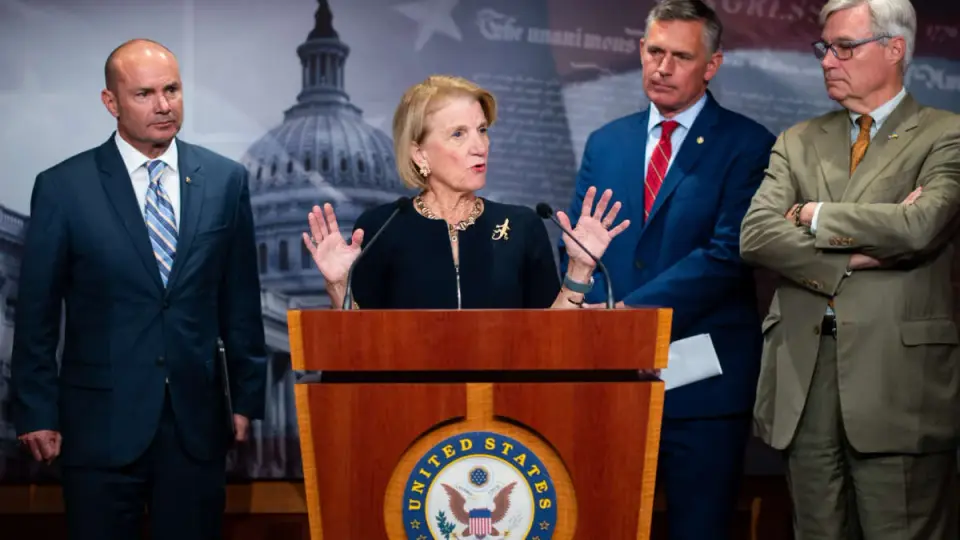
The Senate voted 70-27 to end debate on the Bipartisan American Affordability and Jobs Act (BAAJA), a sweeping permitting reform bill backed by 21 Democrats and President Trump. The legislation aims to speed approvals for energy, mining, and data center projects while weakening environmental review processes. While supporters argue it will lower electricity costs and boost clean energy transmission, critics warn it locks in fossil fuel infrastructure and undermines public participation. The bill faces significant opposition in the House and from environmental groups before a potential final Senate vote this week.
Key points
- Senate voted 70-27 to invoke cloture on BAAJA, setting the stage for a final passage vote before Thanksgiving.
- 21 Democratic senators supported the procedural vote, including key figures like Chuck Schumer, Martin Heinrich, and Sheldon Whitehouse.
- The bill would speed federal approvals for pipelines, mines, and data centers while limiting challenges under the Clean Water Act, Endangered Species Act, and NEPA.
- Section 1401 makes permits difficult to revoke, protecting projects from future administrative changes, a provision praised by clean energy advocates but criticized by environmental groups.
- President Trump has vowed to sign the bill but also stated he will continue to block wind turbine approvals, creating uncertainty about the bill's climate impact.
- The Rhodium Group estimates BAAJA could reduce household electricity bills by $50 to $78 monthly by 2040, though critics dispute this due to unmodeled fossil fuel expansion.
Background
This vote follows a contentious legislative process where BAAJA was previously advanced by a 73-25 vote. The bill has been described as the largest rewrite of federal permitting rules in a generation. Recent context includes growing public backlash against data center energy consumption and tax credits, as well as Democratic midterm victories that emphasized energy affordability and environmental accountability. The current vote occurs as Democrats prepare to take control of Congress in January, creating a race to pass the bill before the new session begins.
How outlets are covering it
Supporters, including Senators Whitehouse and Heinrich, argue BAAJA will 'juice the clean energy economy' by accelerating transmission line construction, which currently takes over a decade. They contend the bill forces data centers to pay for grid upgrades and lowers costs for consumers. The Hill notes that the Rhodium Group projects significant bill savings. Conversely, critics like the Sierra Club and NRDC argue the bill acts as a 'kill switch' for climate action. The New York Times editorial warns that the bill gives President Trump more power to favor fossil fuels and lock in projects on public lands. Inside Climate News highlights a fundamental disagreement: while some see the permit durability clause as protecting wind farms from future rollbacks, others argue it will primarily protect fossil fuel infrastructure from future environmental enforcement. Environmental groups and the Congressional Progressive Caucus oppose the bill, citing risks to tribal sovereignty and public health, while labor unions like the AFL-CIO support it for job creation.
Why it matters
The passage of BAAJA would fundamentally alter the balance of power between federal agencies, states, and private developers in energy infrastructure. By making permits nearly irreversible, the bill could lock in the current administration's energy priorities for years, regardless of future political shifts. This has significant implications for the pace of the clean energy transition, the protection of environmental and historic sites, and the long-term cost of electricity for American households. The outcome also tests the ability of the incoming Democratic Congress to reverse or amend major energy policies passed in the lame-duck session.
What to watch
The Senate is expected to vote on final passage of BAAJA before the Thanksgiving recess. If passed, the bill will move to the House, where it faces opposition from several Democratic lawmakers, including the Congressional Progressive Caucus. House Minority Leader Hakeem Jeffries has called for changes, and Energy and Commerce Committee Chair Brett Guthrie has requested modifications for grid reliability. President Trump has indicated he will sign the bill if it reaches his desk. Senators are currently negotiating amendments, particularly regarding the National Historic Preservation Act, following threats from Senator Catherine Cortez Masto to oppose final passage if those provisions are not removed.
- 21 Dem Senators Join GOP to Move Forward Bill to Speed Up Data Center Permits Truthout
- Opinion | Alarm Over an Energy Bill’s Threat to America’s Environment The New York Times
- The New Rules of Permitting Inside Climate News
- Senate takes big step toward passing permitting reform package The Hill
- A plan to end America’s most expensive bottleneck The Economist
Want the full story? Read the original reporting
Read on Truthout