
Federal Court Halts Army’s Plan to Detonate Unstable Lead Azide in Iowa
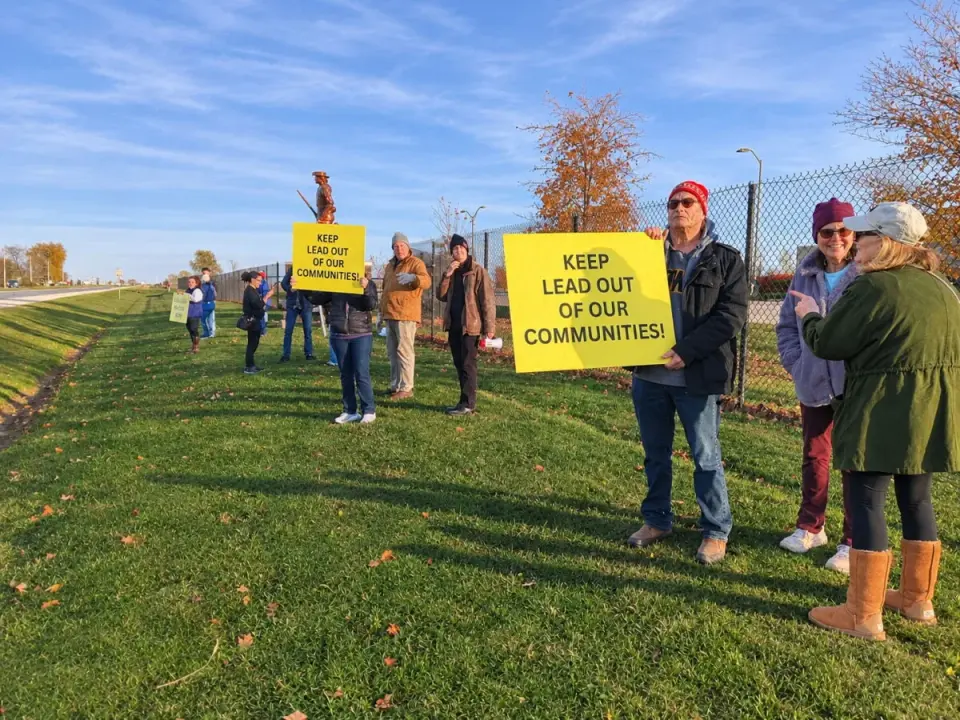
A federal appeals court has stayed the U.S. Environmental Protection Agency’s emergency permit, halting the Army’s plan to detonate 68 drums of unstable lead azide in Iowa. The operation, originally scheduled for November 20 and postponed to November 23, faces legal challenges from environmental groups citing inadequate public notice and unexplored alternatives. While the Army argues the material is too volatile to transport, critics demand safer disposal methods and transparent risk assessments.
Key points
- The 8th U.S. Circuit Court of Appeals granted a stay on the EPA’s emergency permit, blocking the detonation of approximately 9,700 pounds of lead azide.
- The Army postponed the blast from November 20 to November 23 due to public outcry and a forecasted temperature drop that could further destabilize the chemicals.
- Environmental groups, represented by Earthjustice, argue that safer alternatives were not fully considered and that the public was inadequately informed about potential health risks.
- The Justice Department contends the Army can proceed without a permit under emergency regulations if there is an immediate threat to safety, a standard the court must now evaluate.
- Residents in Middletown and surrounding areas face potential exposure to toxic lead dust, soil contamination, and structural damage from the blast.
Background
In March 2026, staff at the Iowa Army Ammunition Plant discovered dozens of barrels of degraded lead azide. The material had crystallized due to water evaporation, making it highly sensitive to friction or movement. The Army determined that transporting the drums posed an unacceptable risk of accidental detonation, leading to the decision to destroy the material in place. An emergency permit was approved by the EPA in November, allowing detonation between November 13, 2026, and February 11, 2027. Previous coverage noted that the Army had planned the initial blast for November 20 but delayed it after facing pressure from elected officials and environmental lawsuits.
How outlets are covering it
The U.S. Army and EPA maintain that the lead azide is extremely unstable and poses an imminent threat, justifying the emergency permit and the need for immediate detonation. Acting Army Secretary Adam Telle emphasized that moving the material could trigger an accidental explosion, making a controlled blast the safest option. Conversely, environmental groups and local residents argue that the Army failed to adequately inform the public and did not fully explore safer alternatives. Michael Schmidt of the Iowa Environmental Council criticized the lack of transparency, while residents like Lucy Giehl expressed concern over unaddressed health risks. The New York Times highlighted the Justice Department’s stance that the Army can bypass the permit under emergency conditions, whereas CNN focused on the potential for long-term soil contamination and the public’s distrust of federal assurances.
Why it matters
This case highlights the tension between military emergency protocols and environmental safety standards. The potential release of toxic lead dust could have long-term health and environmental consequences for communities in southeast Iowa. The legal battle over the emergency permit sets a precedent for how agencies handle hazardous materials when public safety and environmental concerns conflict. The outcome will determine whether the Army can proceed with the detonation or must seek alternative disposal methods, impacting future handling of unstable munitions.
What to watch
The 8th U.S. Circuit Court of Appeals is expected to issue a ruling or schedule a hearing before the Army’s planned detonation date of November 23. The EPA has indicated it will file a response by November 22, arguing that the Army can proceed without a permit under emergency regulations. If the court upholds the stay, the Army may need to delay the operation further or seek alternative disposal methods. Residents in the affected area will continue to monitor for potential lead exposure and soil contamination, while environmental groups may push for independent monitoring and greater transparency in future operations.
- Court stay prevents US Army from detonating bomb-making chemicals in Iowa AP News
- Trump Administration Says Army Can Blow Up Lead-Laced Explosives The New York Times
- Gov. Mike Kehoe says Missouri is prepared for Iowa's ammunition detonation KOMU 8
- Judge halts Army’s plan to detonate 5 tons of bomb-making material as Iowa residents worry about lead exposure CNN
- Gov. Reynolds activates State Emergency Operations Center ahead of planned lead azide detonation KWQC
Want the full story? Read the original reporting
Read on AP News