
FWS Memo Reinterprets Endangered Species Act to Ignore Accidental Deaths
The US Fish and Wildlife Service has issued a memo reinterpreting the Endangered Species Act to exclude accidental deaths of protected animals, effectively nullating habitat protections. This move, based on a 1995 Supreme Court dissent, allows landowners to harm species if the action was not specifically intended to kill them, sparking legal challenges and conservationist outrage.
Key points
- A September 14 memo from FWS Director Brian Nesvik instructs staff to only prohibit actions specifically intended to target an animal, ignoring incidental deaths.
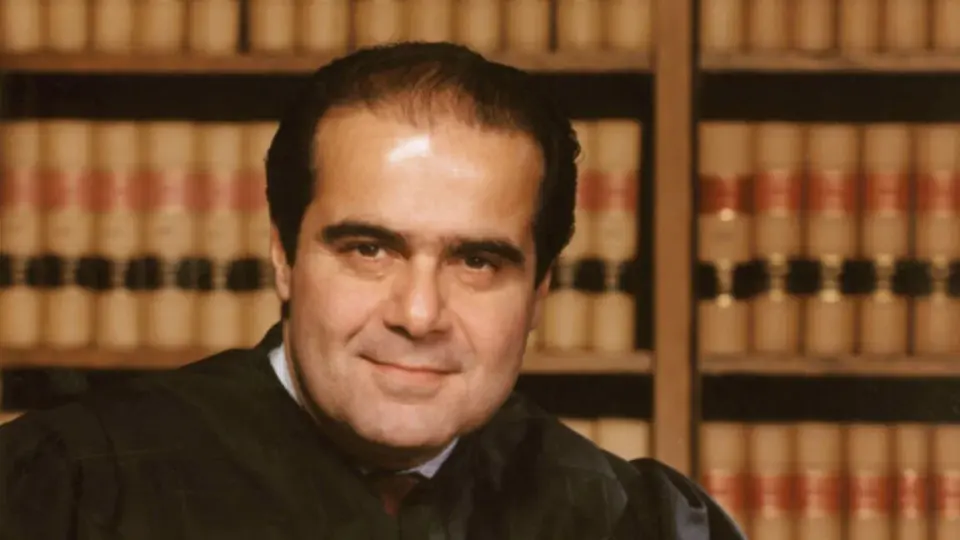
- The policy aligns with Justice Antonin Scalia’s 1995 dissent, which argued the Act should not cover habitat modification or accidental harm.
- The change follows an earlier rule that removed habitat destruction from the definition of harm, creating a two-step erosion of protections.
- Environmental advocates argue this guts the Act by allowing preventable deaths, while the administration claims it corrects regulatory overreach.
- Twenty-one attorneys general have already filed lawsuits challenging recent ESA rollbacks, and legal experts dispute the new interpretation.
Background
This development follows a series of recent executive orders and rule changes aimed at weakening environmental protections. In early September 2026, the administration moved to delist gray wolves and loosen critical habitat rules, prompting lawsuits from Democratic attorneys general. The current memo represents the latest step in a broader strategy to prioritize private landowner interests over species conservation, building on previous attempts to narrow the definition of harm under the Act.
Why it matters
The reinterpretation of the Endangered Species Act could fundamentally alter how federal agencies enforce wildlife protections. By excluding accidental deaths, the policy may allow industries to proceed with activities that destroy critical habitats without requiring environmental reviews or conservation offsets, potentially leading to the extinction of vulnerable species and setting a precedent for future environmental legislation.
What to watch
The administration faces ongoing litigation from a coalition of 21 attorneys general and environmental groups. Legal experts expect the FWS to struggle in defending the new interpretation in court, as previous rulings have supported the broader reading of the Act. The outcome of these legal battles will determine whether the new policy stands or is reversed.
Want the full story? Read the original reporting
Read on arstechnica.com