
Army to Detonate 9,700 Pounds of Unstable Lead Azide in Iowa Amid Public Health Concerns
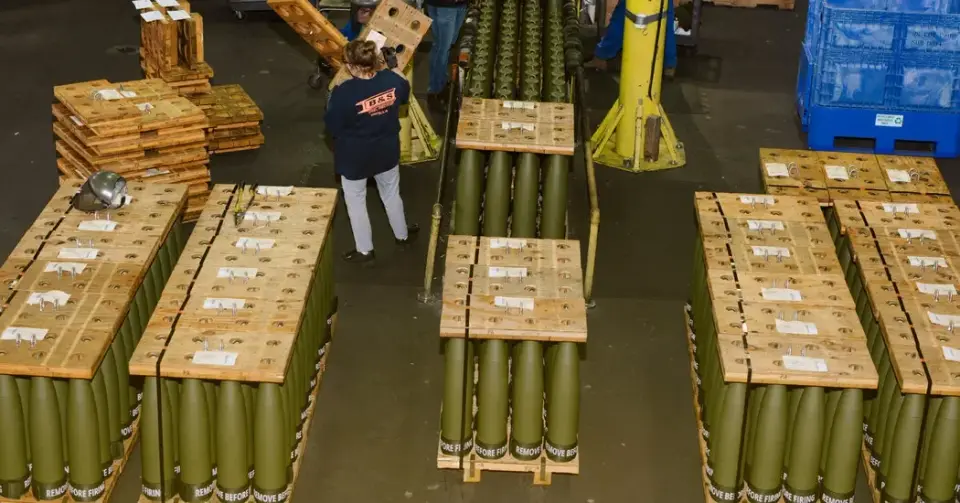
The U.S. Army is scheduled to detonate 68 barrels of degraded lead azide at the Iowa Army Ammunition Plant in Middletown on Friday, November 20. The material, which has been stored for over 20 years, became unstable after water evaporation caused it to crystallize, making transport too risky. Officials have ordered evacuations for nearby residents and warned of a potential toxic lead dust plume that could travel up to 60 miles, raising significant public health concerns, particularly for children.
Key points
- The detonation involves approximately 9,700 pounds of lead azide, a primary explosive used in munitions, which has become highly volatile due to recrystallization.
- The Army determined that moving the material posed an unacceptable risk of accidental, fatal detonation, leading to the decision to destroy it in place.
- Residents in the Middletown City Park neighborhood were ordered to evacuate from 8 a.m. to 2 p.m. on Friday due to risks of window breakage and lead exposure.
- The EPA approved an emergency permit for the detonation, requiring the Army to implement mitigation measures such as soil wetting and air sampling.
- Public health experts warn that lead is a neurotoxin, posing significant risks to children and pregnant women, and have called for independent monitoring of air and soil quality.
Background
The Iowa Army Ammunition Plant in Middletown, Iowa, has been storing lead azide in underground concrete tanks for over 20 years. Earlier this year, a routine check revealed that the material was degrading, with water evaporation causing it to crystallize and become more sensitive to friction and shock. The Army had previously explored chemical neutralization but deemed it too risky due to the prolonged handling required. This is the first time such a large-scale detonation of lead azide has been conducted in the U.S., raising concerns about setting a precedent for future operations.
How outlets are covering it
The New York Times emphasizes the potential for a toxic lead dust plume to travel up to 60 miles, highlighting the neurotoxic risks for children and pregnant women. Iowa Public Radio provides detailed safety tips and public health recommendations, noting that the plume maps were updated to show a smaller hazardous zone than initially feared. ABC News focuses on the logistical aspects of the detonation, including the use of concrete magazines and sand barriers to contain the blast. CNN highlights the lack of advance notice for surrounding communities, with officials in Mediapolis learning of their potential exposure only when the plume map was released. The University of Iowa’s public health experts are monitoring air and soil quality, while local lawmakers and residents have called for more information and independent reviews of the plan.
Why it matters
The detonation raises significant concerns about environmental contamination and public health, particularly for vulnerable populations such as children and pregnant women. The potential for lead dust to settle on neighborhoods, rivers, and farmland could have long-term consequences, and the lack of precedent for such a large-scale detonation in the U.S. adds to the uncertainty. The situation also highlights the challenges of managing unstable military materials and the importance of transparent communication with affected communities.
What to watch
The Army will continue to update plume maps and monitor air and soil quality after the detonation. The University of Iowa’s public health experts will analyze initial readings to determine if further monitoring is necessary. Residents are advised to follow the Army’s recommendations, including staying indoors and keeping windows and doors closed, and to consider testing their blood lead levels if they are concerned about exposure. The EPA and the Iowa Department of Natural Resources will oversee long-term testing of soil, groundwater, and surface runoff at the site and along its boundary.
- U.S. Army to Blow Up Old Ammo, Creating Toxic Cloud Over Iowa The New York Times
- Army releases new maps showing potential locations of lead exposure during Friday's controlled detonation WQAD
- What public health experts say about Friday's lead azide detonation Iowa Public Radio
- What to know as nearly 10,000 pounds of lead azide to be detonated at Army plant, causing lead dust plume ABC News - Breaking News, Latest News and Videos
- Iowans brace for a lead dust cloud as Army plans to detonate 5 tons of bomb-making chemicals CNN
Want the full story? Read the original reporting
Read on The New York Times