
Army to Proceed with Iowa Lead Azide Detonation Despite Court Stay
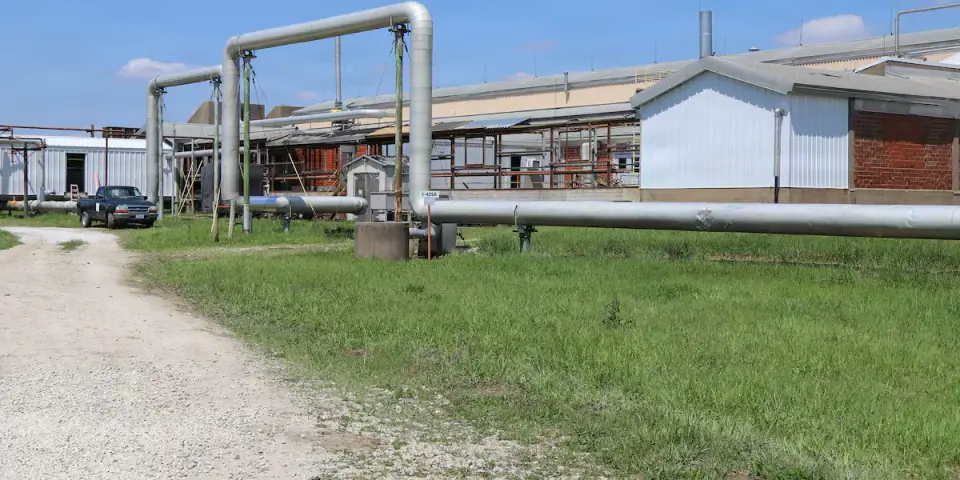
The U.S. Army intends to detonate nearly five tons of unstable lead azide at the Iowa Army Ammunition Plant by November 24, citing an 'immediate threat' from dropping temperatures. Although the Eighth Circuit Court of Appeals issued a stay on the EPA's emergency permit, the Army plans to invoke emergency exemptions to proceed. The blast, originally delayed from Friday to Monday, faces opposition from environmental groups and local officials who argue that safer disposal options were ignored and that the explosion could spread toxic lead dust across rural Iowa and into Illinois. Acting Army Secretary Adam Telle maintains that the material is too volatile to transport and that a controlled detonation poses the lowest immediate risk to the public.
Key points
- The Army plans to destroy nearly five tons of lead azide at the Iowa Army Ammunition Plant in Middletown by November 24, with the City of Fort Madison notified that the blast will occur on Monday or Tuesday.
- The Eighth Circuit Court of Appeals ordered an administrative stay on Thursday, blocking the EPA permit for the detonation, but the Army filed a notice Saturday stating it will invoke an emergency exemption in federal hazardous waste rules to proceed.
- Acting Army Secretary Adam Telle stated that temperatures dropping below 30 degrees have made the lead azide 'extremely unstable' and sensitive to friction, creating an 'immediate threat' of spontaneous explosion if not destroyed immediately.
- The Army previously canceled a contract with MuniRem Environmental, a Georgia-based firm that could have safely dissolved the chemicals, opting instead for a controlled detonation after citing safety concerns regarding the material's instability.
- Environmental groups, including the Iowa Environmental Council and Sierra Club, sued the EPA, alleging that many Iowans were not adequately informed about potential lead exposure and that the cleanup requirements under the current permit are inadequate.
- Iowa Governor Kim Reynolds activated a state emergency operations center, while Illinois Governor JB Pritzker urged the Army for more transparency, noting that parts of western Illinois are included in modeling for potential lead dust exposure.
Background
In March 2026, the Army discovered that nearly five tons of lead azide stored at the Iowa Army Ammunition Plant had begun to degrade due to water evaporation in storage tanks, rendering the material highly unstable. The Army initially awarded a contract to MuniRem Environmental to neutralize the munitions but canceled the deal two months later, opting for a controlled detonation instead. The detonation was originally scheduled for November 20 but was postponed to November 23 after environmental groups filed a lawsuit and Iowa Governor Kim Reynolds intervened. The Eighth Circuit Court of Appeals then issued a stay on the EPA's emergency permit, but the Army has now indicated it will proceed with the blast by November 24, citing the risk of spontaneous explosion as temperatures drop below 30 degrees this week.
How outlets are covering it
The U.S. Army and the EPA argue that the lead azide is too volatile to transport and that a controlled detonation is the safest option to prevent a spontaneous explosion, especially as temperatures drop below 30 degrees. Acting Army Secretary Adam Telle emphasized that the material is 'extremely unstable and sensitive to even slight friction or movement,' and that the Army has been planning the detonation since March to minimize public risk. In contrast, environmental groups, including the Iowa Environmental Council and the Sierra Club, argue that the Army ignored safer alternatives, such as hiring a company to dissolve the chemicals, and that the EPA's emergency permit lacks adequate cleanup requirements. They also allege that many Iowans were not properly informed about the potential health risks of lead exposure. Local officials, including Iowa Governor Kim Reynolds and Illinois Governor JB Pritzker, have expressed concern over the lack of transparency and the potential for toxic lead dust to spread across rural Iowa and into Illinois, with Pritzker urging the Army for more data on the impact on Illinoisans. The Justice Department opposes the court's stay, citing imminent safety hazards, while the Army and EPA insist that mitigation measures will minimize public risk.
Why it matters
The detonation of nearly five tons of lead azide at the Iowa Army Ammunition Plant poses significant health risks to residents in rural Iowa and potentially parts of western Illinois, as the blast could spread toxic lead dust across hundreds of square miles. Lead exposure is especially dangerous to children, causing serious harm to brain development, growth, and learning. The incident has sparked a legal and public health battle, with environmental groups and local officials demanding greater transparency and safer disposal options. The Army's decision to proceed despite a court stay highlights the tension between immediate safety concerns and long-term environmental and public health risks, as well as the importance of public communication in managing hazardous waste operations.
What to watch
The Army plans to carry out the controlled detonation by November 24, with the City of Fort Madison notified that the blast will occur on Monday or Tuesday. The EPA has filed a response to the court's stay, and the Army intends to invoke an emergency exemption in federal hazardous waste rules to proceed. Local officials and environmental groups are expected to continue monitoring the situation and advocating for greater transparency and safer disposal options. The Justice Department opposes the court's stay, and the Army and EPA insist that mitigation measures will minimize public risk. The outcome of the legal battle and the detonation will have significant implications for public health and environmental safety in rural Iowa and potentially parts of western Illinois.
- UPDATE: Army says it will proceed with lead azide detonation KCRG
- Noon Sunday deadline set in Iowa Army blast challenge; Fort Madison says detonation could come Monday or Tuesday WQAD
- Army plans to go ahead with detonation by Nov. 24, according to DOJ filing Iowa Capital Dispatch
- The Army Rejected a Cleaner Option to Destroy Lead-Laced Explosives in Iowa The New York Times
- Fears about toxic lead dust spur battle over US Army plan to detonate bomb-making material in Iowa CNN
Want the full story? Read the original reporting
Read on KCRG