
Trump Administration’s New Accreditation Rules Threaten Federal Funding and Academic Autonomy
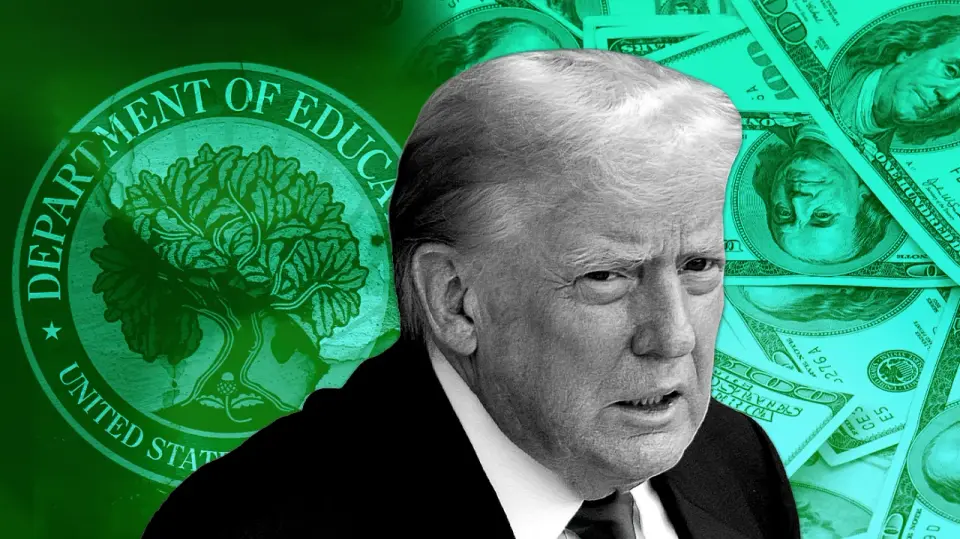
The U.S. Department of Education has finalized new accreditation regulations, effective July 2027, requiring accreditors to evaluate institutions on 'intellectual diversity' and the free exchange of ideas. While the administration frames this as a measure to combat liberal bias and promote open inquiry, critics warn it grants the federal government unprecedented leverage over university policies and could jeopardize access to federal student aid. The rules also mandate stricter separation between programmatic accreditors and their parent trade associations, forcing some agencies to restructure or withdraw from federal recognition. Legal challenges and congressional opposition are anticipated, but the short timeline leaves little room for adjustment.
Key points
- New rules require accreditors to assess institutional policies on intellectual diversity and viewpoint exposure.
- The changes take effect in July 2027, with potential legal challenges from accrediting bodies and universities.
- Programmatic accreditors must sever ties with trade associations to maintain federal recognition, causing financial strain.
- The administration cites a 2025 Northwestern study claiming 88% of students feign progressive views to succeed academically.
- Critics argue the rules violate academic freedom and allow federal meddling in internal university affairs.
Background
This move follows the Trump administration’s 2023 campaign promise to use accreditation as a 'secret weapon' against universities perceived as liberal. In 2025, the administration attempted to revoke Columbia University’s accreditation over alleged anti-discrimination violations, a move the accreditor declined to honor. The new regulations build on previous efforts to restrict diversity, equity, and inclusion initiatives in K-12 and higher education, including Title VI investigations into public school districts in Chicago and Denver.
How outlets are covering it
The Department of Education, via communications director Ellen Keast, defends the rules as a 'commonsense step' to ensure truth emerges through rigorous debate rather than enforced consensus, asserting they do not mandate specific policies or police speech. Conversely, Antoinette Flores of the Council for Higher Education Accreditation warns that the vague standards could become a mechanism for federal influence over institutional decisions. Jeremy Bauer-Wolf of New America calls the regulation 'overly expansive,' arguing it intrudes into areas unrelated to traditional accreditation. Inside Higher Ed highlights a split in the programmatic accreditation sector: some agencies like the American Veterinary Medical Association are separating from their accrediting arms to comply, while others, such as the Council on Chiropractic Education, have withdrawn from federal recognition entirely, citing 'excessively burdensome' standards. The Carolinian notes that the rules align with broader anti-DEI actions, including investigations into public school districts, raising concerns about the politicization of academic standards.
Why it matters
Accreditation is the gateway to federal student aid; losing it can make universities financially inaccessible to most students. The new rules could reshape the landscape of higher education by allowing the federal government to influence curriculum and institutional policies through third-party accreditors. If the rules stand, they may lead to a fragmentation of the accreditation system, with some agencies exiting federal recognition and others restructuring at significant cost, potentially impacting the quality and accessibility of education across the nation.
What to watch
The rules are set to take effect in July 2027. Accrediting agencies are currently reviewing the standards, with some planning formal separations from trade associations. Legal challenges are expected, with potential standing for both accrediting bodies and institutions. The Department of Education plans to release an Accreditation Handbook in early 2027 to clarify implementation. Congress may also intervene, though the timeline is tight. The outcome will determine whether the federal government gains new leverage over university policies or if the rules are struck down or modified.
- Trump administration ready to deploy ‘secret weapon’ against higher education The Hill
- How Will Trump’s New Rule Change Programmatic Accreditation? Inside Higher Ed
- US to change college accreditation based on diversity of viewpoints criterion — The Hill UA.NEWS
- Changes in College Accreditation May Impact Students carolinianuncg.com
- Critics bristle as Trump deploys 'secret weapon' against colleges Alternet
Want the full story? Read the original reporting
Read on The Hill