
Border Agents Felled Ancient Cottonwood After Two-Month Activist Standoff
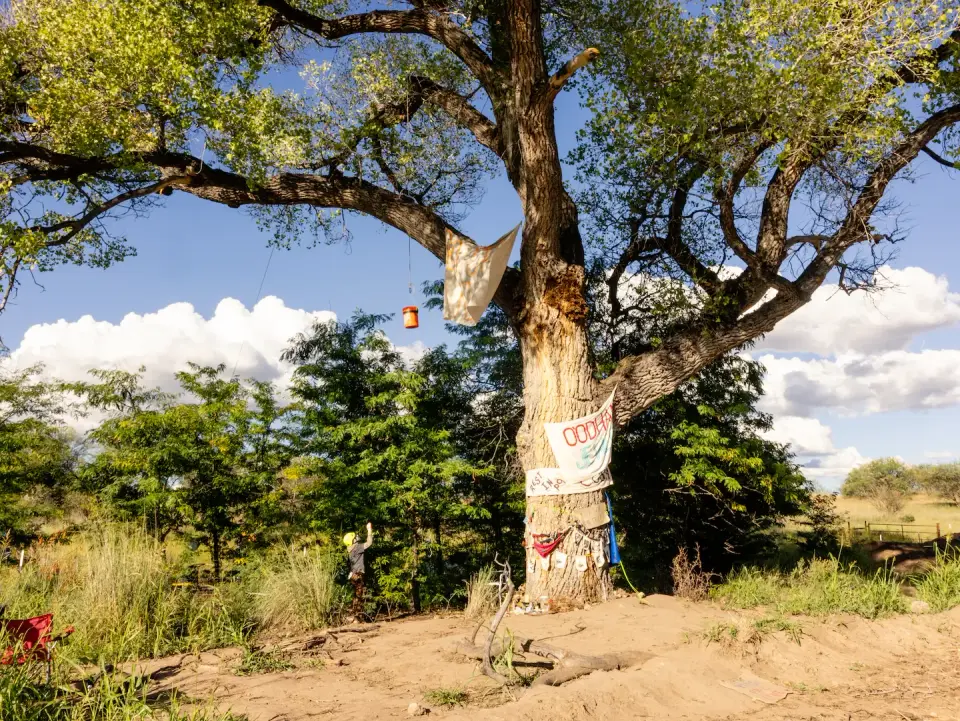
After a 70-day standoff, U.S. Customs and Border Protection agents dismantled a tree-sitting camp and felled a 150- to 250-year-old cottonwood tree in Lochiel, Arizona, to clear the path for a $46.5 billion border wall expansion. Approximately 10 activists were arrested and 10 others cited during the operation, which ended months of resistance against the removal of the 'grandmother' tree.
Key points
- Activists occupied a large cottonwood tree in Lochiel, Arizona, for over two months to prevent its removal for border wall construction.
- CBP contractors ultimately felled the tree, which was estimated to be between 150 and 250 years old, to facilitate the $46.5 billion wall expansion project.
- The operation resulted in the arrest of about 10 activists and citations for another 10, ending the prolonged standoff.
- The tree served as a symbolic focal point for environmental groups opposing the ecological impact of the border wall.
Background
This incident occurs amidst broader tensions regarding border infrastructure and environmental conservation. While recent archive coverage focused on trade disputes with Canada and new cross-border infrastructure in Asia, the current event highlights domestic conflicts over the physical construction of the U.S.-Mexico border wall. The $46.5 billion expansion project has become a flashpoint for environmental activists, who argue that such infrastructure causes significant ecological damage, as seen in the destruction of the ancient cottonwood tree in Arizona.
Why it matters
The felling of the 'grandmother' tree illustrates the escalating friction between federal border security initiatives and environmental preservation efforts. It highlights the tangible costs of the $46.5 billion wall expansion, including the destruction of mature ecosystems and the potential for civil unrest. The arrests and citations signal a stricter enforcement posture by CBP against direct-action protests, setting a precedent for future conflicts over border infrastructure projects.
What to watch
The border wall expansion is expected to continue as CBP proceeds with construction in the Lochiel area. Legal proceedings may follow for the arrested activists, and environmental groups may pursue litigation or further protests to challenge the project's environmental impact assessments. The incident may also draw increased public attention to the ecological consequences of the border wall.
Want the full story? Read the original reporting
Read on The Washington Post