
Federal judge clears SpaceX land swap in Texas wildlife refuge
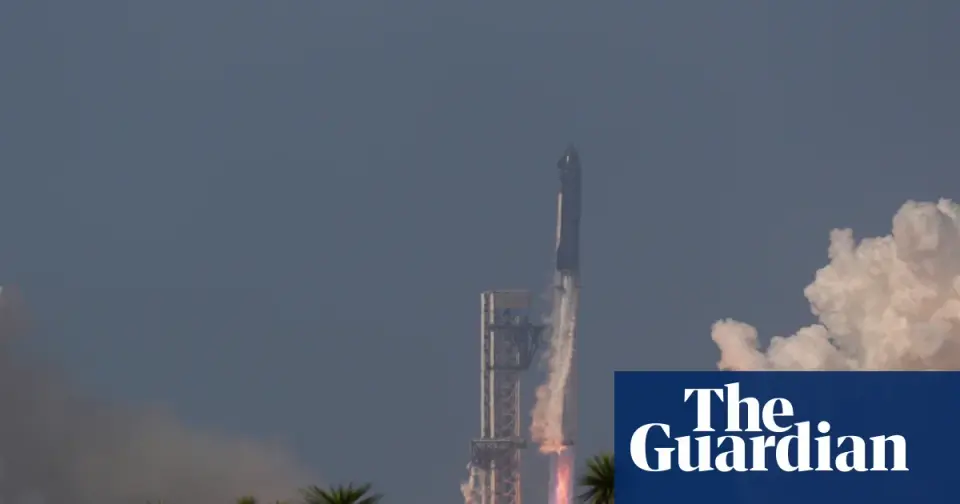
A federal judge denied a request to block a land exchange allowing SpaceX to acquire 715 acres from a Texas wildlife refuge. The ruling permits the company to expand its Starbase launch site, despite objections from environmental and tribal groups.
Key points
- Judge Fernando Rodriguez Jr. denied a preliminary injunction to stop the land swap between the U.S. Fish and Wildlife Service and SpaceX.
- The deal exchanges 715 acres of federal refuge land for 683 acres of private SpaceX land, with title transfer expected by September 22.
- SpaceX plans to use the new land to expand the Massey Test Site and build a service road near its Starbase facility.
- Environmental groups, including the Center for Biological Diversity, argued the move threatens wildlife habitats and public access.
- The judge ruled that plaintiffs failed to prove irreparable harm or that the swap would significantly degrade the area's ecological value.
Background
This ruling follows a broader trend of federal judges allowing Trump administration actions regarding federal lands and resources, such as border wall construction on tribal land and expanded hunting access. The current dispute involves the Lower Rio Grande Valley National Wildlife Refuge, a 103,000-acre area in South Texas. SpaceX has been expanding its operations in the region for over a decade, including the incorporation of a local government called Starbase by its employees in 2025.
How outlets are covering it
The Guardian and The New York Times framed the decision as a significant victory for SpaceX, emphasizing the expansion of Elon Musk’s operations into protected federal land. The Texas Tribune provided a detailed legal breakdown, noting that the judge found the plaintiffs lacked standing and failed to demonstrate that specific species, like the ocelot, would be harmed. While The Guardian highlighted the 'gift' of public lands, The Texas Tribune noted that SpaceX’s own attorney admitted future development could impact wildlife, though the judge deemed this speculative. All sources agree that the litigation will continue despite the ruling.
Why it matters
The decision sets a precedent for the transfer of federal conservation lands to private corporate interests, potentially accelerating the expansion of SpaceX’s footprint in South Texas. It highlights ongoing tensions between commercial space development and environmental preservation, with implications for future land swaps and the protection of wildlife habitats near major infrastructure projects.
What to watch
The title transfer for the land swap is expected to occur on September 22. Environmental and tribal groups have vowed to continue their legal challenge, arguing that the ruling is not final and that the lands hold significant cultural and conservation value. SpaceX plans to proceed with the eastward expansion of the Massey Test Site and the construction of the service road.
- US judge declines to block transfer of wildlife refuge land to Musk’s SpaceX The Guardian
- Judge Allows Transfer of Land in Wildlife Refuge to SpaceX, for Now The New York Times
- Exchange of land between SpaceX and federal refuge in Texas OK’d despite conservationists’ objections The Texas Tribune
- Green light for Elon Musk: Federal judge approves Texas land swap between SpaceX and US government AOL.com
- Judge won't block Trump administration from giving SpaceX acres of wildlife refuge in land swap morning-times.com
Want the full story? Read the original reporting
Read on The Guardian