
Drought and Hyperphagia Drive Record Black Bear Conflicts Across the U.S.
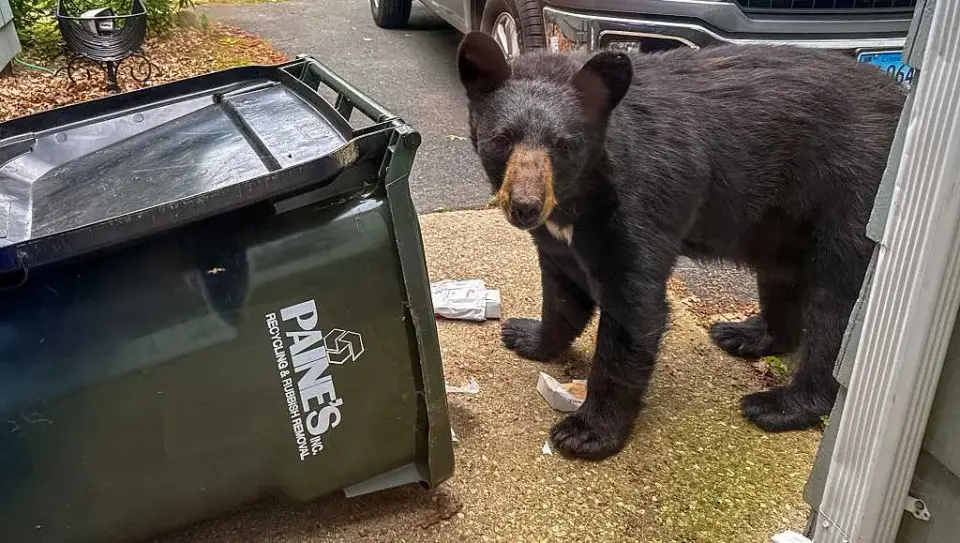
Black bear sightings and incidents have surged across the United States in 2026, driven by severe drought conditions that depleted natural food sources. In Colorado, reports nearly doubled to over 6,100, while New Mexico recorded its highest number of conflict-related bear kills on record. Experts attribute the trend to bears seeking calories in human areas during their pre-hibernation feeding phase, exacerbated by climate-driven habitat stress.
Key points
- Colorado Parks and Wildlife reported 6,129 bear sightings and incidents through August 2026, nearly double the 3,115 reported in the same period last year.
- New Mexico killed 267 bears in human-conflict scenarios through September 8, 2026, surpassing the previous 25-year record of 242.
- Severe drought, low snowpack, and late spring frosts have reduced natural food availability, pushing bears into residential areas for calories.
- A fatal bear attack occurred in New Mexico in August, while a non-fatal incident involving a 17-year-old girl occurred in Durango, Colorado, in September.
- Wildlife officials emphasize securing trash and removing attractants, noting that relocation is often ineffective due to bears' strong homing instincts.
Background
Recent archive entries highlight ongoing challenges in managing bear behavior in protected areas, such as the euthanization of a food-conditioned black bear in Grand Teton National Park in September 2026. This underscores the broader national trend where human-wildlife conflicts are escalating due to changing environmental conditions and increased human presence in bear habitats.
How outlets are covering it
WLWT and SummitDaily.com emphasize the role of drought and hyperphagia in driving bears toward human settlements, with Colorado seeing a 135% increase in statewide reports. The Taos News highlights the unprecedented scale of bear kills in New Mexico, attributing the spike to a combination of drought and a stable bear population. Denver Gazette focuses on the lethal consequences of these encounters, contrasting a fatal mauling in New Mexico with a non-fatal attack in Colorado. While all sources agree on the environmental drivers, they differ in emphasis: WLWT and SummitDaily focus on mitigation strategies, The Taos News on the statistical outlier status of the 2026 season, and Denver Gazette on the immediate safety risks to humans.
Why it matters
The surge in black bear activity poses significant risks to human safety and wildlife conservation. As bears adapt to climate-induced food scarcity by entering human spaces, the likelihood of dangerous encounters increases. Effective community-wide mitigation strategies are essential to prevent further conflicts and ensure the safety of both residents and bears.
What to watch
Wildlife officials expect bear activity to intensify through the fall as bears enter their hyperphagia phase. Authorities are urging residents to secure trash, clean grills, and remove other attractants. Long-term solutions may depend on improved weather patterns, such as a potential El Niño, which could restore natural food sources and reduce bear reliance on human resources.
- Why black bear sightings are increasing across the U.S. this year wlwt.com
- Bear reports rise 21% in Summit County as drought drives animals toward neighborhoods SummitDaily.com
- Fatal bear mauling took place about 100 miles from where Colorado bedroom attack occurred Denver Gazette
- Black bears’ very bad year The Taos News
- “We forget” how to co-exist with bears KUNM
Want the full story? Read the original reporting
Read on wlwt.com