
EPA Finalizes Repeal of Power Plant Climate Rules, Citing Legal Authority Limits
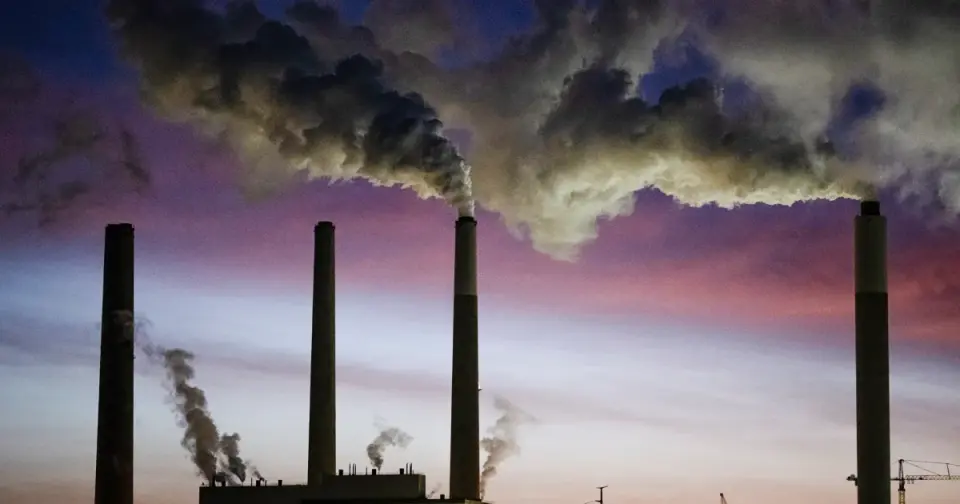
The U.S. Environmental Protection Agency (EPA) has finalized the repeal of 2024 greenhouse gas emission limits for coal and gas-fired power plants, a move that overturns a major Biden-era climate rule. The agency argues it lacks authority under the Clean Air Act to regulate these emissions for climate change purposes and claims the repeal will save the industry over $300 billion. This action follows the earlier rollback of vehicle emissions standards and is expected to face significant legal challenges from environmental groups.
Key points
- The EPA announced the final repeal of the 2024 Carbon Pollution Standards, which required power plants to sequester at least 90% of carbon pollution by 2032.
- The agency also proposed eliminating all remaining greenhouse gas emissions rules for the power sector, asserting that such emissions have no material impact on climate change.
- EPA Administrator Lee Zeldin stated the repeal would save industry more than $300 billion and help 'unleash' American energy, while a separate proposal to rescind other standards would save an additional $370 million.
- The move follows the February repeal of vehicle emissions rules and the overturning of the 'endangerment finding' that underpinned the agency's authority to regulate greenhouse gases.
- Environmental groups, including the Sierra Club, have vowed to sue, calling the action 'full-throated climate denial' and warning of increased pollution and health risks.
- Legal experts note that litigation could take years, potentially extending beyond the current administration's term, as courts of appeals proceed slowly.
Background
This development follows a series of regulatory rollbacks by the Trump administration, including the February repeal of vehicle emissions standards and the overturning of the 2009 'endangerment finding.' The 2024 rule being repealed was designed to phase in carbon sequestration requirements, with the Biden administration estimating it would prevent 1,200 premature deaths and 360,000 asthma cases by 2035. The current rollback occurs amid record-breaking heat waves, with July 2026 being the hottest month on record in the U.S.
How outlets are covering it
The EPA and industry groups like America's Power frame the repeal as necessary to preserve grid reliability, protect the U.S. coal fleet, and lower electricity costs for consumers, particularly amid surging demand from data centers and AI. Conversely, environmental organizations and experts, such as the Sierra Club and the Center for Biological Diversity, argue the move is based on climate denial and will lead to higher pollution, extreme weather, and increased health damages, potentially costing up to $476 billion in health impacts. Legal analysts note the strategy aims to dismantle the entire legal framework for regulating climate pollution, making it difficult for future administrations to reinstate such rules.
Why it matters
The repeal of power plant emissions limits represents a significant shift in U.S. climate policy, potentially allowing approximately 123 million metric tons more CO2 over the next decade. As power plants are the second-largest source of U.S. emissions, this decision could exacerbate climate change impacts, including heat waves and storms, while raising questions about the long-term legal and environmental consequences of deregulating major pollution sources.
What to watch
Environmental groups are expected to file lawsuits challenging the repeal, with legal experts predicting the cases could take years to resolve, possibly extending beyond the current administration. The EPA's proposal to eliminate all remaining greenhouse gas emissions rules for the power sector will also face scrutiny, with courts evaluating the agency's legal authority and the scientific basis for its claims.
- EPA to repeal limits on greenhouse gas pollution from power plants NBC News
- 6 takeaways as Trump takes sledgehammer to power plant climate regs The Hill
- Power plants freed of Biden-era rules, sparking clean air concerns USA Today
- E.P.A. Will Erase Limits on Climate Pollution From Power Plants The New York Times
- Trump Doubles Down on Climate Denial With Plan to Repeal Power Plant Rules insideclimatenews.org
Want the full story? Read the original reporting
Read on NBC News