
EPA Scraps Power Plant Emission Limits, Citing Lack of Climate Impact
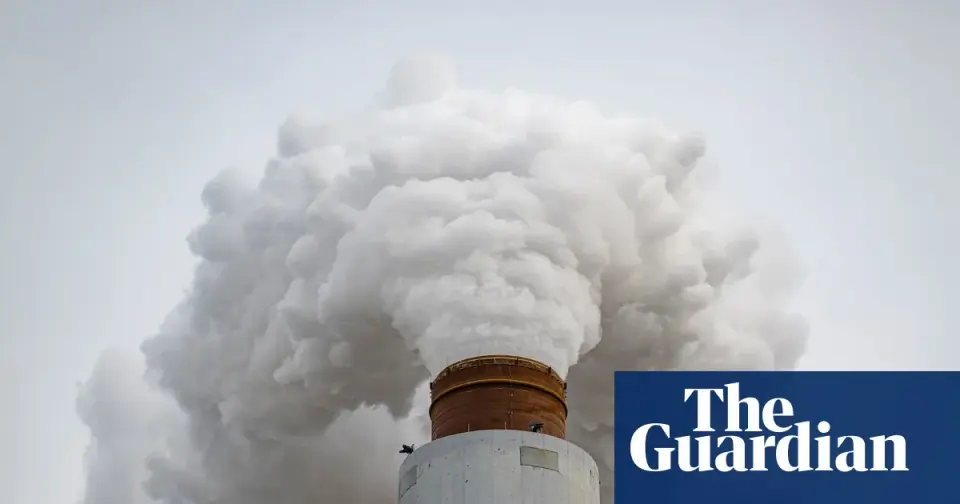
The US Environmental Protection Agency has finalized a plan to repeal the 2024 Carbon Pollution Standards, effectively removing all limits on greenhouse gas emissions from coal and gas power plants. The agency argues these emissions have no material impact on climate change and that the rules exceeded its legal authority. This move follows the earlier revocation of the foundational 2009 endangerment finding, which had justified climate regulations. While the administration projects $310 billion in savings and lower electricity prices, critics warn of 123 million metric tons of additional carbon emissions and severe public health consequences.
Key points
- The EPA announced the repeal of the 2024 Carbon Pollution Standards, which were designed to limit greenhouse gas emissions from power plants.
- The agency claims the previous rules exceeded its authority under the Clean Air Act and that power plant emissions do not significantly affect global climate change.
- The move is expected to result in 123 million metric tons of additional carbon emissions over the next decade, according to EPA calculations.
- The administration projects the repeal will save power plant operators $370 million in compliance costs and contribute to $310 billion in broader economic savings.
- Environmental groups, including the Sierra Club, have vowed to challenge the decision in court, calling it a betrayal of public health and scientific consensus.
Background
This action follows a series of regulatory rollbacks by the Trump administration, including the February 2026 elimination of pollution standards for cars and trucks. In 2024, the Biden administration had implemented the Carbon Pollution Standards, which projected a reduction of 1 billion tonnes of greenhouse gases by 2047 and significant health benefits. The current move is part of a broader strategy to dismantle the legal framework for regulating climate pollution, which had been established by a 2007 Supreme Court ruling and the 2009 EPA endangerment finding.
How outlets are covering it
The Guardian and Inside Climate News highlight the scientific and legal contradictions in the EPA's stance, noting that while the agency claims power plant emissions have no material impact on climate change, US electricity generation accounts for a quarter of the country's greenhouse gas emissions. Inside Climate News emphasizes that this move completes the deregulation of both the power and transportation sectors, the two largest sources of climate emissions in the US. USA Today provides a more neutral summary, focusing on the repeal of limits on coal and gas plants and the agency's intention to remove other greenhouse gas requirements. Environmental advocates, such as Holly Bender of the Sierra Club and Gina McCarthy, former EPA administrator, criticize the move as 'full-throated climate denial' that prioritizes industrial profits over public health, while EPA administrator Lee Zeldin frames the decision as protecting American energy and lowering electricity prices.
Why it matters
The repeal of these standards removes a key tool for addressing the climate crisis and could significantly increase carbon emissions in the coming decade. It also sets a precedent that may make it difficult for future administrations to re-implement climate regulations, as the foundational legal basis for such rules has been undermined. The decision has immediate implications for public health, with potential increases in premature deaths and asthma attacks, as well as long-term environmental consequences, including accelerated global warming and more extreme weather events.
What to watch
Environmental groups are expected to file lawsuits to challenge the EPA's decision, arguing that the agency's claims contradict established science and legal precedents. The outcome of these legal battles will determine whether the repeal stands or is reversed. Additionally, the move may influence state-level climate policies, as some states have previously passed stricter regulations in the absence of federal action. The long-term impact on carbon emissions and public health will depend on the success of these legal challenges and the political landscape in future administrations.
- US ends limits on coal and gas plant emissions, removing key tool to battle climate crisis The Guardian
- Trump Doubles Down on Climate Denial With Plan to Repeal Power Plant Rules Inside Climate News
- Power plants freed of Biden-era rules, sparking clean air concerns USA Today
- E.P.A. Will Erase Limits on Climate Pollution From Power Plants The New York Times
- EPA to Roll Back Power-Plant Emission Rules WSJ
Want the full story? Read the original reporting
Read on The Guardian