
Grand Teton euthanizes black bear after visitors feed it near Delta Lake
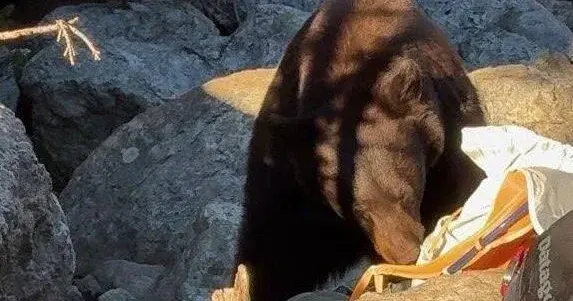
A black bear was euthanized in Grand Teton National Park on September 11 after it repeatedly approached humans near Delta Lake. Park officials stated the animal was killed because visitors had fed it, creating a safety risk. The National Park Service emphasized that lethal removal was a last resort after other options were exhausted.
Key points
- The bear was euthanized on September 11 in the Delta Lake area of Grand Teton National Park.
- Park officials blamed the bear's behavior on 'poor decisions' by visitors who fed it.
- The animal was described as 'unusually difficult to haze away,' indicating food-conditioned behavior.
- The carcass was removed from the backcountry the morning after the euthanization.
- Officials stated that translocation was not a safe or effective option in this case.
Background
This incident occurs amidst ongoing debates regarding public land management and wildlife conservation in the western United States. Earlier in September 2026, conservation groups filed lawsuits challenging the Trump administration's orders to shrink Bears Ears and Grand Staircase-Escalante National Monuments, highlighting tensions between federal land protection and state interests. Additionally, Grand Canyon National Park experienced a severe flash flood in late August 2026, resulting in fatalities and the evacuation of dozens of visitors, underscoring the broader challenges of managing national parks and visitor safety.
How outlets are covering it
CBS News and The New York Times both reported that the bear was euthanized due to 'poor decisions' by park visitors who fed it. CBS News highlighted the park's statement that the bear's behavior escalated over several days, while The New York Times emphasized that the bear had been fed repeatedly, making it an 'unacceptable safety risk.' Both outlets noted that the National Park Service considered translocation but determined it was not a viable option. Yahoo News Singapore did not provide additional details beyond the headline, which mirrored the CBS News and New York Times reports.
Why it matters
The euthanization of the black bear underscores the critical importance of visitor behavior in national parks. Feeding wildlife can lead to dangerous conditioning, where animals associate humans with food, posing risks to both the animals and visitors. This incident serves as a stark reminder of the consequences of human-wildlife interactions and the difficult decisions park officials must make to ensure public safety and protect wildlife.
What to watch
Park officials are expected to continue monitoring wildlife behavior in Grand Teton National Park and may implement additional measures to prevent similar incidents. Visitors are urged to follow guidelines for storing food and interacting with wildlife to avoid conditioning animals. The National Park Service may also review its policies on wildlife management and visitor education to address the root causes of such incidents.
- Grand Teton National Park forced to kill bear "because of poor decisions" made by human visitors CBS News
- Bear euthanized in Grand Teton after being food-conditioned by visitors: Officials ABC News - Breaking News, Latest News and Videos
- Black Bear Killed In Grand Teton National Park After ‘Poor Decisions Made By Park Visitors’ Yahoo News Singapore
- Grand Teton National Park kills bear after hikers kept feeding it SFGATE
- Black Bear Euthanized at Grand Teton National Park, Officials Say The New York Times
Want the full story? Read the original reporting
Read on CBS News