
New Colorado River framework leans on voluntary cuts and tribal credits to navigate drought
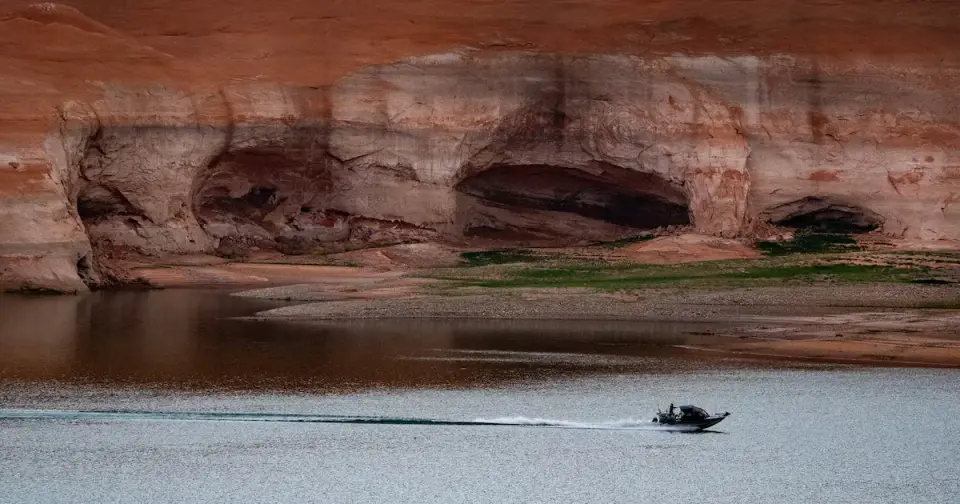
The Bureau of Reclamation’s new 10-year framework for the Colorado River emphasizes voluntary conservation in the Upper Basin (Utah and neighboring states) and allows up to 3 million acre-feet of conserved water to be stored in Lake Powell for transactions, while raising the possibility of large cuts in the Lower Basin (Arizona, California, Nevada) during dry years. It targets about 200,000 acre-feet of voluntary savings for Utah and other Upper Basin states, but also contemplates maintaining Powell and Mead levels by adjusting releases and potentially tapping upstream reservoirs. The plan could trigger a compact call or lawsuits if flows fall below critical thresholds, and while it’s meant to push toward consensus among seven states, it does not solve long-standing drought and climate-change pressures. Final federal decision is imminent.
- ‘Pain and suffering’: What the feds’ Lake Powell proposal means for Utah and other Colorado River states The Salt Lake Tribune
- 'You Can't Make Water:' Farmers and Ranch Workers Weigh In On Federal Government's Colorado River Plan AgWeb
- WATCH: Gilbert looks to secure water supply before expected Colorado River cuts ABC15 Arizona
- ‘The crisis is now’: Nevada stares down unprecedented Colorado River cuts Las Vegas Review-Journal
- Wyoming State Engineer breaks down Colorado River developments, talks Wyoming's fit wyomingnewsnow.tv
Want the full story? Read the original reporting
Read on The Salt Lake Tribune