
Oregon Ranchers Defend Herds as State Wildfire Crisis Peaks
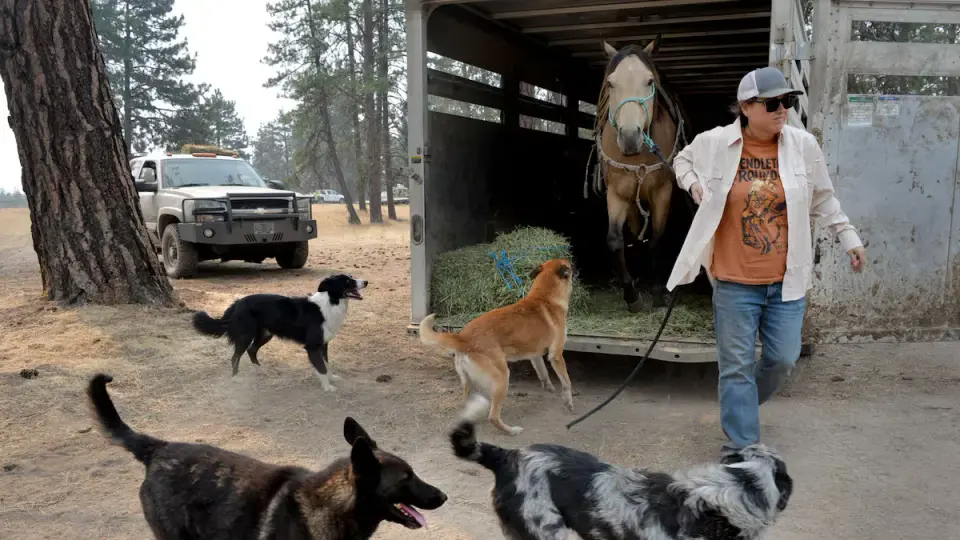
Oregon ranchers are manually saving cattle from the Grasshopper Fire near Mount Hood as the state faces a record-breaking wildfire season. Simultaneously, the Akawa Butte Fire near Sisters has reached 85% containment, allowing evacuation orders to be lifted. While the Grasshopper Fire threatens livestock in Wasco County, the Akawa Butte Fire, which burned 27,491 acres, is now in recovery mode. The state has burned nearly 1.8 million acres by late July, approaching the 2024 record. Communities are relying on local networks and heavy equipment to protect assets while professional firefighting resources remain stretched thin across multiple major incidents.
Key points
- The Nogles spent a week saving approximately 150 cows and calves from the Grasshopper Fire east of Mount Hood using horses, dogs, and community volunteers.
- By late July, Oregon had burned 1.8 million acres, nearing the 2024 record of 1.9 million acres, with many fires in remote rangelands critical to ranchers.
- The Akawa Butte Fire in Deschutes County, which burned 27,491 acres, reached 85% containment, leading to the lifting of all evacuation notices in Sisters.
- Ranchers rely on salt licks, herding dogs, and water tank rigs to locate and protect cattle when wildland firefighting resources are unavailable.
- The Akawa Butte Fire was caused by lightning and involved over 1,000 firefighters at its peak, with significant challenges from pyrocumulus clouds and night operations.
Background
Oregon has experienced a severe wildfire season, with the state hosting the four largest active wildfires in the U.S. as of late July. Previous coverage noted extreme fire danger due to dry conditions and high winds, with the Bench and Beachcomb fires merging near Warm Springs. The Akawa Butte Fire had previously displayed extreme behavior, including pyrocumulus clouds and flame lengths of 150 to 200 feet, prompting evacuations and road closures. The current situation highlights the ongoing strain on firefighting resources and the impact of climate change on Pacific Northwest fire seasons.
How outlets are covering it
OPB emphasizes the human and economic toll on ranchers, detailing the manual labor and community cooperation required to save cattle from the Grasshopper Fire. KATU and Central Oregon Fire Information focus on the progress of the Akawa Butte Fire, highlighting the lifting of evacuations and the transition to recovery operations. The Bend Bulletin provides a firefighter perspective, describing the physical and emotional challenges of battling the Akawa Butte Fire, including night operations and pyrocumulus clouds. While OPB highlights the vulnerability of rural livelihoods, the other sources emphasize the successful containment of major fires and the resilience of emergency responders.
Why it matters
The Grasshopper Fire and Akawa Butte Fire illustrate the dual threats of wildfire to rural economies and community safety in Oregon. Ranchers face significant financial and emotional losses as they struggle to protect their herds, while communities like Sisters benefit from the successful containment of large fires. The record-breaking acreage burned underscores the increasing severity of wildfire seasons in the Pacific Northwest, driven by climate change and dry conditions. Effective community response and firefighting efforts are crucial in mitigating the impact of these disasters.
What to watch
Ranchers will continue to monitor and protect their remaining cattle as the fire season progresses. The Akawa Butte Fire will remain under 85% containment, with ongoing recovery and mop-up operations. Firefighters will be reassigned to other active fires across Oregon, given the high number of active incidents. Communities will remain vigilant for potential new fires, especially as dry conditions and high winds persist. Authorities will continue to monitor air quality and road closures in affected areas.
- Oregon ranchers race to protect cattle from Grasshopper Fire Oregon Public Broadcasting - OPB
- All evacuation notices lifted for Akawa Butte Fire as crews transition to recovery efforts KATU
- Akawa Butte Fire / August 3, 2026 Central Oregon Fire Information
- Firefighters recall harrowing days, nights fighting Akawa Butte wildfire bendbulletin.com
- Oregon wildfires: Evacuations lifted for Akawa Butte Fire in Deschutes County KPTV
Want the full story? Read the original reporting
Read on Oregon Public Broadcasting - OPB