
Ross Fire reaches 85,000 acres in North Texas, ranking second-largest in regional history
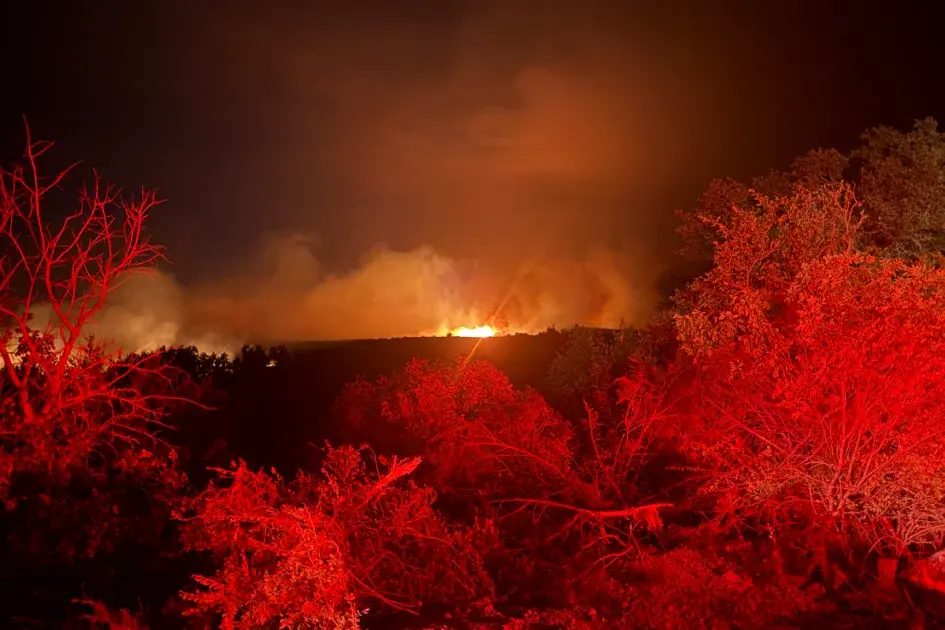
The Ross Fire has burned over 85,000 acres in Palo Pinto and Jack counties since starting on August 24, 2026. It is now the second-largest wildfire in the Dallas-Fort Worth area's recorded history, behind the 2011 Possum Kingdom Complex Fire. The blaze is 21% contained, with no reported injuries but significant structural damage, including to the historic Worth Ranch scouting camp.
Key points
- The fire started on August 24 near Palo Pinto and expanded rapidly, doubling to 50,000 acres by August 25 and exceeding 80,000 acres by August 26.
- As of August 27, the Texas A&M Forest Service reported 21% containment, with increased winds expected to challenge containment efforts.
- No injuries have been reported, but mandatory evacuations were issued in Jack County and voluntary advisories in Palo Pinto County, both later lifted as conditions improved.
- Structures were impacted, including Worth Ranch, an 800-acre historic scouting camp along the Brazos River, though the extent of property damage remains unknown.
- Smoke from the fire has drifted east and southeast into North Texas, degrading air quality and prompting health advisories for vulnerable populations.
Background
The Ross Fire emerged during a period of extreme heat across Texas, with the state reporting 80 active fires affecting over 90,700 acres. The fire's rapid growth in dry ranchland conditions mirrors previous large-scale wildfires in the region, such as the 2011 Possum Kingdom Complex Fire, which burned 126,734 acres. Governor Greg Abbott announced a FEMA Fire Management Assistance Grant on August 25 to support local firefighting costs.
Why it matters
The Ross Fire highlights the increasing frequency and scale of wildfires in North Texas, driven by extreme heat and dry conditions. Its rapid expansion and impact on historic sites and rural communities underscore the growing risks to infrastructure and public safety in the region, necessitating coordinated emergency responses and resource allocation.
What to watch
Firefighters will continue efforts to achieve full containment, with increased winds expected on August 27 posing additional challenges. Authorities will monitor air quality impacts and support residents in affected areas, while the Texas A&M Forest Service will assess the full extent of property damage and coordinate with local agencies for recovery efforts.
- Ross Fire has burned in North Texas for three days The Texas Tribune
- First responders fight new flare ups in Ross Fire FOX 4 News Dallas-Fort Worth
- New North Texas fires burn as Ross Fire tops 85,000 acres CBS News
- Latest on where North Texas wildfires are currently burning in Palo Pinto, Jack County as blaze grows to 85,000 acres WFAA
- Beloved Texas Boy Scout camp gutted by Palo Pinto wildfire Dallas News
Want the full story? Read the original reporting
Read on The Texas Tribune