
SS United States Becomes World’s Largest Artificial Reef After Deliberate Sinking
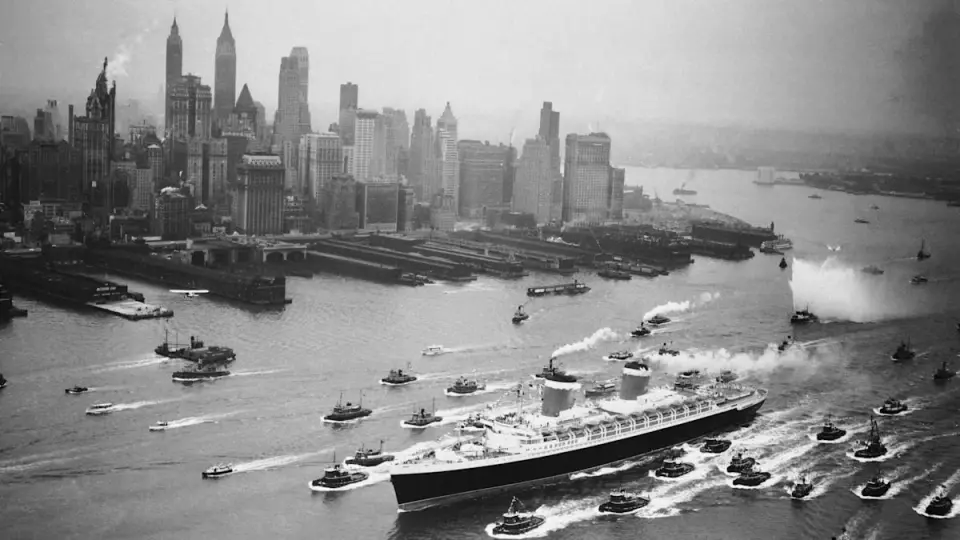
The SS United States, once the world’s fastest ocean liner, was deliberately sunk in the Gulf of Mexico on November 11, 2026, to become the largest artificial reef. Divers confirmed the vessel rests upright at a depth of 190 feet, marking the start of a new ecological and tourism era for the ship.
Key points
- The nearly 1,000-foot-long vessel sank off the coast of Pensacola, Florida, after crews removed hull plugs, a process that took longer than expected but concluded without explosives.
- Divers from the RV Explorer released footage on November 13 showing the ship resting upright on the ocean floor, despite initially sinking on its side.
- The project represents the first time ecologists will monitor a shipwreck’s transformation into a reef in real-time, with annual visits planned to assess marine life and environmental impact.
- Okaloosa County tourism officials expect the reef to generate $10 million to $12 million in annual economic benefits, potentially recouping the $10 million investment within a few years.
- The SS United States Conservancy sold the vessel to the county for $1 million in 2024, viewing the reefing as a more dignified alternative to scrapping the historic ship.
Background
The SS United States, launched in 1952, was the fastest passenger liner in the world, holding the transatlantic speed record for over a decade. It carried notable passengers, including John and Jacqueline Kennedy, and ceased operations in 1969. After decades in drydock, the ship faced potential demolition before the decision was made to convert it into an artificial reef.
How outlets are covering it
AP News emphasized the emotional and historical significance of the sinking, describing it as a 'bittersweet coda' to the era of luxury ocean liners. NPR focused on the economic implications, highlighting how the reef could boost tourism in the Florida panhandle and the potential for diminishing returns if too many reefs are created. Yahoo News highlighted the technical aspects, noting the ship’s upright resting position and the meticulous cleaning of the vessel before sinking. All sources agreed on the vessel’s historical importance and the success of the sinking operation, but differed in their emphasis on emotional, economic, and technical details.
Why it matters
The sinking of the SS United States marks a significant milestone in marine conservation and tourism. It demonstrates how historic vessels can be repurposed to support marine ecosystems and generate economic benefits for local communities. The real-time monitoring of the reef’s development provides valuable data for future conservation efforts and could influence policies on artificial reef creation in other regions.
What to watch
Researchers plan to conduct annual visits to the SS United States to monitor the artificial reef’s progress and assess the impact of the ship’s materials on surrounding ocean conditions. Okaloosa County tourism officials are planning to sink five or six additional artificial reefs in the coming years, aiming to capitalize on the tourism boom generated by the SS United States.
- Divers release first footage of SS ‘United States’ after intentional sinking Yahoo
- The historic SS United States is sunk after a long goodbye off Florida’s coast AP News
- World's fastest ocean liner is sunk to break another record: largest artificial reef NPR
- I Watched a Legendary American Ocean Liner Sink. And I Was Thrilled to See It Go. Fodors Travel Guide
- Opinion | The greatest U.S. ocean liner just got a Viking’s funeral The Washington Post
Want the full story? Read the original reporting
Read on Yahoo