
Sanctions and Legal Fears Derail Trump’s Russian Diesel Deal as US Fuel Stocks Hit 20-Year Low
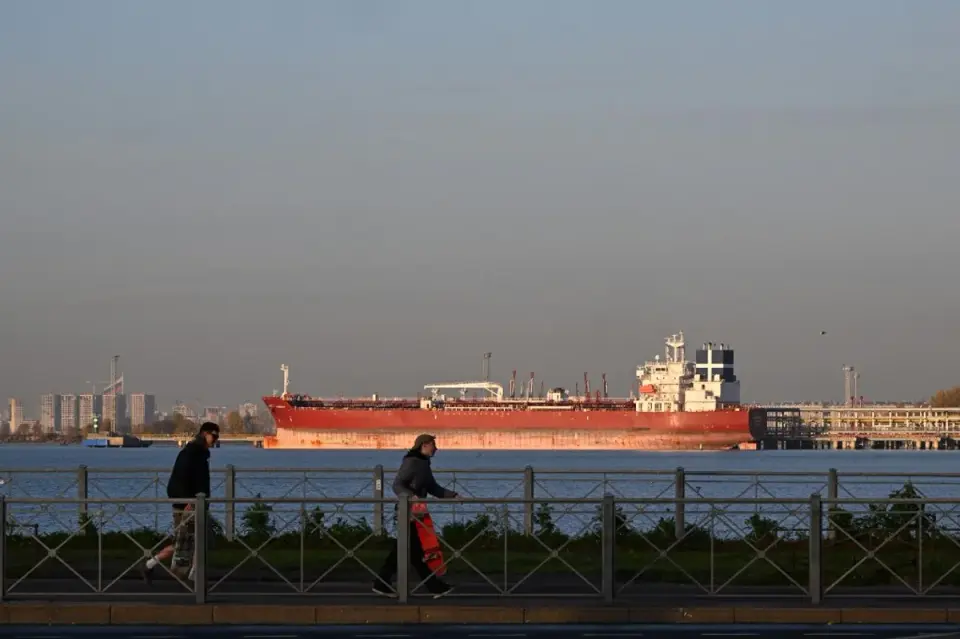
Two Russian diesel tankers have diverted from US ports, undermining President Trump’s October agreement with Vladimir Putin to supply American buyers. The vessels, Talisman and Leruo, both face significant sanctions, while a third tanker, Agioi Fanendes, remains uncertain. This collapse occurs as US diesel inventories drop below 100 million barrels, the lowest level in two decades, amid rising prices and political backlash from Congress and Ukraine.
Key points
- The Talisman and Leruo tankers abandoned US Atlantic Coast destinations, with Talisman entering the Mediterranean and Leruo heading to Brazil.
- US diesel inventories have fallen below 100 million barrels, a 20-year low, while pump prices remain near September records at $6.27 per gallon.
- New Jersey Governor Mikie Sherrill warned port operators that accepting Russian diesel could trigger harsh penalties under 2022 sanctions laws.
- The initial shipment of 40,000 metric tons represented only 13% of the 300,000 metric tons Trump promised to release immediately.
- Ukrainian President Volodymyr Zelensky condemned the deal, arguing it provides Moscow with additional revenue to fund its war against Ukraine.
Background
The diesel deal was announced on October 9 following a Trump-Putin call, amidst broader tensions over the Iran war and stalled peace negotiations. Previous coverage noted bipartisan criticism and warnings that the arrangement violated 2022 legislation banning Russian energy imports. The current diversion of tankers follows a period where Democrats won control of Congress in the November 3 midterms, intensifying scrutiny of the administration’s energy policies.
How outlets are covering it
The Financial Times and Kyiv Post emphasize the logistical failure of the deal, highlighting how sanctions and legal risks have caused tankers to divert. The Independent focuses on the political fallout, noting that the deal failed to help Republicans in the midterms and drew criticism from European leaders like Lithuania’s foreign minister. Ukrainian Pravda underscores the worsening supply crisis, linking the diversions to the historic low in US inventories. While all sources agree on the tankers' movements, they differ in emphasis: Western outlets focus on the legal and market failures, while Ukrainian sources highlight the geopolitical betrayal and the impact on the war effort.
Why it matters
The failure of the diesel deal exposes the fragility of US energy security and the limits of executive power to override sanctions. With inventories at a 20-year low and prices near record highs, the diversion of Russian fuel threatens to exacerbate economic strain. It also signals a shift in US-Russia relations, as the administration’s attempt to ease pressure on Moscow has backfired, potentially strengthening Kremlin leverage while failing to deliver promised relief to American consumers.
What to watch
Analysts suggest the remaining tanker, Agioi Fanendes, may also divert due to buyer hesitancy. Congress, now controlled by Democrats, is likely to investigate the legality of the deal and potential violations of sanctions laws. The Trump administration may face increased pressure to rescind the arrangement or justify its continuation, while Ukraine may push for alternative energy partnerships with Washington.
- Russian Diesel Tankers Flee US Route as Trump-Putin Deal Hits Sanctions Wall Kyiv Post
- New Jersey governor warns ports against accepting Russian diesel Reuters
- Trump diesel deal with Russia falters as US fuel supplies hit 20-year low Financial Times
- Trump’s diesel deal with Putin in shambles after Russian tankers turn away from US due to sanctions The Independent
- Some of Putin's diesel tankers have turned around and are heading away from US – FT Українська правда
Want the full story? Read the original reporting
Read on Kyiv Post