
European Leaders Rally Behind Zelenskyy After Trump’s Call for Leadership Change
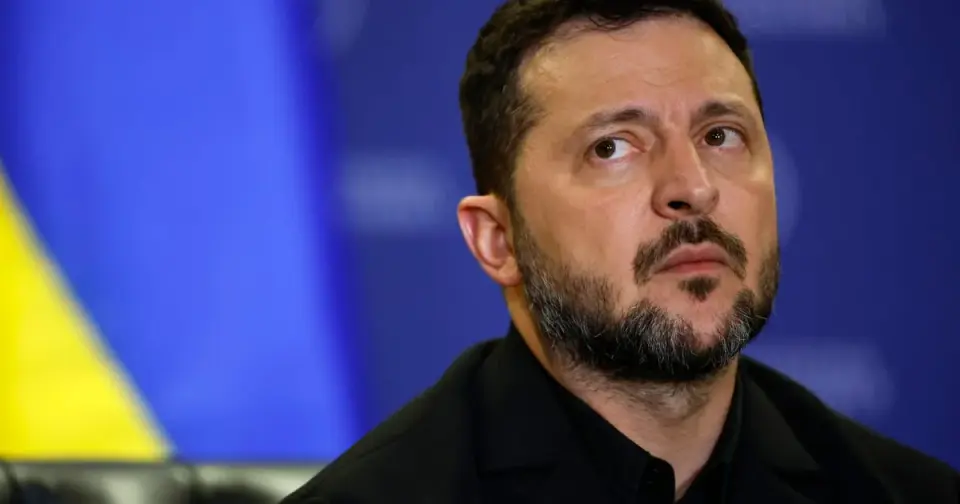
The UK, Germany, and Poland have reaffirmed their support for Ukrainian President Volodymyr Zelenskyy following a sharp diplomatic rift with the United States. The dispute arose after President Donald Trump demanded that Ukraine replace its leadership and cease strikes on Russian oil refineries, citing concerns over global diesel supplies. In response, European leaders emphasized their solidarity with Kyiv, with British Prime Minister Andy Burnham pledging to strengthen sanctions against Moscow. Zelenskyy countered by offering to halt attacks on Russian energy infrastructure if Russia stops targeting Ukrainian civilian and military assets. This escalation follows a recent US decision to ease sanctions on Russian diesel exports, which Kyiv condemned as a move that funds the war. The incident highlights growing tensions between Washington and its European allies regarding the management of the conflict and energy policy.
Key points
- UK, Germany, and Poland publicly reaffirmed support for Zelenskyy after Trump called for a new Ukrainian leader.
- Trump criticized Ukrainian strikes on Russian oil facilities, arguing they harm global diesel supplies and US farmers.
- Zelenskyy proposed a conditional ceasefire on Russian refineries if Moscow halts attacks on Ukrainian energy infrastructure.
- British PM Andy Burnham pledged to strengthen sanctions, while German officials called for consistent support for Ukraine.
- The conflict stems from a recent US decision to ease sanctions on Russian diesel exports, which Kyiv labeled a 'smokescreen' for war funding.
Background
This latest escalation follows a series of high-tension interactions between Washington and Kyiv in late September and early October 2026. Previous reports indicated that Ukraine was negotiating to license the production of Patriot interceptor missiles to bolster air defense against Russian ballistic strikes, even as Moscow intensified long-range attacks on Ukrainian data centers and telecommunications infrastructure. The current dispute over diesel sanctions and leadership criticism marks a significant shift in the US approach, moving from logistical support to direct political pressure on Kyiv’s leadership. Earlier in October, Zelenskyy had already rejected Trump’s suggestion for a leadership change, asserting that only the Ukrainian people could choose their president, while simultaneously condemning the easing of Russian diesel sanctions as a 'birthday gift' to Vladimir Putin.
Why it matters
The public rift between the US and European allies over Ukraine’s leadership and energy policy signals a potential fracture in the transatlantic coalition supporting Kyiv. If Washington continues to pressure Ukraine to halt strikes on Russian energy infrastructure while simultaneously easing sanctions, it could undermine the strategic goal of degrading Russia’s war funding. Conversely, European reaffirmation of support for Zelenskyy may stabilize Kyiv’s position but could deepen diplomatic tensions with Washington, complicating future negotiations for a peace deal. The outcome of this dispute will likely influence the pace of military aid and the trajectory of the conflict in the coming months.
What to watch
Watch for further diplomatic exchanges between Washington and Kyiv regarding the status of Russian diesel sanctions and the potential for a conditional ceasefire on energy infrastructure. Monitor European Union statements for any coordinated response to US pressure, as well as any shifts in US military aid packages or diplomatic engagements with Moscow. Additionally, observe whether Zelenskyy’s offer to halt refinery strikes is reciprocated by Russia or if the conflict continues to escalate in both military and political dimensions.
Want the full story? Read the original reporting
Read on POLITICO.eu