geopolitics213.55 min read
US Weighs Halting Intel and Arms to Ukraine Over Russian Energy Strikes
39 minutes ago•Source: CNN

The latest geopolitics stories, each synthesized from multiple sources with added background and context.

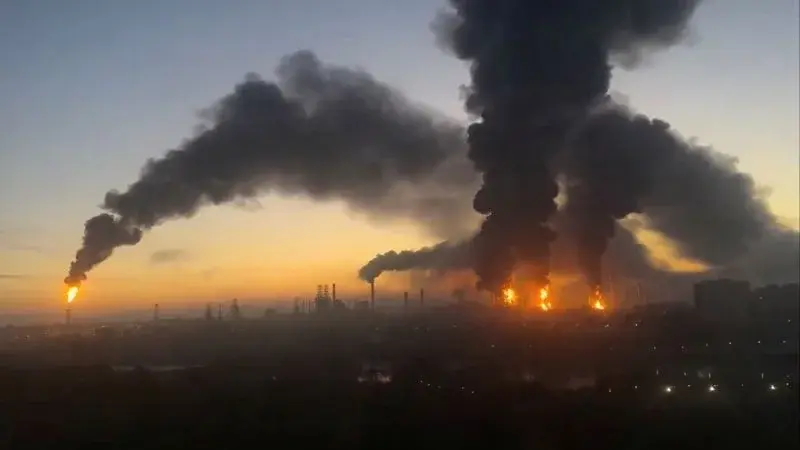
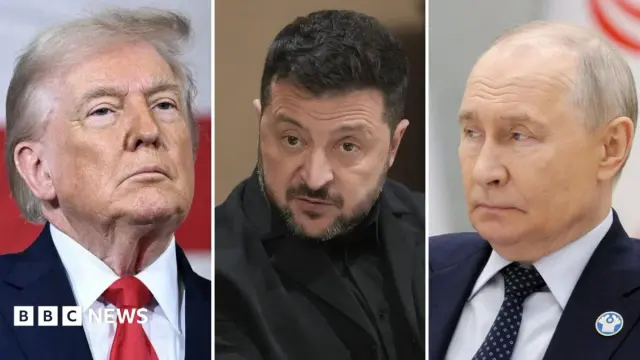
President Donald Trump declared an immediate 'energy ceasefire' between Russia and Ukraine on October 11, 2026, claiming both sides agreed to stop attacking infrastructure. However, the announcement was immediately contradicted by Russian strikes on power plants in Kyiv and Kharkiv. Ukrainian President Volodymyr Zelenskyy stated he was unaware of the deal and is awaiting details from Washington, while Moscow has not confirmed the truce. The move occurs amid a global energy crisis driven by the U.S. war with Iran and recent U.S. sanctions relief for Russian diesel.
Українська правда•5 hours ago
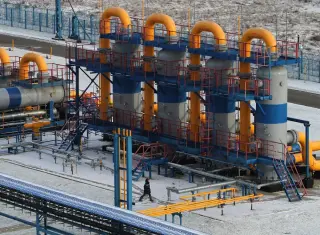
President Donald Trump declared an immediate 'energy ceasefire' between Russia and Ukraine on October 11, 2026, claiming both sides agreed to halt strikes on energy infrastructure. However, the announcement was met with skepticism; Ukrainian President Volodymyr Zelensky stated he was unaware of the deal, and Russian forces continued striking Ukrainian power plants hours later. The move follows a controversial US decision to lift sanctions on Russian diesel exports, which Zelensky condemned as funding the war. The incident has triggered a severe diplomatic rift between Washington and Kyiv, with the US threatening to cut off intelligence sharing and weapon procurement if Ukraine continues to strike Russian refineries.
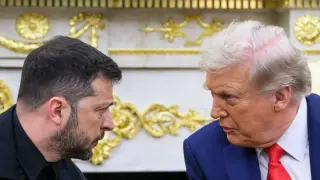
President Donald Trump declared an immediate 'energy ceasefire' between Russia and Ukraine on Truth Social, claiming both sides had agreed to halt strikes on energy infrastructure. However, the announcement proved tenuous; Ukrainian President Volodymyr Zelensky stated the news was unexpected, and Russian forces launched strikes on Ukrainian power plants hours later. The move follows a diplomatic rift where Trump, frustrated by rising U.S. gas prices, pressured Kyiv to stop attacking Russian refineries. White House officials warned that continued Ukrainian strikes on Russian oil facilities are damaging Zelensky’s relationship with Washington more than they are hurting Moscow, with envoys Steve Witkoff and Jared Kushner threatening to cut intelligence sharing if Ukraine ignores U.S. requests.

US President Donald Trump announced an immediate 'energy ceasefire' between Russia and Ukraine on October 11, 2026, via Truth Social, claiming both parties agreed. Ukrainian President Volodymyr Zelenskyy stated he was unaware of the deal, calling it 'news to me,' and refused to halt Ukrainian strikes on Russian refineries without reciprocal Russian concessions. The announcement followed a controversial US decision to lift sanctions on Russian diesel exports, which Zelenskyy condemned as funding the war. Despite the declaration, Russian forces continued aerial attacks on Ukrainian energy infrastructure, including a strike on a power plant in Kharkiv, effectively collapsing the ceasefire within hours. The incident has triggered the most severe diplomatic rift between Washington and Kyiv since 2025, with the US threatening to cut off intelligence sharing and weapon procurement.
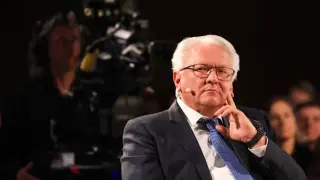
Western intelligence agencies warn that Russia is intensifying assassination plots against European defence executives to disrupt support for Ukraine. The GRU is using organized crime networks and cross-border cells to target leaders of major arms firms and smaller drone manufacturers. While some plots have been thwarted, the psychological impact aims to deter European companies from supplying Kyiv, prompting increased private security measures across the sector.

US President Donald Trump declared an immediate 'energy ceasefire' between Russia and Ukraine on October 11, 2026, claiming both sides had agreed to halt attacks on energy infrastructure. Ukrainian President Volodymyr Zelensky stated he was unaware of the deal but said Kyiv would support it if Moscow reciprocated. However, Russian strikes on Ukrainian power grids continued immediately after the announcement, and Moscow has not confirmed the agreement. The move follows a controversial US-Russia diesel deal and Trump's public call for Zelensky to be replaced, deepening the rift between Washington and Kyiv.

US President Donald Trump declared an immediate 'energy ceasefire' between Russia and Ukraine on October 11, 2026, but the agreement collapsed within hours as Russian forces struck power plants in Kyiv and Kharkiv. Ukrainian President Volodymyr Zelenskyy stated he was not informed of the deal and demanded verification, while Moscow has not confirmed any agreement. The announcement followed a controversial US-Russia diesel deal and Trump's public call for Zelenskyy to be replaced, deepening the rift between Washington and Kyiv.

The UK, Germany, and Poland have reaffirmed their support for Ukrainian President Volodymyr Zelenskyy following a sharp diplomatic rift with the United States. The dispute arose after President Donald Trump demanded that Ukraine replace its leadership and cease strikes on Russian oil refineries, citing concerns over global diesel supplies. In response, European leaders emphasized their solidarity with Kyiv, with British Prime Minister Andy Burnham pledging to strengthen sanctions against Moscow. Zelenskyy countered by offering to halt attacks on Russian energy infrastructure if Russia stops targeting Ukrainian civilian and military assets. This escalation follows a recent US decision to ease sanctions on Russian diesel exports, which Kyiv condemned as a move that funds the war. The incident highlights growing tensions between Washington and its European allies regarding the management of the conflict and energy policy.

Ukraine has rejected President Donald Trump’s demand for a new leader, insisting that any pause in strikes on Russian oil refineries must be reciprocal. While the US threatens to cut off weapons procurement and intelligence sharing, Kyiv maintains that only Russia is responsible for the conflict. Simultaneously, Ukraine launched its third strike on a Yandex data center in four days, and a Russian bombing in Zaporizhzhia killed 23 people.

Yemen’s Houthis launched repeated missile and drone attacks on Saudi Arabia’s King Khalid International Airport in Riyadh, killing at least 12 people and injuring hundreds. The strikes, which included a second hit on Sunday, exposed vulnerabilities in Saudi air defences and prompted international condemnation. President Trump indicated the US might join the fight, while Saudi Arabia sought support from allies like Turkey and Pakistan. The Houthis, backed by Iran, targeted civilian infrastructure to pressure Riyadh, despite facing severe military constraints and a UN arms embargo.
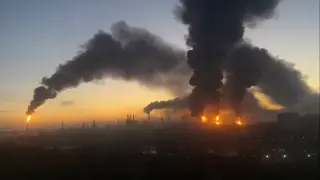
The US administration is pressuring Kyiv to halt deep strikes on Russian oil refineries by threatening to suspend the Prioritised Ukraine Requirements List (Purl) and intelligence sharing. This diplomatic push follows President Trump’s unilateral announcement of an 'energy ceasefire' on social media, a deal that Ukrainian officials deny exists. While the US seeks to stabilize global fuel prices through a new diesel agreement with Moscow, Kyiv maintains its strategy of degrading Russian refining capacity to undermine war funding.