
government-and-policy125.28 min read
Army Study Confirms ICE Shock Gloves Cause Pain and Fear
2 days ago•Source: AP News

The latest government and policy stories, each synthesized from multiple sources with added background and context.
Federal employees and retirees will face an average 10.9% increase in health insurance premiums for 2027, marking the third consecutive year of double-digit hikes. While the rate of increase has slowed compared to 2026, the cumulative cost burden remains significant. The Office of Personnel Management (OPM) attributes the rise to higher costs for surgical services, prescription drugs, and behavioral health. Unions argue that these increases, combined with a proposed 2027 pay freeze, effectively reduce take-home pay and hinder recruitment. Open Season for plan selection runs from November 9 to December 14, 2026.

TechCrunch•1 year ago
NBC News•2 years ago
The U.S. Office of Management and Budget has updated how it classifies people by race and ethnicity for the first time in over 25 years, combining questions on federal forms and adding a "Middle Eastern or North African" category. The changes aim to better capture the country's diversity and provide policymakers with a more comprehensive view of the population. The revised standards, effective immediately, are expected to impact federal data collection forms, including census surveys, and guide analyses of various issues such as healthcare outcomes and redistricting.
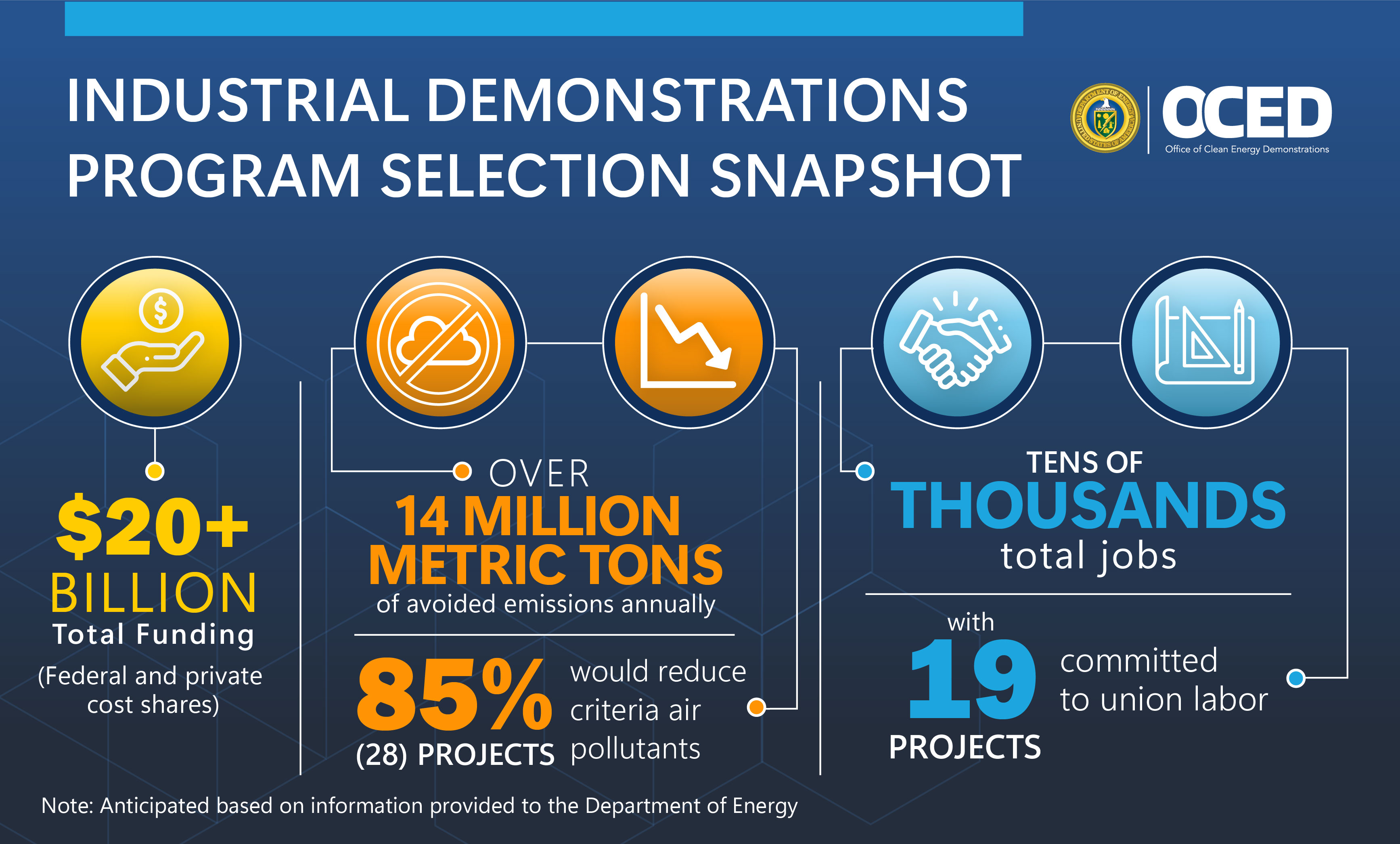
The Biden-Harris Administration has announced a $6 billion investment in 33 projects across more than 20 states to decarbonize energy-intensive industries, reduce industrial greenhouse gas emissions, create and maintain high-quality jobs, revitalize industrial communities, and strengthen domestic manufacturing competitiveness. The projects will focus on industries such as aluminum, cement, chemicals, iron, and steel, and are expected to reduce over 14 million metric tons of carbon dioxide emissions annually. This transformative federal investment aims to position American manufacturers and workers to lead the global clean energy economy, while also prioritizing community and labor engagement, particularly in disadvantaged communities.
The Biden-Harris Administration is taking steps to enhance the cybersecurity of U.S. ports and strengthen the nation's maritime infrastructure. This includes issuing an Executive Order to address maritime cyber threats, implementing cybersecurity standards for American ports, and investing over $20 billion in U.S. port infrastructure. Additionally, the U.S. Coast Guard will issue a Maritime Security Directive on cyber risk management for cranes manufactured by the People’s Republic of China, and a Notice of Proposed Rulemaking on cybersecurity in the Marine Transportation System. The Administration aims to bring domestic onshore manufacturing capacity back to America to provide safe, secure cranes to U.S. ports, as part of its efforts to bolster supply chain resilience and national security.
The Biden-Harris Administration has announced the recipients of over $530 million in investment through the U.S. National Science Foundation's Regional Innovation Engines program, aiming to boost economic growth and innovation in 10 U.S. regions over the next decade. These investments will focus on various sectors such as semiconductor manufacturing, clean energy, sustainable textiles, climate-resilient agriculture, regenerative medicine, and more. The program, authorized by the bipartisan CHIPS and Science Act, aims to stimulate economic growth and create job opportunities across communities, aligning with President Biden's economic vision. Additionally, the NSF is inviting 15 other teams to pursue NSF Regional Innovation Engine Development Awards, further diversifying and expanding the program's impact across the country.

Treasury Secretary Janet Yellen announced that 100,000 businesses have joined a new database collecting "beneficial ownership" information to unmask shell company owners, emphasizing the U.S.'s commitment to preventing illicit financial activities. The database, part of the Biden administration's push for corporate transparency, is a result of the bipartisan Corporate Transparency Act. Yellen also discussed upcoming real estate rules to increase transparency and address money laundering risks. Despite legal challenges, Yellen emphasized the benefits of corporate transparency in protecting national security and the economy.

Treasury Secretary Janet Yellen announced that 100,000 businesses have joined a new database collecting beneficial ownership information to unmask shell company owners, emphasizing the U.S.'s commitment to preventing the misuse of shell companies and money laundering. The database, established as part of the Corporate Transparency Act, requires most U.S. firms to report identifying information about their owners or controllers. Yellen also discussed upcoming real estate rules aimed at increasing transparency in property ownership, highlighting the importance of corporate transparency in protecting national security and the economy.
Deputy Attorney General Lisa O. Monaco announced a new Safe Harbor Policy for voluntary self-disclosures made in connection with mergers and acquisitions. The policy aims to encourage the disclosure of misconduct and hold individual wrongdoers accountable. Monaco highlighted the expansion of corporate enforcement efforts in the national security realm, the use of new tools to penalize corporate misconduct and incentivize good corporate citizenship, and the importance of compliance in protecting national security. She also discussed the new Mergers & Acquisitions Safe Harbor policy, which provides a presumption of declination for acquiring companies that promptly and voluntarily disclose criminal misconduct, cooperate with investigations, and engage in appropriate remediation. Monaco emphasized the need for companies to prioritize compliance and effective due diligence in order to mitigate risks and protect shareholders.

Ohio's new two-year budget brings significant changes for Ohioans, including tax cuts for income earners, elimination of the Commercial Activities Tax for most businesses, sales tax exemptions for baby items, and the creation of a universal school voucher program. Other notable changes include increased funding for mental health services, improvements in affordable housing, and investments in education and infrastructure. The budget also addresses various issues such as nursing home oversight, parental leave for state employees, and restrictions on social media use.