
Disaster and Native Status: New Medicaid Work Rules Create Coverage Gaps
New Medicaid work rules, effective January 2027, require adults in 43 states to work 80 hours monthly. While disasters and Native American status offer exemptions, inconsistent state implementation and delayed federal declarations risk coverage loss for vulnerable populations.
Key points
- The One Big Beautiful Bill Act mandates 80 monthly hours of work, school, or volunteering for Medicaid enrollees in 43 states and D.C., starting January 1, 2027.
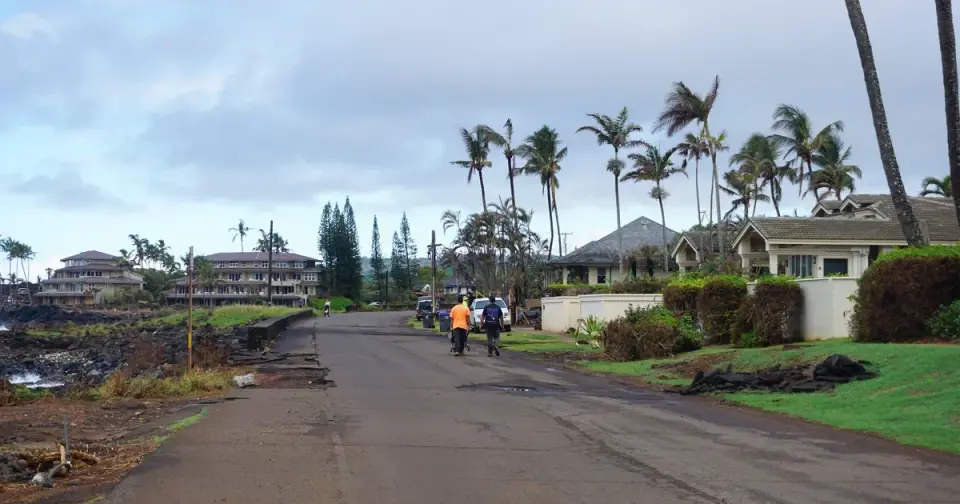
- Hawaii’s Kauaʻi saw unemployment claims jump from 69 to 1,800 after Hurricane Lowell, yet unclear federal disaster declaration timelines complicate hardship exemptions.
- American Indians and Alaska Natives are exempt from work rules, but 87% live outside tribal areas, and states lack standardized methods to verify this status.
- CMS allows states to delay enforcement until June 30, 2027, but requires eligibility checks by January 1, creating a gap where people may lose coverage despite pending exemptions.
- Nebraska’s early rollout revealed administrative errors, with six residents losing coverage due to delayed disaster declarations, though officials later reprocessed their eligibility.
Background
Previous coverage noted CMS’s optional six-month delay for work rule enforcement and a federal judge blocking strict 'medically frail' exemptions. Nebraska’s May 2026 rollout highlighted administrative chaos, while SNAP work rules similarly burdened caregivers. These developments underscore ongoing tensions between federal mandates and state implementation capabilities.
How outlets are covering it
KFF Health News emphasizes the human impact of delayed disaster declarations in Hawaii and Nebraska, noting that 34 states plan to adopt hardship exemptions. Medical Daily and NationofChange focus on the lack of standardized proof for Native American exemptions, warning that 850,000 Native Americans lost coverage during the 2023 Medicaid unwinding. CMS maintains that its rules ensure exemptions apply only when disasters directly hinder compliance, while Democratic governors criticize the administration’s high denial rate for disaster declarations. Tribal leaders argue that without federal guidance, states will create fragmented processes that exclude urban Native residents.
Why it matters
The interplay between disaster relief and Medicaid eligibility determines whether millions retain health coverage during economic shocks. Inconsistent state verification of Native American status and delayed federal declarations could disenroll vulnerable populations, straining emergency rooms and delaying economic recovery in disaster-stricken areas.
What to watch
States must finalize verification systems by January 1, 2027, with CMS requiring notice by December 11 for those opting into the June 30 delay. Democrats in Congress aim to roll back the requirements, potentially shifting the full enforcement deadline to June 30. Tribal leaders urge CMS to issue standardized guidance on proof of Native status before states finalize their processes.
- When disaster strikes, Medicaid work rules add barriers for potential enrollees CBS News
- Medicaid's Native American exemption applies in cities too—but inconsistent state checks could still put coverage at risk Medical Daily
- Medicaid work rules don’t apply to Native Americans. They could still lose coverage. Buffalo News
- Native Americans are exempt from Medicaid work rules, but proof varies NationofChange
- Medicaid work rules don’t apply to Native Americans. They could still lose coverage Arizona Daily Sun
Want the full story? Read the original reporting
Read on CBS News