
Nebraska’s Early Medicaid Work Rules Trigger Coverage Gaps and Administrative Chaos
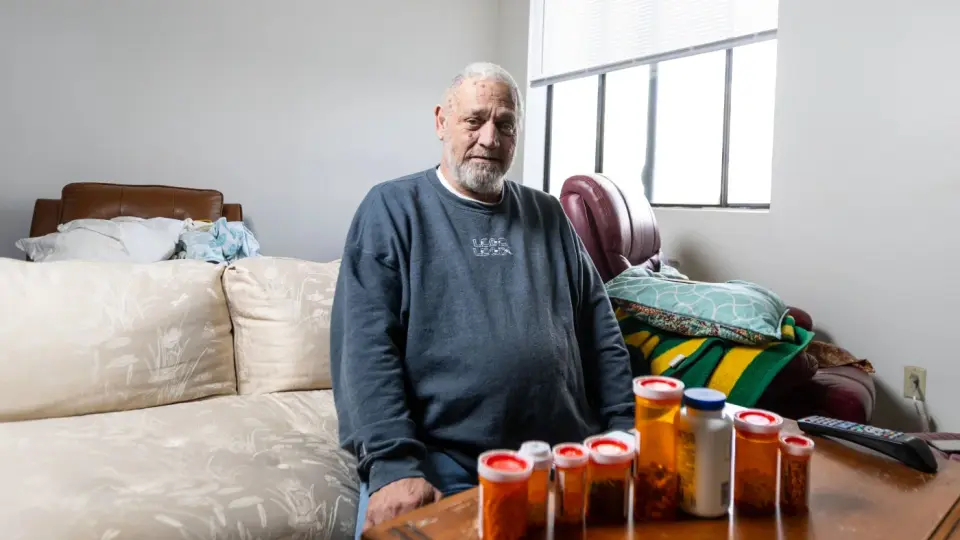
Nebraska became the first state to enforce federal Medicaid work requirements on May 1, 2026, ahead of a national January 2027 deadline. While state officials cite high compliance rates, advocates report widespread confusion, delayed care, and administrative errors. A recent case involving a cancer patient highlights the human impact of these rapid policy changes.
Key points
- Nebraska implemented Medicaid work requirements on May 1, 2026, eight months before most states, under the One Big Beautiful Bill Act.
- Approximately 70,000 adult recipients in Nebraska are subject to the rules, requiring 80 hours of monthly work or community engagement.
- State officials claim 93% of existing enrollees retained coverage, but advocates report significant confusion and administrative failures.
- Eli McCreary, a 64-year-old cancer patient, reported losing coverage due to work requirement issues, though state officials attribute his status change to aging into Medicare.
- Nebraska spent $8.2 million on contractors to implement the changes, with critics citing inadequate staffing and training.
Background
The One Big Beautiful Bill Act, signed in July 2025, introduced strict work requirements for Medicaid recipients. Nebraska’s early rollout serves as a test case for the broader national implementation scheduled for January 2027. Previous coverage noted that over 1,000 Nebraskans lost coverage due to procedural errors, and a federal judge recently blocked strict 'medically frail' exemptions, allowing states time to adjust verification systems before the national mandate.
How outlets are covering it
Nebraska officials, including Gov. Jim Pillen and health department spokesperson Jeff Powell, emphasize the success of the rollout, citing data that 93% of enrollees kept coverage and 86% of applicants met requirements or qualified for exclusions. They attribute any issues to individual non-compliance or aging out of the program. Conversely, advocates like Sarah Maresh of Nebraska Appleseed and Kenny McMorris of the Charles Drew Health Center argue the rollout was rife with problems due to poor training, inadequate staffing, and confusing communication. They highlight cases like Eli McCreary’s, where patients faced delayed care and confusion about their eligibility. The Pittsburgh Post-Gazette and New Mexico Health Care Authority report on proactive measures in other states, such as coordinated outreach and information sessions, to mitigate similar issues, contrasting with Nebraska’s more contentious implementation.
Why it matters
The Nebraska experience offers a preview of the challenges facing over 40 states as they implement federal Medicaid work requirements in January 2027. The Congressional Budget Office estimates these changes will leave 5.3 million more people uninsured by 2034. The administrative burden, cost, and potential for coverage gaps could significantly impact access to healthcare for vulnerable populations, raising questions about the feasibility and fairness of the new policy.
What to watch
Most states are set to enforce Medicaid work requirements in January 2027. Democrats in Congress have pledged to repeal the changes in their first 100 hours in office, but President Trump could veto such efforts. States like Pennsylvania and New Mexico are preparing extensive outreach and support systems to help residents navigate the new requirements, aiming to prevent coverage losses. Nebraska’s experience may influence how other states approach implementation, potentially leading to further legal challenges or policy adjustments.
- Nebraska rushed Medicaid work rules. Then a cancer patient was told he’d lost coverage NPR
- Medicaid in Ohio: How Amy Acton plans to respond to 2027 federal changes NBC4 WCMH-TV
- ‘All hands on deck’: Allegheny County takes coordinated approach to helping residents maintain Medicaid coverage Pittsburgh Post-Gazette
- Time is ticking as officials warn about new Medicaid rules KFOR
- Keep Your Benefits NM information session coming to Santa Fe Nov. 10 EIN Presswire
Want the full story? Read the original reporting
Read on NPR