
Utah Advocates Warn of Medicaid Losses as Federal Cuts Loom
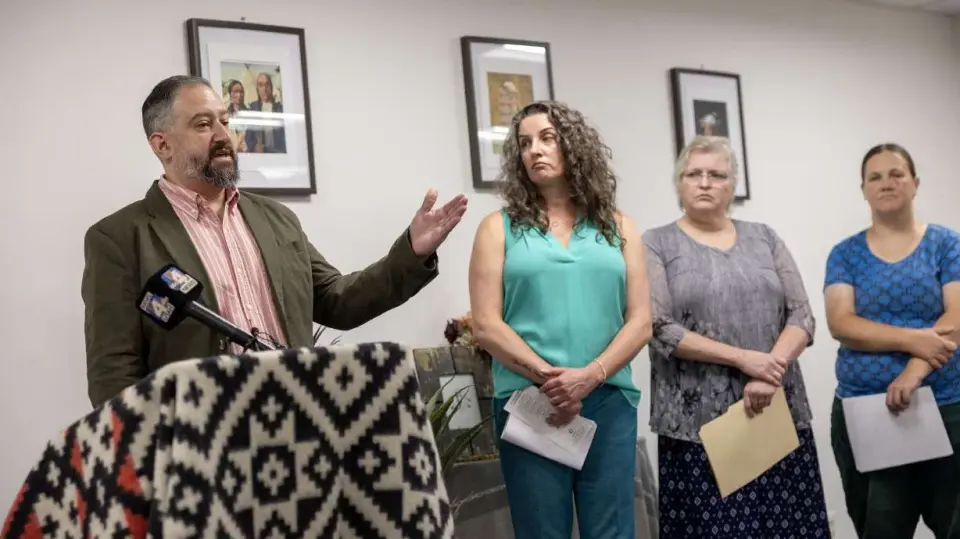
Utah patient advocates and healthcare providers are urging protection of Medicaid as significant federal cuts take effect next year. While the 'One Big Beautiful Bill Act' has not yet fully implemented its major provisions, enrollment has already declined. Critics warn that new work requirements and eligibility restrictions will disproportionately impact people with disabilities and those in rural areas, potentially leading to increased costs for hospitals and taxpayers.
Key points
- The Protect Medicaid Coalition in Utah opposes pending cuts from the 'One Big Beautiful Bill Act' and a proposed federal rule imposing stricter work requirements.
- Congressional Budget Office estimates 7.5 million Americans could lose coverage by 2034 due to the bill's provisions.
- Sacred Circle Healthcare reports a 20% drop in Medicaid appointments and increased administrative burdens on staff.
- Advocates argue that cutting Medicaid shifts costs to emergency rooms and taxpayers rather than eliminating healthcare needs.
- Brenda Oluwalana, a Medicaid recipient, testified that the program prevented permanent blindness and total dependence on others.
Background
Previous coverage noted that Medicaid cuts have already reduced access to GLP-1 weight-loss drugs for low-income patients, with coverage shrinking from one-third of states to one-fifth. Additionally, earlier reports highlighted how Republican policy moves, including vaccine rollbacks and nutrition cuts, have been framed as fiscal discipline but have raised concerns about child health and disease risk. These developments suggest a broader trend of tightening healthcare access and increasing administrative hurdles for vulnerable populations.
How outlets are covering it
KSL.com emphasizes the human impact of potential Medicaid cuts, highlighting personal stories like Brenda Oluwalana’s near-blindness and the administrative strain on clinics like Sacred Circle Healthcare. FactCheck.org provides a broader national context, noting that while enrollment has dropped by 8 million since early 2025, most of the OBBBA’s major provisions have not yet taken effect. FactCheck.org attributes current declines to expired subsidies, immigration-related fears, and state-level restrictions, rather than the OBBBA itself. KSL focuses on the imminent threat of work requirements, while FactCheck.org clarifies that the full impact of the bill is still pending, with most provisions set to take effect in late 2026 or 2027.
Why it matters
The potential loss of Medicaid coverage could lead to increased emergency room visits, higher costs for hospitals, and a rise in uninsured patients. This shift could disproportionately affect people with disabilities, mental illness, and substance use disorders, as well as those in rural areas. The administrative burden on healthcare providers may reduce direct patient care, exacerbating healthcare disparities and straining local resources.
What to watch
The full impact of the OBBBA’s Medicaid provisions is expected to take effect in late 2026 or 2027. Nebraska and Montana have already implemented work requirements early, with Iowa set to follow on December 1. Advocates will continue to push for protections against the proposed federal rule, and detailed data on who is losing coverage may become available in the coming months.
- 'Inexpressibly grateful': Utah advocates call to protect Medicaid from cuts KSL.com
- One Big Beautiful Bill Not (Yet) Driving ACA, Medicaid Declines FactCheck.org
- How Utahns say Medicaid cuts would impact them Deseret News
- Historic Medicaid cuts are a body blow to vulnerable Americans (Guest Opinion by Jamila Michener) Syracuse.com
- Understanding Medicaid’s new reality: here’s the breakdown CaloNews.com
Want the full story? Read the original reporting
Read on KSL.com