
25 Years After 9/11: A New Bell Honors the Rising Toll of Long-Term Illness
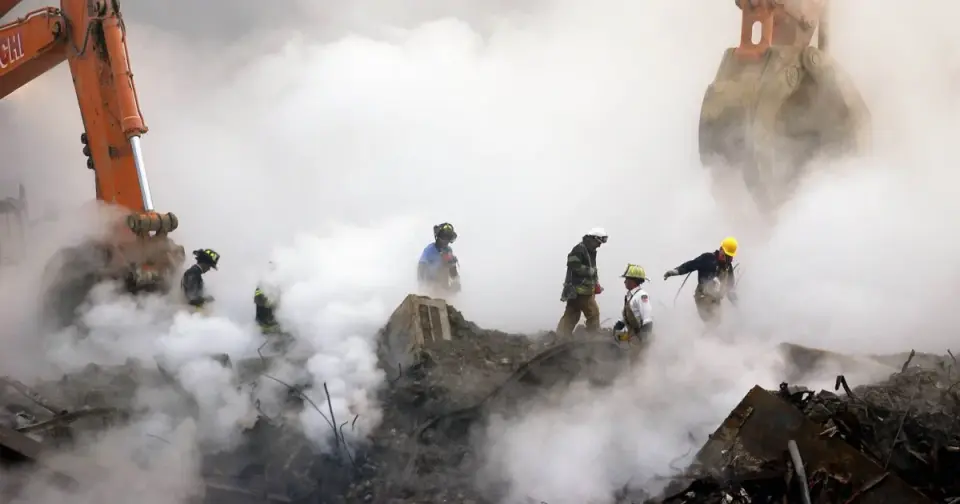
Twenty-five years after the September 11 attacks, the National September 11 Memorial & Museum has added a seventh moment of silence to honor thousands who have died from illnesses linked to toxic exposure. Health officials report a surge in compensation claims and emerging cases of early-onset dementia among survivors. While the World Trade Center Health Program has expanded to include residents and students, experts warn that many remain excluded from long-term studies due to gaps in initial environmental data.
Key points
- The 25th anniversary ceremony will include a new seventh moment of silence at 12:30 p.m. to mourn those who died from 9/11-related diseases, a toll that now exceeds the number of people killed on the day of the attacks.
- The September 11th Victim Compensation Fund is receiving over 800 new applications monthly, a 200-per-month increase from 2023, with payouts reaching nearly $2 billion for 9,800 cases last year.
- Dr. Benjamin J. Luft reports a rise in cognitive disorders and early-onset dementia among young patients exposed to toxic dust, distinguishing these cases from idiopathic Alzheimer's disease.
- Newly released city records reveal that officials previously misled the public about air quality safety at Ground Zero, complicating efforts to reconstruct exposure levels for survivors.
- The World Trade Center Health Program has enrolled over 154,000 people, but experts note that fewer than 60,000 non-responder survivors are enrolled, despite an estimated 400,000 qualifying individuals.
Background
This development follows years of advocacy for the James Zadroga 9/11 Health and Compensation Act, which established the World Trade Center Health Program in 2011. Previous coverage has highlighted the long-term health impacts of environmental toxins, such as the emerging links between PFAS exposure and colorectal cancer, and the elevated cancer risks faced by aircrew due to radiation. The 9/11 crisis underscores how environmental exposure can have delayed, multi-decade consequences, mirroring concerns about wildfire smoke and other environmental hazards.
How outlets are covering it
WSHU emphasizes the equity gap in health studies, noting that socio-economic status and language barriers influence who receives follow-up care. CNN focuses on the emotional and bureaucratic struggle for recognition, highlighting the release of records showing city officials lied about air quality. The New York Times highlights the under-studied population of children and residents, noting that research has historically focused on first responders. USA Today provides a factual overview of the new memorial ceremony, emphasizing the permanent addition of the seventh moment of silence to honor the ongoing toll.
Why it matters
The 25th anniversary marks a shift in how society views the 9/11 attacks, moving from a single-day tragedy to a long-term public health crisis. The addition of the seventh moment of silence and the surge in compensation claims signal that the human cost of the event is still growing. It highlights the need for broader inclusion in health studies and the importance of accurate environmental data for future disaster response.
What to watch
The World Trade Center Health Program will continue to expand its outreach to non-responder survivors. The September 11th Victim Compensation Fund will process the increased volume of applications. Researchers will continue to study the link between toxic exposure and early-onset dementia. The seventh moment of silence will become a permanent part of future 9/11 commemoration ceremonies.
- 25 years after 9/11, survivors face emerging health risks WSHU
- Why there will be a new moment of silence at this year’s Ground Zero ceremony CNN
- 9/11’s Dust and Ash Coated Their Childhood. Is It Still Making Them Ill? The New York Times
- 9/11 memorial ceremony adds 7th moment of silence USA Today
- Cancer’s toll on 9/11 survivors is accelerating 25 years later The Washington Post
Want the full story? Read the original reporting
Read on WSHU