
Canada Defends Sovereignty After Pentagon Rebuke Over Defense Spending
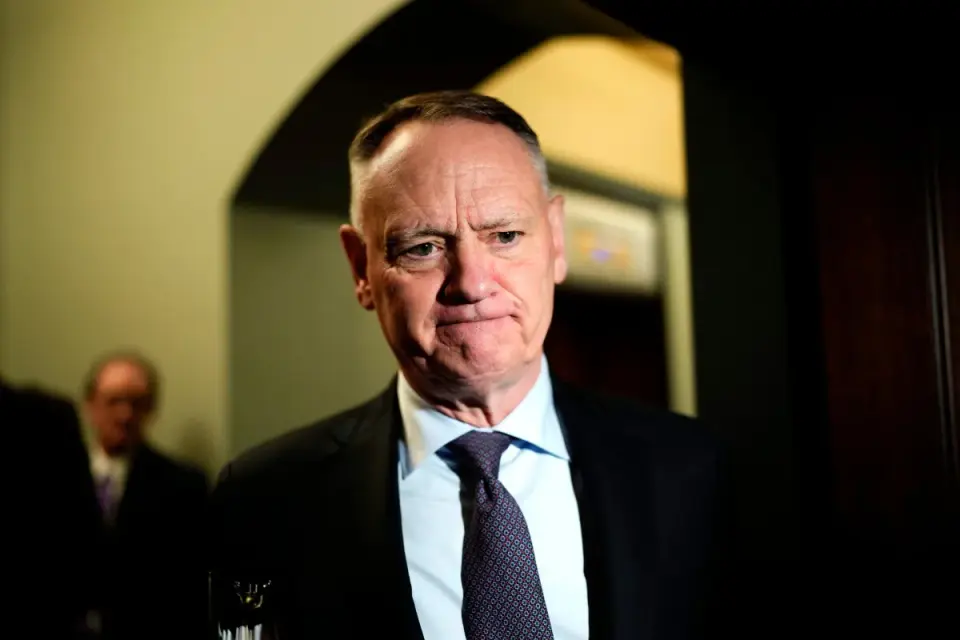
Canadian Defense Minister David McGuinty asserted that Canada is a sovereign nation that does not answer to Washington, responding to a sharp Pentagon critique of Ottawa’s defense spending and military readiness. The U.S. Department of Defense accused Canada of relying on American taxpayers and failing to meet NATO targets, while Canada maintains it is on track to reach 5% of GDP for defense by 2035. Tensions are compounded by U.S. restrictions on informal military interactions and a Canadian review of the F-35 fighter jet purchase, though both sides confirm core operational cooperation remains intact.
Key points
- Defense Minister David McGuinty stated Canada is a sovereign nation that does not report to the United States, directly countering Pentagon accusations of insufficient defense commitment.
- The Pentagon criticized Canada for lacking a credible plan to meet NATO spending targets and accused Ottawa of delaying major spending increases until after the 2029 federal election.
- Canada projects defense and security spending will reach 4% of GDP by 2030, up from 1.25% fourteen months ago, with a goal of 5% by 2035, though parliamentary watchdogs have questioned the feasibility of this target.
- U.S. Defense Secretary Pete Hegseth issued a classified directive restricting Pentagon officials from attending events like the Halifax International Security Forum, a move criticized by Democratic Sen. Andy Kim but described by Republican Sen. Mike Rounds as not affecting joint operations.
- Canada is reviewing its planned purchase of 88 U.S.-made F-35 fighters, considering Swedish-made Gripen jets, following U.S. threats to Canadian sovereignty and trade tensions.
Background
This dispute occurs amid broader strain between the two nations due to U.S. President Donald Trump’s trade war and threats to annex Canada. Recent weeks have seen escalating friction, including U.S. restrictions on informal military social ties intended to pressure Ottawa on defense spending, and Canadian Prime Minister Mark Carney’s signals to pivot toward Chinese automakers if U.S. trade talks fail. These developments follow a period of heightened diplomatic tension, with the U.S. emphasizing the need for Canada to 'get serious' about military readiness while Canada insists its core cooperation through NORAD and NATO remains unchanged.
Why it matters
The confrontation highlights a fundamental shift in North American security dynamics, where traditional alliances are being tested by trade disputes and unilateral U.S. pressure. If Canada successfully navigates its defense spending targets while maintaining sovereignty, it could set a precedent for other NATO allies facing similar demands. Conversely, continued friction could undermine the collective defense framework that has anchored regional stability for decades, potentially forcing a reevaluation of U.S. reliance on allied contributions versus direct American expenditure.
What to watch
Watch for Canada’s 2029 NATO review, which will assess the pace and balance of its 5% GDP defense commitment. Additionally, monitor the outcome of Canada’s F-35 purchase review, as a shift to Swedish Gripen jets could signal a deeper decoupling from U.S. defense procurement. Diplomatic channels may also see further tension if U.S. restrictions on informal military interactions expand or if trade negotiations fail to resolve the current impasse.
Want the full story? Read the original reporting
Read on AP News