
25 Years After 9/11: A New Wave of Cancers and Staffing Crises
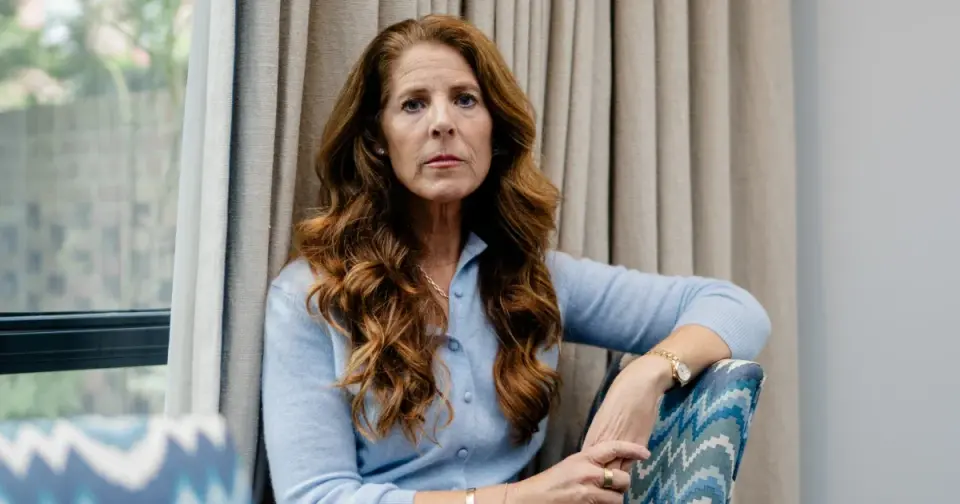
Twenty-five years after the September 11 attacks, a new wave of illnesses is emerging among responders and survivors. Over 10,000 people were diagnosed with 9/11-related cancers in the past year alone. While the World Trade Center Health Program received permanent funding, it faces severe staffing shortages that delay care and research. Experts warn that toxic exposure continues to cause rare cancers and early-onset dementia, with compensation claims rising significantly.
Key points
- More than 10,000 individuals were diagnosed with 9/11-related cancers in the last year, marking a significant increase in late-onset illnesses.
- The World Trade Center Health Program’s staff count dropped from 93 to 83 in 2025 due to federal layoffs, though some positions have since been restored.
- The September 11 Victim Compensation Fund receives over 750 new claims monthly, up from 2023 levels, as more survivors report symptoms.
- Medical experts are identifying early-onset dementia and rare cancers linked to toxic dust and silica exposure at Ground Zero.
- Congress provided permanent funding for the health program, but advocates argue that slow hiring and administrative bottlenecks hinder patient care.
Background
The World Trade Center Health Program was established to monitor and treat first responders and survivors exposed to toxic debris after the 2001 attacks. Previous coverage in August 2026 highlighted general cancer trends and early detection, but the 9/11 cohort faces unique environmental exposure risks. The program has long struggled with defining which conditions qualify for coverage, a process that remains slow due to staffing issues.
How outlets are covering it
NBC News emphasizes the human toll, citing a former producer’s cancer diagnosis and the sheer volume of new cases. WMUR highlights the emotional impact on families, noting that 600 FDNY members have died since 9/11, nearly twice the number killed in the attacks. Politico focuses on the administrative crisis, detailing how DOGE-driven layoffs reduced staff and delayed approvals, despite White House claims of restoration. WSHU points to equity issues, noting that many survivors are excluded from long-term studies due to lack of environmental sampling and socioeconomic barriers. While the White House claims nearly 40 positions were filled, advocates dispute this, stating only four hires have occurred.
Why it matters
The rising number of diagnoses 25 years later underscores the long-term health costs of environmental disasters. The staffing crisis threatens the ability to process claims and conduct research, potentially delaying treatment for thousands. As new conditions like dementia emerge, the need for accurate exposure data and robust federal support becomes critical for survivors and their families.
What to watch
The World Trade Center Health Program is attempting to fill 37 vacant positions, though the process is slow. Advocates are petitioning to add ischemic cardiovascular disease and cognitive deficits to covered conditions. The program is also preparing for a transition in administrative contractors, which could further strain its depleted workforce. Compensation claims are expected to continue rising as more survivors become aware of their eligibility.
- ‘Did you get cancer yet?’: 25 years after 9/11, more and more people are getting sick NBC News
- 25 years later, the toll of 9/11-related illnesses continues to grow WMUR
- A federal health program for 9/11 responders is still short-staffed Politico
- 25 years after 9/11, survivors face emerging health risks WSHU
- PTSD symptoms linger for 9/11 first responders, expert says WBAL-TV
Want the full story? Read the original reporting
Read on NBC News