
California’s Medi-Cal Rollbacks Threaten to Double Uninsured Rate by 2030
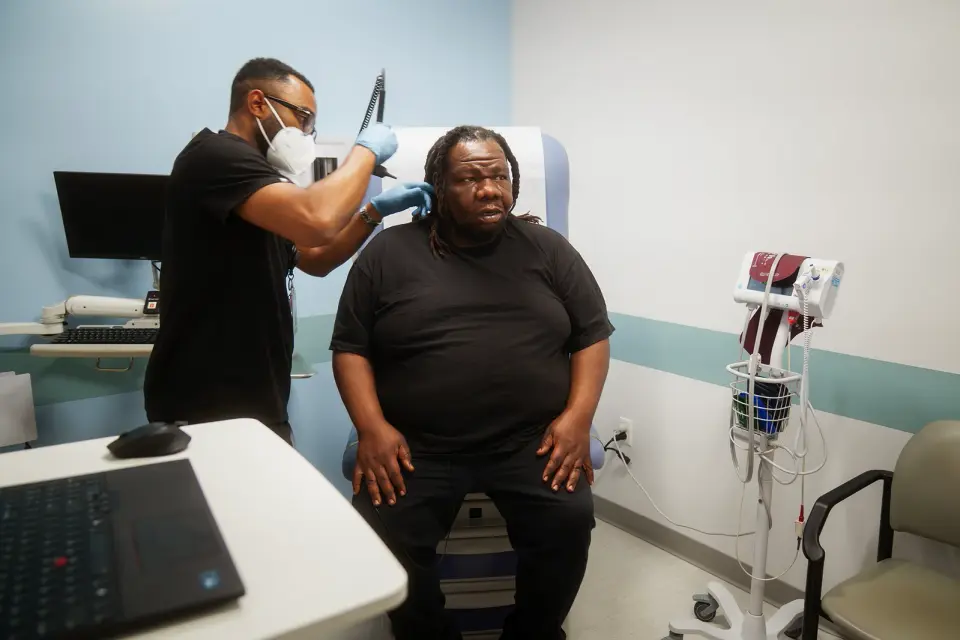
California’s recent push toward universal healthcare is reversing as state and federal budget cuts threaten to leave millions uninsured. While the state reached a 95% insured rate in 2024, analysts project the uninsured rate could nearly double to 15% by 2030. The changes disproportionately impact undocumented immigrants, low-income residents, and communities in Southern California, with 2.2 million people potentially losing coverage over the next four years.
Key points
- UC Berkeley and UCLA researchers estimate 2.2 million Californians will lose insurance by 2030 due to combined state and federal cuts.
- The uninsured rate is projected to rise from under 5% to nearly 15%, with the sharpest increases among Black, Asian, and Latino residents.
- California froze new Medi-Cal enrollment for undocumented adults in January 2026, removing approximately 86,000 people from coverage.
- Starting in 2027, most adults aged 19-64 must prove 80 hours of work or volunteering monthly to retain benefits, a change that could disenroll 1.3 million people.
- San Francisco has allocated $34 million in emergency funds to support residents losing coverage, though local officials warn their safety net cannot cover all affected individuals.
- Federal restrictions under the 'One Big Beautiful Bill' are expected to reduce state funding by over $30 billion annually by 2027.
Background
California achieved a record 95% insured rate in 2024 after expanding Medi-Cal to include undocumented adults and low-income childless adults. This expansion, which cost over $10 billion annually, was a central part of Governor Gavin Newsom’s healthcare agenda. However, the state has faced four consecutive years of budget deficits, leading to a shift from expansion to cost containment. The current budget, signed in June 2026, delays some deep cuts but introduces new eligibility barriers to manage the growing Medi-Cal spending, which has more than doubled since 2019.
How outlets are covering it
CalMatters and The Frisc emphasize the human toll of the cuts, highlighting how bureaucratic errors and complex rules are causing people to lose coverage despite meeting requirements. They note that the losses are not evenly distributed, with Southern California and immigrant communities bearing the brunt. In contrast, Republican lawmakers, such as Sen. Roger Niello, argue that the state’s spending problem is structural and pre-dates federal restrictions, blaming the state’s own budget deficits rather than Washington. Democrats, including Sen. Lena Gonzalez, criticize the administration for rolling back legacy work, while advocates like Health Access California express disappointment that the state is not championing coverage to the end. Local officials in San Francisco are attempting to bridge the gap with emergency funds, but acknowledge their safety net is insufficient for the scale of the projected losses.
Why it matters
The reversal of California’s healthcare progress threatens to create a two-tiered system of coverage, leaving millions without access to essential services. The cuts could lead to delayed medical care, increased emergency room visits, and a significant strain on local health systems. For vulnerable populations, including undocumented immigrants and low-income families, the loss of coverage could have life-or-death consequences, as seen in historical cases where lack of access led to preventable deaths. The situation also highlights the fragility of public health systems in the face of shifting political and economic priorities.
What to watch
The most significant changes are expected to take effect in 2027, including the implementation of work requirements and the reduction of benefits for refugees and asylum seekers. The state will also begin more frequent eligibility checks, potentially leading to more coverage lapses. Local governments and community organizations are ramping up outreach efforts to help residents navigate the changes, but the full impact will not be felt until the federal restrictions fully take effect in 2027. The next governor will face the toughest decisions on how to manage the resulting budget shortfalls and coverage gaps.
- 'We're just asking for some dignity': Inside California's Medi-Cal rollback CalMatters
- Community health workers help families navigate Medi-Cal changes Big News Network.com
- SF’s Healthcare Safety Net Only Covers Some Immigrants Facing Medi-Cal Cuts The Frisc
- Medi-Cal is changing. Here’s what to do if you’re worried about coverage News From The States
- California Nearly Achieved Universal Healthcare. Now, Millio... The Sacramento Observer
Want the full story? Read the original reporting
Read on CalMatters