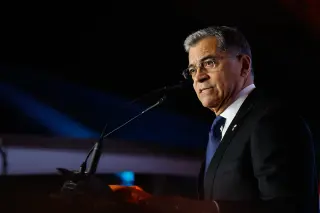
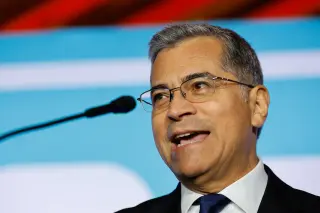
The nonpartisan Legislative Analyst’s Office (LAO) warns that California faces a $2 billion deficit for fiscal year 2027-28, with the gap potentially widening to $35 billion annually by 2028-29 if the AI-driven stock market crashes. Incoming Governor-elect Xavier Becerra must address structural imbalances, including $30 billion in debt, before his January budget proposal.
Xavier Becerra, California’s next governor, will take office in January 2027 with a pragmatic approach to policy, focusing on incremental changes rather than sweeping progressive reforms. He faces immediate challenges including a budget deficit, wildfire costs, and federal healthcare cuts. Key priorities include potential new taxes on corporations and drivers, a 'power hour' program for low-income households, and reversing restrictions on Medi-Cal for undocumented immigrants. He will also continue the state's death penalty moratorium.
Proposition 40, a one-time 5% tax on California billionaires, is the central issue in the November 2026 election, with polls showing a narrow lead for supporters. Google co-founder Sergey Brin has spent over $100 million to defeat the measure, which aims to raise $100 billion to offset federal cuts to Medi-Cal. While opponents warn of tax flight and implementation challenges, experts note the tax is unique and difficult to predict. The measure has divided Democrats, with Governor Gavin Newsom opposing it in favor of a national wealth tax.
California’s recent push toward universal healthcare is reversing as state and federal budget cuts threaten to leave millions uninsured. While the state reached a 95% insured rate in 2024, analysts project the uninsured rate could nearly double to 15% by 2030. The changes disproportionately impact undocumented immigrants, low-income residents, and communities in Southern California, with 2.2 million people potentially losing coverage over the next four years.
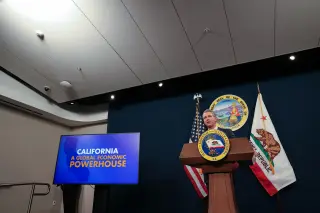
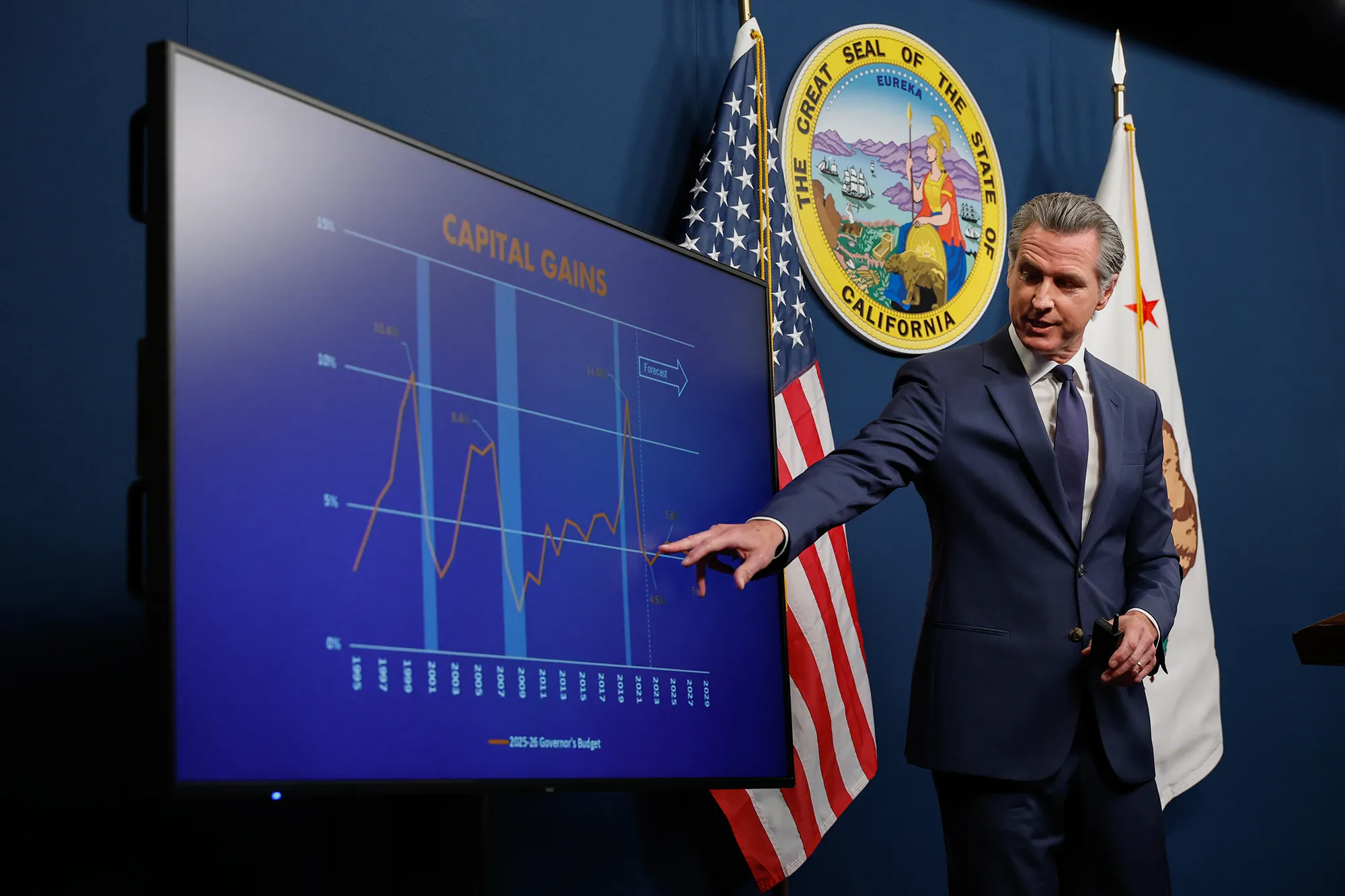
California Gov. Gavin Newsom signed his final state budget at $351.7 billion, largely funded by stock-market gains of the wealthy, and expanding programs like free school meals, universal transitional kindergarten, childcare slots and Medi-Cal. The plan raises concerns from analysts about a potentially temporary revenue bump and growing ongoing costs, with the LAO cautioning that the state has dipped into reserves to balance funds in recent years. Education and Medi-Cal remain the largest expenditures, while adjustments to asset limits and care delivery aim to control costs; the budget takes effect July 1.
California lawmakers plan a $356 billion budget that largely avoids Gov. Newsom’s social‑service cuts by delaying or softening them, expands TK‑12 and child‑care funding, increases county and homelessness support, and pursues new revenue ideas while aiming for a larger rainy‑day fund ahead of a June 25 ballot deadline.
California Gov. Gavin Newsom unveiled a revised 2026-27 budget that aims to balance the books for 18 months after he leaves, pairing continued reserves withdrawals with new cuts and a larger rainy-day fund to blunt a potentially long-term deficit. Fueled by a surge in tax revenue from California’s AI-driven tech sector, the plan projects a near $350 billion spending blueprint that still expects a deficit in 2028-29 and 2029-30, and it slashes general-fund spending by about $1.8 billion, mainly through Medi-Cal cuts and higher premiums for about 1.3 million undocumented immigrants while reinstating asset tests. Newsom would transfer money into the rainy-day fund and set aside billions for future years, while also funding targeted items like paid pregnancy leave for TK-12 and community college staff and literacy and math supports. The plan clashes with Democratic lawmakers over education funding levels, homelessness money, and corporate tax credits, and would impose new matching requirements on localities receiving homelessness funds. Negotiations continue, with a June 30 deadline for a final deal.
California’s Department of Justice and state agencies arrested five people as part of Operation Skip Trace in a crackdown on a hospice fraud ring that allegedly billed Medi-Cal for about $267 million while providing no real hospice services; 21 suspects face charges including conspiracy, healthcare fraud, money laundering and identity theft, with investigations ongoing into hundreds of hospices. A related federal case in April charged eight people with more than $50 million in fraud.
An Orange County man pleaded guilty to leading a scheme that billed Medi-Cal from May 2022 to April 2023 for expensive, often unnecessary drugs via Monte Vista Pharmacy, totaling nearly $270 million with about $178 million paid; funds were laundered and kickbacks were used, and he faces a statutory maximum of 30 years in prison at sentencing on August 3.
Through a personal toothache, the columnist shows that Medicare barely covers senior dental care and Medi-Cal reimbursements are limited, leaving many 65+ with high out-of-pocket costs, long delays, or no care at all; some travel to Mexico or Costa Rica for cheaper implants and crowns, while policy debates threaten to slash Medi-Cal funding, worsening access and driving preventable emergencies.
Gov. Gavin Newsom is counting on a federal extension of California’s MCO tax on Medi-Cal to cover about $1.1 billion in revenue for the coming budget year; without a six‑month reprieve, the state could face a larger hole as AI-driven revenue remains uncertain and federal rules tighten on how the tax is used.
California's budget outlook has worsened from a surplus to an $18 billion deficit due to unforeseen costs like wildfires, Medi-Cal expenses, and federal policy impacts, with projections indicating ongoing deficits and potential structural issues requiring revenue increases or cuts.
As California prepares for federal Medicaid funding cuts and policy shifts, a new commission led by former health officials is developing a 10-year plan to sustain and improve Medi-Cal, which covers over 14 million low-income residents, amid concerns about access, costs, and program growth.
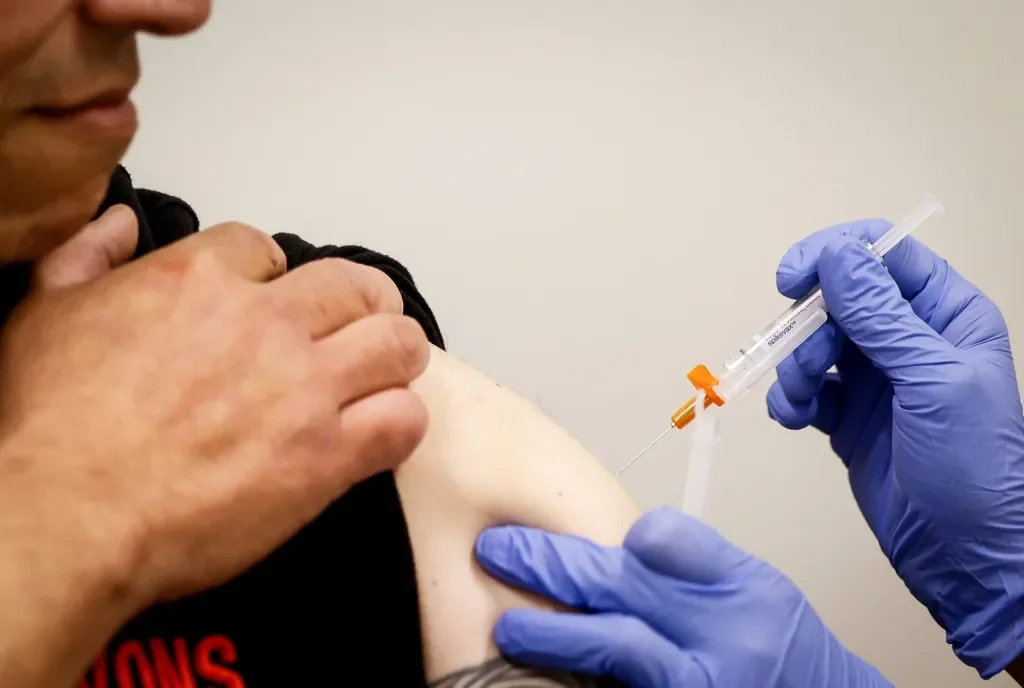
Experts warn that vaccine access and coverage this year will be complicated due to potential changes in federal vaccine recommendations, especially affecting Medi-Cal beneficiaries over 21, with private insurance plans likely to continue coverage. The situation may lead to unequal access, particularly impacting lower-income groups, as vaccine approval and distribution processes adapt to evolving federal guidelines and vaccine formulations.
During his first in-person town hall in years, Republican Rep. Doug LaMalfa faced a hostile crowd in Chico, California, who booed and heckled him over his support for a Trump-era budget bill that cuts federal spending on healthcare programs like Medicaid and Medi-Cal, with attendees accusing him of supporting legislation that would harm vulnerable populations. LaMalfa defended his vote, claiming the bill targets waste rather than people, while the crowd expressed strong opposition and concern over healthcare and immigration issues.