
25 Years Later, 9/11 Dust Exposure Drives Surging Cancer Rates Among Survivors and Children
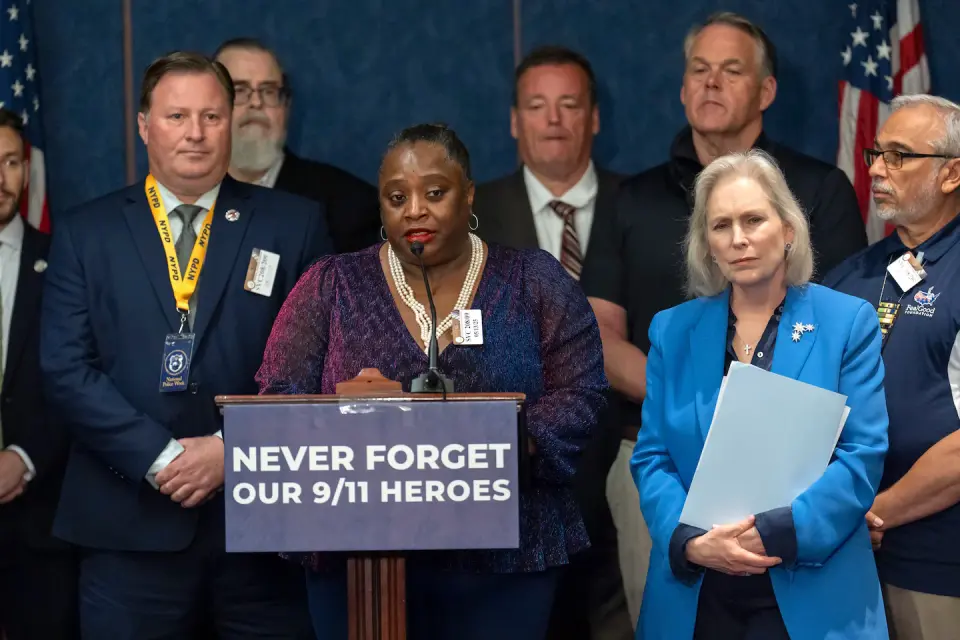
A Washington Post analysis reveals that cancer cases linked to the September 11 attacks have tripled in recent years, with the World Trade Center Health Program reporting record enrollment. While earlier research focused on emergency responders, new reporting highlights that civilians and children exposed to toxic dust are now facing significant health risks, including rare cancers, as the 25th anniversary approaches.
Key points
- The Washington Post reports that aid for cancer treatment among 9/11 victims has tripled in the last five years, coinciding with a surge in diagnoses.
- The New York Times highlights that children who were infants or toddlers during the attacks are now facing health issues, shifting focus from first responders to the broader civilian population.
- Survivors are reporting diverse and rare cancers, including thymus and neuroendocrine tumors, linked to exposure to toxic dust and debris from the collapsed towers.
- Mariama James, a survivor, notes that families are now proactively seeking medical checks for their children due to fears of long-term health consequences.
- The World Trade Center Health Program has seen a massive increase in certifications, with 67% of its 145,275 members certified for at least one cancer.
Background
This development follows earlier reports from August 2026 indicating that cancer certifications in the WTC Health Program rose from 3,204 in 2015 to 57,044 in 2026. Previous coverage noted that civilian survivors now outnumber responders in total cases, with post-9/11 illness deaths exceeding 9,400. The current reporting expands on these figures by focusing on the accelerating rate of new diagnoses and the specific impact on younger generations.
How outlets are covering it
The Washington Post emphasizes the statistical acceleration of cancer cases and the financial implications for the WTC Health Program, noting that the number of victims receiving aid has tripled. In contrast, The New York Times focuses on the human element and the long-term latency of the disease, specifically highlighting the plight of children who were exposed to dust as infants. While the Post notes that self-enrollment limits definitive conclusions about causality, the NYT presents the exposure as a clear health risk for the younger generation, illustrating a shift from immediate responder concerns to generational health impacts.
Why it matters
This story underscores the long-term, multi-generational health consequences of environmental disasters. It highlights the inadequacy of initial health assessments and the need for ongoing monitoring and funding for programs like the WTC Health Program. The surge in rare cancers and the involvement of children suggest that the health crisis is far from over, requiring sustained public health attention and resources decades after the initial event.
What to watch
Expect continued advocacy from survivors for expanded coverage and funding for the WTC Health Program, especially given the recent cuts protested by Mariama James. Medical experts will likely continue to study the link between 9/11 dust and rare cancers, potentially leading to updated guidelines for monitoring at-risk populations, including children and long-term survivors.
- Cancer’s toll on 9/11 survivors is accelerating 25 years later The Washington Post
- 9/11’s Dust and Ash Coated Their Childhood. Is It Still Making Them Ill? The New York Times
- VIDEO: The long death toll: How 9/11 is still claiming its first responders Reuters
- Decades after 9/11, toxic dust and PTSD may be accelerating brain aging among first responders PBS
- Firefighter, EMT, Stuyvesant High School Student Describe 9/11 Exposure & Long Fight for Healthcare Democracy Now!
Want the full story? Read the original reporting
Read on The Washington Post