
San Francisco teen’s death highlights cychlorphine threat
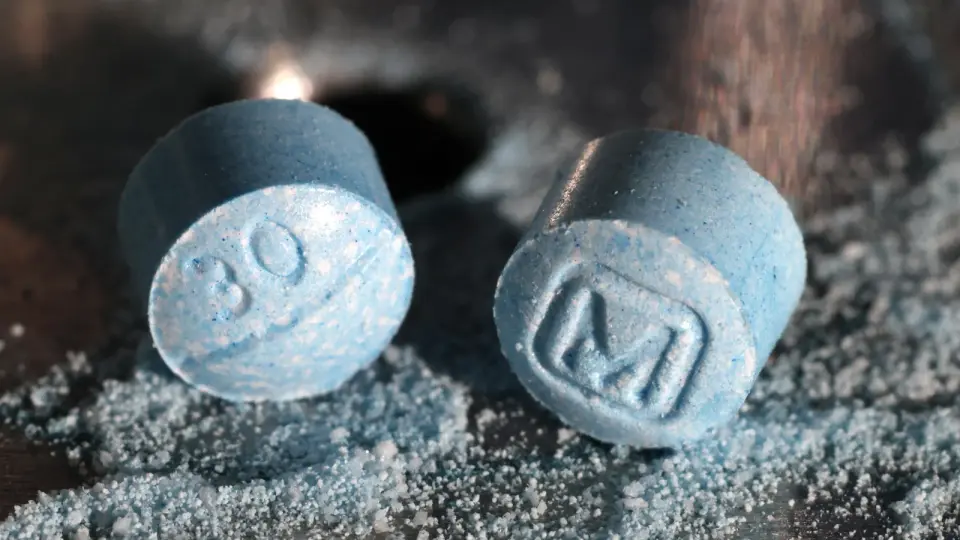
A 16-year-old San Francisco boy died in April after overdosing on cychlorphine, a synthetic opioid estimated to be ten times more potent than fentanyl. The case prompted local arrests and national warnings, as the drug is difficult to detect and resistant to standard reversal medication.
Key points
- Dante Lacourte, a 16-year-old from San Francisco, died in April 2026 after overdosing on cychlorphine, a new synthetic opioid.
- Cychlorphine is described as up to ten times more potent than fentanyl and is often mixed with other drugs like methamphetamine or cocaine.
- The Office of National Drug Control Policy linked the drug to 55 deaths nationwide between 2025 and 2026, with the majority occurring in Tennessee.
- San Francisco police arrested four suspects in September and seized over 20,000 counterfeit pills, identifying them as the source of the drugs Lacourte consumed.
- Naloxone (Narcan) failed to revive Lacourte, and standard toxicology tests often fail to detect the substance, complicating emergency response.
- The DEA categorized cychlorphine as a Schedule I substance in July 2026, but detection tools and policy have not yet fully caught up with its spread.
Background
Synthetic opioids have become a leading cause of overdose deaths in the United States. Cychlorphine, also known as N-Propionitrile Chlorphine, emerged as a designer drug in 2024, originating in China before spreading to Europe and the US. It belongs to a subclass of 'orphines' that mimic established opioids while evading legal regulations and standard drug tests. Previous local coverage noted that San Francisco’s public health officials are using wastewater monitoring to track these emerging substances, following a history of being caught off guard by the fentanyl crisis.
How outlets are covering it
USA TODAY emphasizes the national scale of the threat, citing ONDCP data on 55 deaths and the DEA’s scheduling decision. The New York Times focuses on the personal tragedy, detailing the mother’s failed attempt to use Narcan and the city’s determination to prevent a repeat of the fentanyl crisis. NBC Bay Area highlights the law enforcement response, noting the joint press conference by the mayor, police chief, and district attorney regarding the four arrests and seizure of 20,000 pills. While all sources agree on the drug’s potency and danger, USA TODAY and NBC Bay Area stress the investigative and legal outcomes, whereas The New York Times centers on the human impact and public health warnings.
Why it matters
Cychlorphine poses a unique danger because it is undetectable by most hospital and first-responder tests and may not respond to naloxone. Its extreme potency means even small doses can cause fatal respiratory failure. As the drug spreads across multiple states, including California, Tennessee, and Texas, the lack of detection tools and effective reversal treatments creates a significant public health emergency that outpaces current regulatory and medical responses.
What to watch
Health officials continue to develop detection methods for cychlorphine and other orphines. State and federal governments are issuing warnings as the drug’s presence is confirmed in more locations. Investigations into the San Francisco case may lead to further arrests, while public health campaigns aim to educate residents about the risks of street-level drugs that may contain these undetectable, ultra-potent substances.
- Teen's death sparks warning over opioid stronger than fentanyl USA Today
- A Teen Autopsy Marks the Arrival of a Deadly Drug in San Francisco The New York Times
- San Francisco boy’s death marks city’s first cychlorphine OD KRON4
- Cychlorphine: New opioid stronger than fentanyl linked to San Francisco teen's overdose death, Mayor Daniel Lurie says; 4 arrested ABC7 Bay Area
- Four arrested in San Francisco overdose death linked to new synthetic opioid cychlorphine nbcbayarea.com
Want the full story? Read the original reporting
Read on USA Today