Newsday revisits the 2011 Medford pharmacy killings—where a lone gunman killed four people but stole nothing—using the case to highlight Long Island’s ongoing opioid crisis and its impact on policy, health, and community safety.
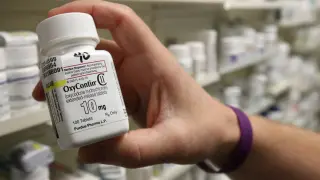
Purdue Pharma shut down on May 1 as part of a $7.4 billion settlement tied to thousands of opioid-related lawsuits, and its bankruptcy plan creates Knoa Pharma, a nonprofit public-benefit corporation overseen by a foundation to manufacture medications (including opioids) with independent monitoring and to distribute excess revenue to state, local and tribal governments for opioid abatement. The Sackler family is barred from selling opioids and has no role in Knoa. Initial payments amount to about $900 million from Purdue and $1.5 billion from the Sacklers, with additional billions due through 2029. Knoa will not lobby or advertise opioids and aims to fund overdose reversal and treatment efforts, among other public health initiatives, funded by surplus revenues.
Purdue Pharma is set to dissolve and be replaced by a public-interest company as a sweeping settlement resolves thousands of opioid-related lawsuits. The Sackler family could contribute up to $7 billion over 15 years, while the federal government will collect $225 million of an $8.3 billion forfeiture; total settlements exceed $50 billion with most funds going to government efforts to fight opioids. Individual victim payments are expected to be about $8,000–$16,000, and protests were held outside Newark’s federal courthouse as families seek justice.
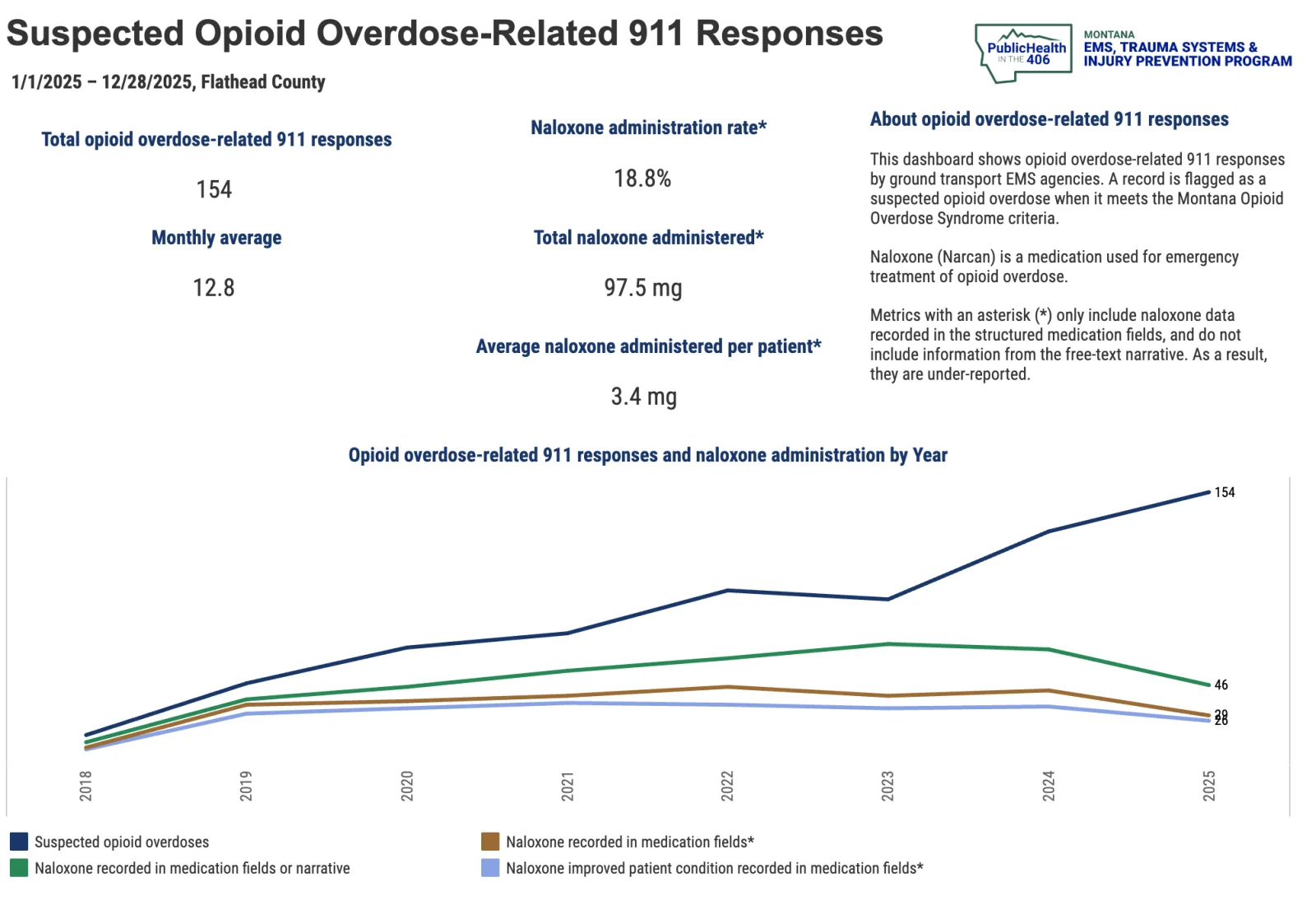
The article discusses the rising overdose crisis in Flathead County, Montana, driven by fentanyl and poly-drug use, highlighting personal stories like Riley McConnell's, and emphasizing the need for increased awareness, resources, and community intervention to combat the growing opioid epidemic.
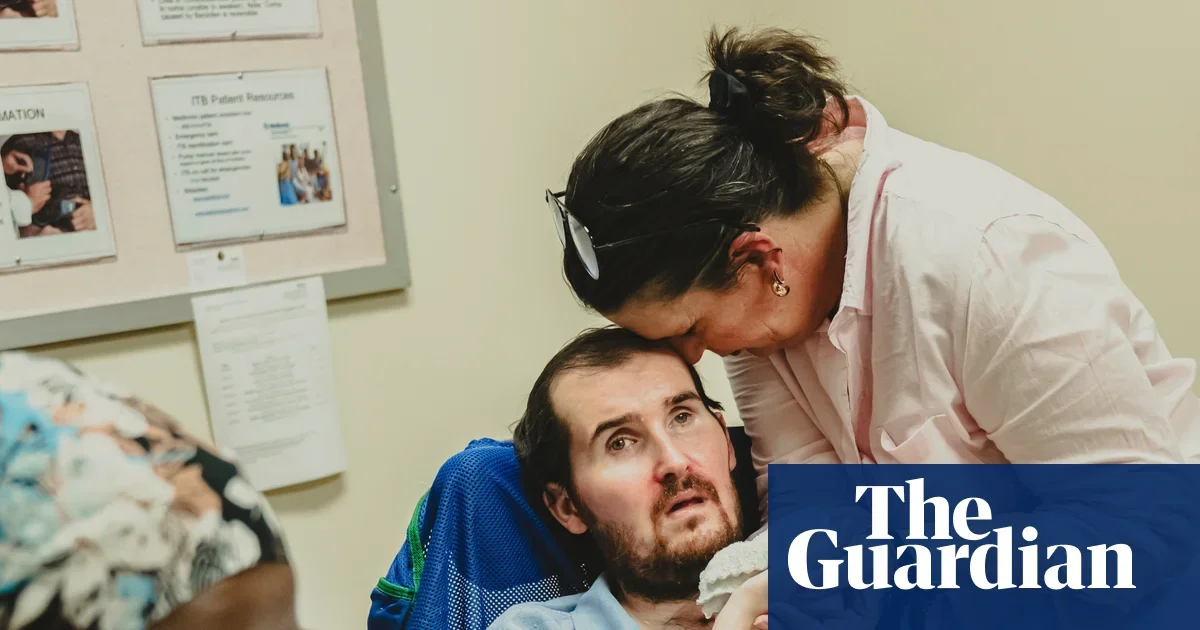
The article highlights the often overlooked aftermath of the opioid crisis, focusing on survivors who live with severe, life-altering injuries from overdoses, such as brain damage and long-term disabilities, emphasizing the need for better understanding and support for these hidden victims.
Fentanyl-related overdose deaths among seniors have surged by 9,000% over the past eight years, driven by the combination of fentanyl with stimulants like cocaine and methamphetamines, highlighting a dangerous and often overlooked aspect of the ongoing opioid epidemic affecting older Americans. Experts emphasize the need for cautious prescribing, increased screening, and harm reduction strategies to address this rising threat.
During a New Jersey gubernatorial debate, Mikie Sherrill accused opponent Jack Ciattarelli of profiting from and contributing to the opioid epidemic, leading Ciattarelli's campaign to announce plans to file a defamation lawsuit against her.
The article reviews various true crime stories across media that highlight institutional failures in healthcare, including the Netflix series 'The Pharmacist' about a pharmacist's quest for justice and exposing the opioid epidemic, the podcast 'Dr. Death' about a doctor’s deadly fraud, the 'Cold Case: The Tylenol Murders' series on a 1982 cyanide poisoning case, and the documentary 'Capturing the Killer Nurse' about a nurse who murdered patients, revealing systemic issues and legal reforms in healthcare.
The article discusses a specialized camp for children who have lost loved ones to opioid overdose, highlighting the emotional support, coping strategies, and the ongoing impact of the opioid crisis on young lives, emphasizing the importance of tailored grief support for this vulnerable group.
Estonia is experiencing a severe opioid crisis driven by the emergence of highly potent synthetic opioids called nitazenes, which have caused a surge in overdose deaths and highlight the challenges of drug policy and social marginalization. The country's history with fentanyl and ongoing struggles with drug demand and supply reflect broader issues that could threaten other European nations and the UK.
A new non-opioid painkiller called ADRIANA, developed in Japan, shows promising early clinical trial results and could provide a safer alternative for severe pain management, potentially helping to reduce the global opioid crisis.
The article explores how decades of deregulation, influenced by political lobbying and industry interests, have allowed unregulated or barely regulated herbal supplements like kratom and kava to flood the market, leading to addiction and health crises. It highlights the loopholes in U.S. supplement laws, the influence of politicians like Orrin Hatch, and the ongoing challenges in regulating these substances, which have contributed to America's drug and addiction problems.
Since January, New Haven County has experienced 68 fatal opioid overdoses, prompting calls for urgent action. The APT Foundation has launched a campaign to improve access to immediate, low-barrier treatment for opioid use disorder, emphasizing the need to treat it as an urgent medical issue and eliminate systemic delays and stigma. Despite existing efforts, delays and barriers still hinder timely care, contributing to preventable deaths.
All 50 U.S. states, D.C., and four territories have agreed to a $7.4 billion settlement with Purdue Pharma and the Sackler family to resolve opioid litigation, aiming to fund addiction treatment and prevent further abuse, marking the largest settlement of its kind.
The article discusses the recent decline in overdose deaths in the US, attributed partly to increased naloxone distribution, but warns that the proposed dismantling of key health agencies by the new administration could reverse these gains and lead to a resurgence in overdose fatalities.