
25 Years Later: 9/11 Dust Exposure Linked to Rising Cancer Rates and Mental Health Decline
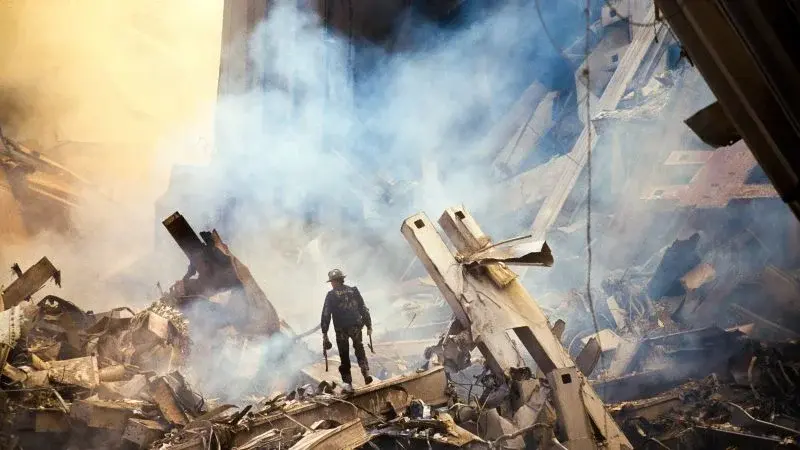
Twenty-five years after the September 11 attacks, new data and studies reveal that the toxic dust from the World Trade Center collapse continues to cause severe, long-term health issues. Recent releases of over 170,000 pages of New York City documents confirm that the dust contained hazardous metals like lead and cadmium, as well as asbestos, which have led to a surge in cancer diagnoses. A Mount Sinai study finds that 39% of responders suffer from probable PTSD, with later-life exposure to air pollution worsening these outcomes. Meanwhile, the federal World Trade Center Health Program faces staffing shortages due to recent government cuts, hindering care for the growing number of affected individuals.
Key points
- New York City released 170,000 pages of documents confirming the Ground Zero dust contained toxic metals and asbestos, which persist in the body for decades.
- More than 10,000 people were diagnosed with 9/11-related cancers in the past year alone, including mesothelioma and leukemia, according to NBC News.
- A Mount Sinai study of 18,734 responders found that 39% meet criteria for probable PTSD, with residential air pollution and heat exacerbating mental health and frailty scores.
- The World Trade Center Health Program’s staff count dropped from 93 to 83 in 2025 due to federal layoffs, despite reversed cuts, leaving the agency understaffed.
- Dr. Ana Navas-Acien notes that inhaled metals like cadmium are fully absorbed into tissues, causing long-term damage to bones and organs.
Background
This story follows the 25th anniversary of the September 11 attacks, marked by memorial events in New York City in September 2026. Previous coverage noted the emotional and symbolic weight of these commemorations, but recent reports shift focus to the physical and medical aftermath. The release of withheld city documents and new epidemiological studies marks a significant escalation in public scrutiny regarding the long-term safety failures and health consequences of the disaster response.
How outlets are covering it
CNN emphasizes the chemical composition of the dust, highlighting how metals and asbestos cause persistent, multi-system damage, and features personal accounts of cancer diagnoses. ABC News focuses on the intersection of historical exposure and current environmental factors, noting that later-life air pollution worsens mental health outcomes for responders. NBC News highlights the sheer volume of new cancer diagnoses, framing the issue as a growing crisis of delayed illness. Politico contrasts the rising number of patients with the declining staff levels of the federal health program, pointing to political and administrative failures in providing care. While CNN and NBC focus on the biological impact, ABC adds the dimension of ongoing environmental vulnerability, and Politico highlights the systemic failure to support those affected.
Why it matters
The revelation that toxic dust caused decades-long health crises exposes significant failures in disaster response and public health transparency. The ongoing surge in cancer diagnoses and mental health issues among responders and residents highlights the long-term human cost of the attacks. Furthermore, the understaffing of the federal health program threatens the ability to treat these patients, raising questions about government accountability and the adequacy of support for disaster survivors.
What to watch
Experts expect the number of cancer diagnoses to continue rising as the latency period for diseases like mesothelioma extends. Researchers are analyzing the newly released documents to fully characterize the dust’s contents. Advocacy groups are likely to push for increased funding and staffing for the World Trade Center Health Program to address the backlog of patients. Public discourse may shift toward broader disaster response policies, using 9/11 as a case study for improving safety protocols in future emergencies.
- The Twin Towers came down in a cloud of toxic dust. Its health impact has lasted decades CNN
- Residential air pollution linked to higher depression scores among 9/11 responders: Study ABC News - Breaking News, Latest News and Videos
- ‘Did you get cancer yet?’: 25 years after 9/11, more and more people are getting sick NBC News
- A federal health program for 9/11 responders is still short-staffed Politico
- 25 Years Later, Ground Zero's Toxic Legacy Is Still Claiming Lives | National News | U.S. News U.S. News & World Report
Want the full story? Read the original reporting
Read on CNN