
Tag

Environmental Toxicology

All articles tagged with #environmental toxicology

25 Years Later: 9/11 Dust Exposure Linked to Rising Cancer Rates and Mental Health Decline
health2 months ago

25 Years Later: 9/11 Dust Exposure Linked to Rising Cancer Rates and Mental Health Decline

Twenty-five years after the September 11 attacks, new data and studies reveal that the toxic dust from the World Trade Center collapse continues to cause severe, long-term health issues. Recent releases of over 170,000 pages of New York City documents confirm that the dust contained hazardous metals like lead and cadmium, as well as asbestos, which have led to a surge in cancer diagnoses. A Mount Sinai study finds that 39% of responders suffer from probable PTSD, with later-life exposure to air pollution worsening these outcomes. Meanwhile, the federal World Trade Center Health Program faces staffing shortages due to recent government cuts, hindering care for the growing number of affected individuals.

Pet Parasite Meds Linger in Feces, Endangering Wild Insects
health10 months ago

Pet Parasite Meds Linger in Feces, Endangering Wild Insects

French researchers find isoxazoline antiparasitics used for fleas/ticks can linger in dog/cat feces for weeks after treatment (median half-lives 15–25 days; some drugs detected post-treatment). Simulations suggest dung‑feeding insects in the wild may face high exposure, prompting EMA reevaluation and calls for more environmental studies and potential changes in pet‑waste disposal during treatments.

"Study: Volunteers Expose Themselves to Polluted Air to Assess Brain Effects"
health2 years ago

"Study: Volunteers Expose Themselves to Polluted Air to Assess Brain Effects"

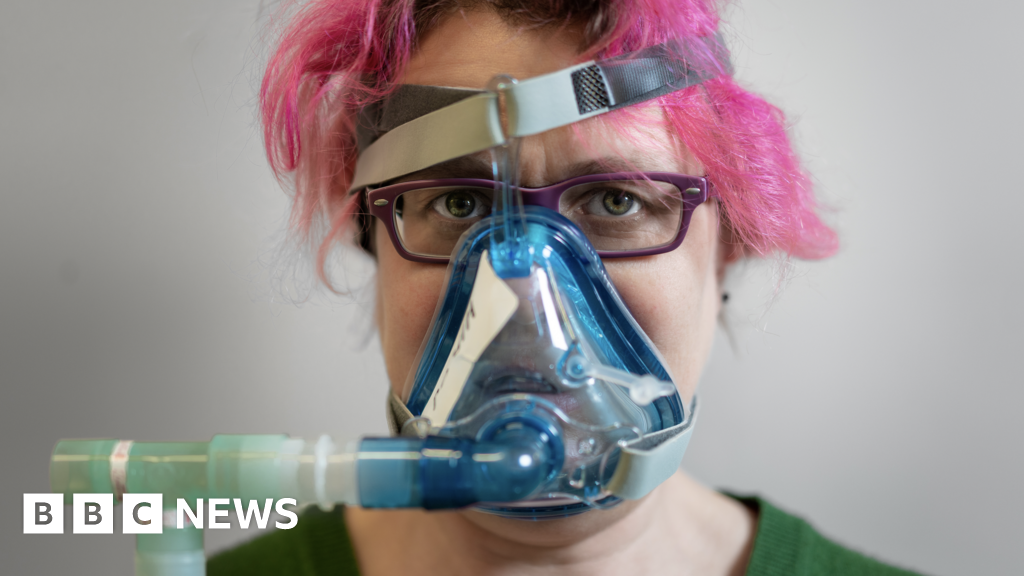
Volunteers in Manchester are participating in a study to understand how different types of air pollution impact the brain. The study involves exposing participants to four different pollutants, including diesel exhaust and cleaning products, and analyzing blood samples and cognitive test results before and after exposure. The aim is to uncover the biological mechanisms that link air pollution to adverse effects on the brain. The researchers also hope to rank the risks associated with each pollutant and provide comprehensive guidance on indoor and outdoor air pollution. The study, although small in scale, is one of the largest analyses of its kind and the results are expected in the coming months.