
Ohio Medicaid Fraud Crackdown Leaves Disabled Patients Without Care
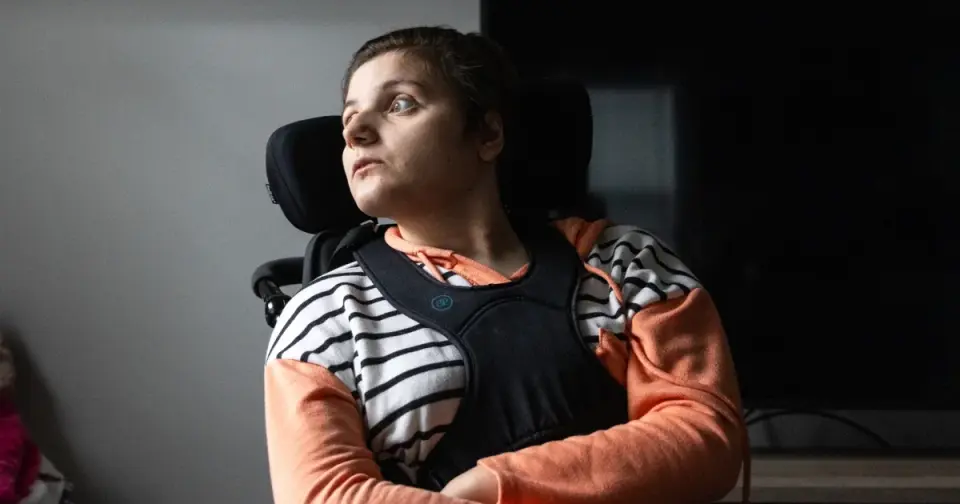
Ohio’s aggressive campaign against Medicaid fraud has inadvertently severed healthcare access for many disabled individuals. While the state aims to eliminate bad actors exploiting welfare programs, legitimate patients are being cut off from essential services. This situation highlights the tension between fiscal oversight and patient care, with critics arguing that broad enforcement measures are causing collateral damage to vulnerable populations.
Key points
- Ohio is implementing strict measures to combat Medicaid fraud, targeting providers and individuals suspected of ripping off social welfare programs.
- These crackdowns have resulted in the termination of care for some disabled people who have legitimate needs.
- The situation is framed within the broader context of President Donald Trump’s promised war on bad actors in social welfare programs.
- Critics and affected individuals argue that the anti-fraud efforts are causing collateral damage, leaving vulnerable populations without necessary medical support.
Background
This development follows a series of federal and state Medicaid fraud crackdowns, including recent operations in New York City targeting adult day care centers and earlier audits in the autism therapy industry. These efforts have raised concerns about the impact on legitimate providers and patients, as seen in previous cases where federal audits restricted access for vulnerable children. Additionally, the broader landscape of Medicaid cuts and rural health fund shifts has intensified scrutiny on healthcare funding and access, making states like Ohio more cautious in their enforcement strategies.
Why it matters
The Ohio case underscores the risks of aggressive fraud enforcement without adequate safeguards for legitimate beneficiaries. As states and federal agencies prioritize cost recovery and accountability, the potential for unintended consequences—such as cutting off care for disabled individuals—highlights the need for balanced approaches that protect both fiscal integrity and patient access to essential services.
What to watch
Ohio may continue its Medicaid fraud investigations, potentially leading to further disruptions in care for disabled individuals. Advocates and healthcare providers may push for reforms that distinguish between fraudulent activity and legitimate needs, aiming to prevent collateral damage. The outcome of these efforts could influence how other states approach Medicaid fraud enforcement in the coming months.
Want the full story? Read the original reporting
Read on NBC News