
Rising Air Ambulance Demand Strains Rural Healthcare as Hospital Closures Accelerate
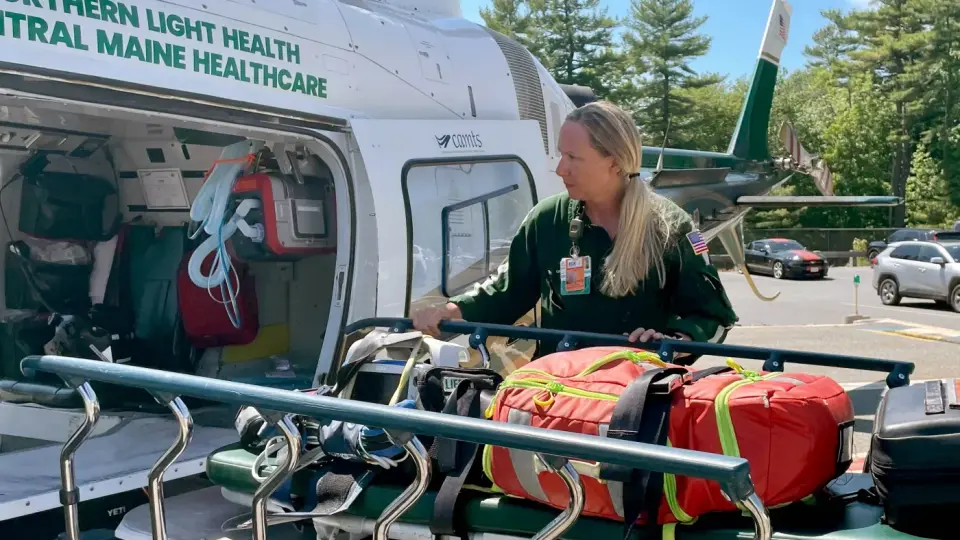
Demand for air medical services in Maine has doubled since 2015, with LifeFlight of Maine completing over 3,000 flights in 2025. As rural hospitals close and ground ambulance services struggle, air crews are increasingly filling gaps in emergency care. However, the sector faces severe staffing shortages, high burnout rates, and financial pressures, prompting innovative retention strategies like improved pay and mental health support.
Key points
- Maine’s air medical demand has doubled since 2015, with LifeFlight of Maine conducting 3,031 flights in 2025 and expecting a 10% increase this year.
- Rural hospital closures and the conversion of facilities to outpatient-only models are forcing air ambulances to handle more interfacility transfers, as ground EMS services become fragmented and unable to meet demand.
- The industry faces a critical staffing crisis, with nearly 25% of ground EMS workers leaving annually and air medical crews struggling to retain staff due to high burnout, low pay, and intense mental health burdens.
- LifeFlight of Maine has implemented retention strategies, including raising paramedic pay to match flight nurses, hiring full-time mental health counselors, and launching a six-to-eight-month 'Critical Care Academy' for training.
- Medicaid cuts estimated at $911 billion over ten years threaten to accelerate hospital closures, potentially making highly trained EMS workers the only barrier between patients and fatal outcomes in rural areas.
Background
This development follows a broader trend of rural healthcare instability, including recent cyberattacks that halted operations at systems like the University of New Mexico Health System and fatal crashes involving medical jets, such as the Latitude Air Ambulance incident off Nantucket. These events highlight the fragility of emergency medical infrastructure, while the recent passing of NPR icon Noah Adams underscores the long-standing focus on rural American narratives in public media.
Why it matters
The reliance on air ambulances signals a systemic failure in rural healthcare access, where closing hospitals and strained ground services leave patients vulnerable. Without sustainable funding and staffing solutions, the gap between rural patients and critical care could widen, leading to preventable deaths and increased costs for emergency response.
What to watch
Regulators and healthcare providers must address the financial sustainability of air medical services and the impact of Medicaid cuts on rural hospitals. Expanding mental health support and improving pay equity in EMS could help stabilize the workforce, but broader policy changes are needed to prevent further hospital closures and ensure equitable access to emergency care.
Want the full story? Read the original reporting
Read on NPR