
Garage cleanup in New York uncovers lost WWII POW testimonies for National Archives
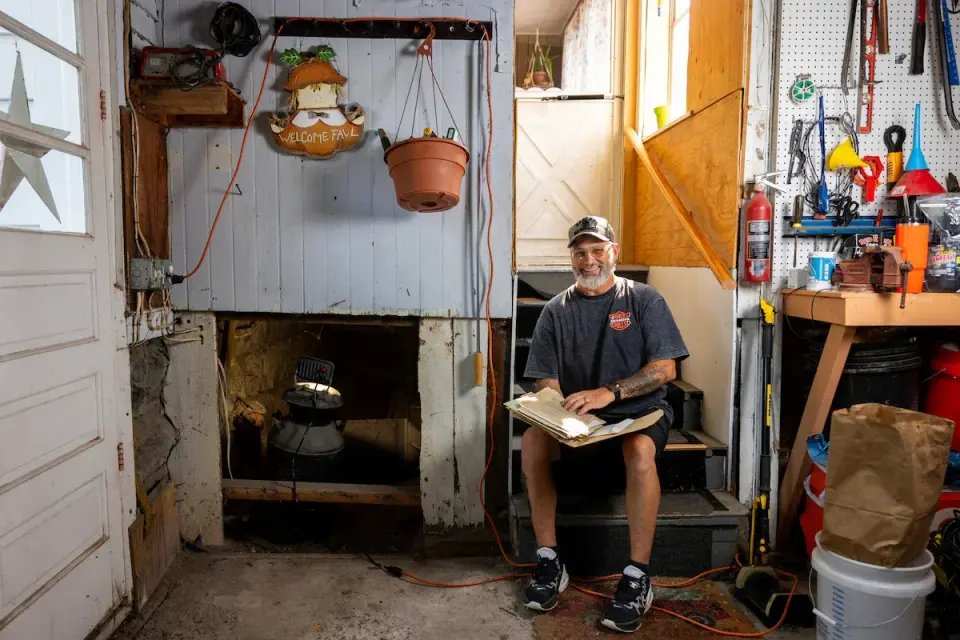
A mechanic in Waterloo, New York, discovered nearly 300 pages of classified World War II prisoner-of-war records hidden in a garage crawl space. The documents, containing firsthand accounts from over 120 American soldiers, were recovered by the National Archives and are now being preserved for public access.
Key points
- Jason Hurdle found a box of weathered files marked 'SECRET' while clearing his garage in Waterloo, New York, in September 2026.
- The documents contain handwritten accounts from over 120 American POWs detailing harsh conditions in German captivity during WWII.
- The National Archives recovered the records in July 2026 through its Archival Recovery Program, which hunts down lost federal records.
- The files include a 1945 memo by Col. Darr H. Alkire detailing violations of the Geneva Conventions in German camps.
- NARA plans to digitize the records and make them available in its College Park, Maryland, research room.
Background
This discovery follows a broader trend of archival recoveries, including the National Archives' retrieval of Apollo mission records and historical documents from auction houses. While previous recoveries often involved items from collectors, this case involves records that had been hidden in a private residence for decades. The National World War II Museum has noted that while many personal war records exist, this collection is significant due to the volume of firsthand accounts included.
Why it matters
The recovery of these documents provides a rare, direct window into the experiences of American soldiers during WWII, offering historical evidence that was previously lost. It highlights the ongoing importance of archival preservation and the potential for significant historical records to be found in unexpected places. The records also serve as primary sources for researchers and families seeking to understand the impact of the war on individual lives.
What to watch
The National Archives will digitize the recovered documents and make them accessible to the public in its research room. Researchers and family members of the soldiers mentioned in the records may now have access to these firsthand accounts, which could provide new insights into the conditions faced by POWs during the war.
Want the full story? Read the original reporting
Read on The Washington Post