history4.11 min read
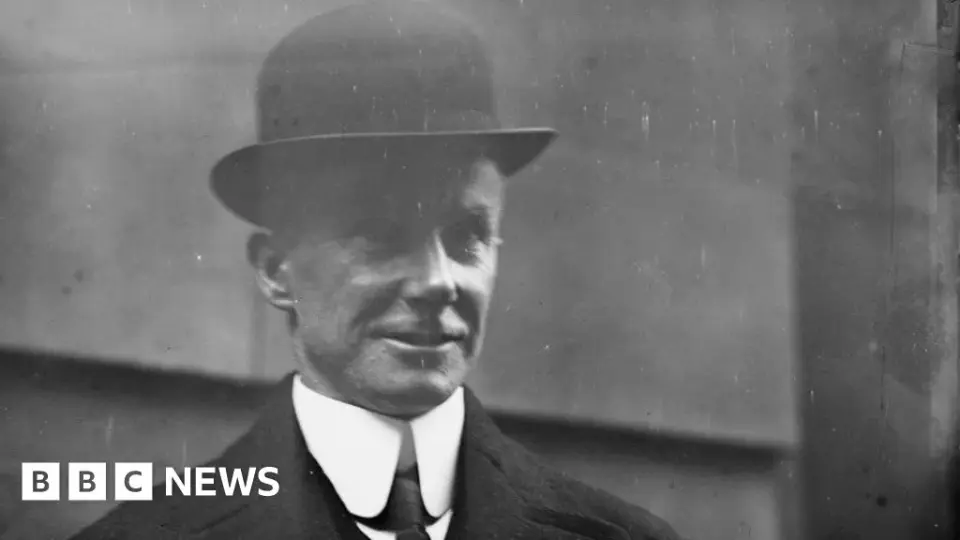
Bolton Captain Arthur Rostron's Critical Role in Saving 705 Titanic Survivors
13 hours ago•Source: BBC

The latest history stories, each synthesized from multiple sources with added background and context.
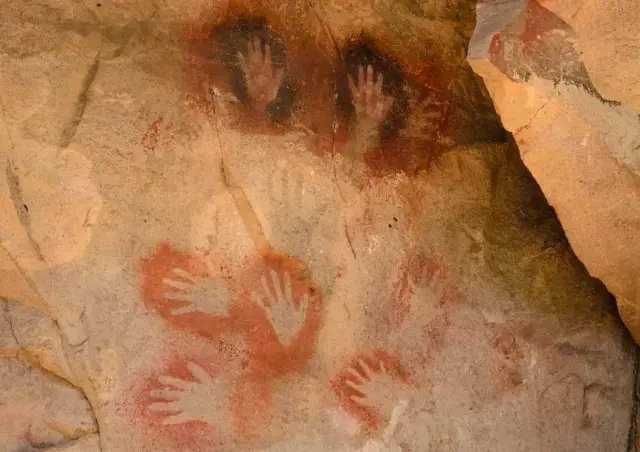
In 1940, four French teenagers, including 18-year-old Marcel Ravidat, discovered the Lascaux Cave after following a dog into a hole on a hillside. The site contained 17,000-year-old paintings of animals and geometric engravings. Public tourism later damaged the fragile environment, leading to its closure in 1963 and the creation of replicas like Lascaux IV.
Fox News•11 days ago
CBS News•12 days ago
A military medal belonging to a soldier from Cheadle Hulme who died in the final week of World War I is being sold at auction. The item offers a tangible connection to the end of the Great War and the local history of the Manchester area.

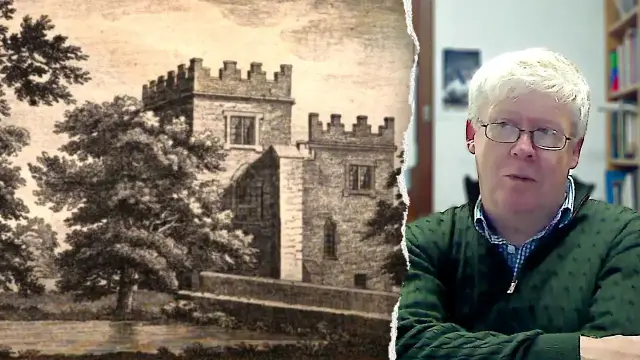
A new archaeological dig in Lincoln aims to uncover the remains of the Hospital of the Holy Innocents, a medieval leprosary founded around 1100. Researchers hope to challenge the Victorian-era myth that leprosy patients were universally ostracized, suggesting instead that such institutions were often wealthy, peaceful religious communities. The three-year project, funded by the National Lottery Heritage Fund, will expand on 2025 test pits that found wall traces and pottery, seeking to reveal the unique design of English leprosaria and connect locals with their hidden heritage.
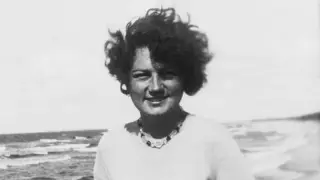
Newly discovered documents in Munich archives suggest Adolf Hitler was in the city when his half-niece, Geli Raubal, died in 1931, contradicting the long-held belief that he was in Nuremberg. Historian Harald Sandner argues these records point to a cover-up by Nazi sympathizers, though experts remain divided on whether this proves murder.
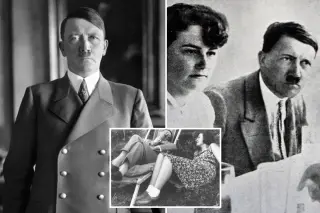
Newly discovered documents suggest Adolf Hitler may have been in Munich when his niece Geli Raubal died in 1931, contradicting his official alibi. Historian Harald Sandner argues the body was found a day earlier than recorded, implying Hitler had the opportunity to commit the act. While some experts dismiss this as a clerical error, others suspect a cover-up by Nazi sympathizers in the police.
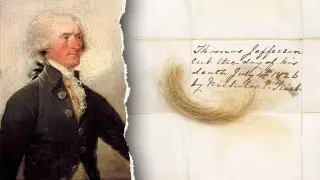
A 15-year Smithsonian-led study has provided definitive genetic proof that Thomas Jefferson fathered children with Sally Hemings. By sequencing DNA from Jefferson’s preserved hair and comparing it to living descendants, researchers ruled out alternative theories involving his brother Randolph. The findings, detailed in anthropologist Richard Kurin’s book 'History by a Hair,' reinforce historical consensus and offer closure to a long-standing national controversy.
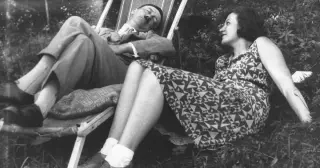
Harald Sandner, a historian, discovered documents in a Munich archive that contradict the official timeline of Geli Raubal's 1931 death. These records suggest Adolf Hitler may have been present in Munich when his niece died, challenging his previously accepted alibi that he was in Nuremberg. The findings raise questions about potential police cover-ups by Nazi sympathizers.

An amateur archaeologist in western Germany discovered a hoard of 934 Roman silver denarii, the largest collection from the Hadrian era ever found in the country. The 3.1kg cache, buried in the second century AD, is now on display in Bonn.

A Wehrmacht motorcycle and the remains of two unidentified German soldiers were recovered from the Danube River in Budapest, preserved by oil-rich mud. The German War Graves Commission is analyzing intact identification tags and artifacts to determine the men's identities and fates, though the cause of death remains unknown.

A 14th-century female skeleton from Henan, China, provides the first archaeological evidence of punitive nasal amputation. The woman, who lived between 1298 and 1404, survived the procedure for several years, as indicated by healed bone fractures. Her face-down burial suggests social ostracism, likely resulting from crimes such as theft or adultery under the historical 'Five Punishments' system.

BuzzFeed collects 90 history facts that read like tall tales—ranging from animals on trial and mid-air plane tennis to a 1947 flying car test, the 1978 Mormon priesthood ban for Black members, and ancient fart jokes—proving that history can be stranger than fiction.