
Vikings in North America: New Evidence and the Columbus Debate
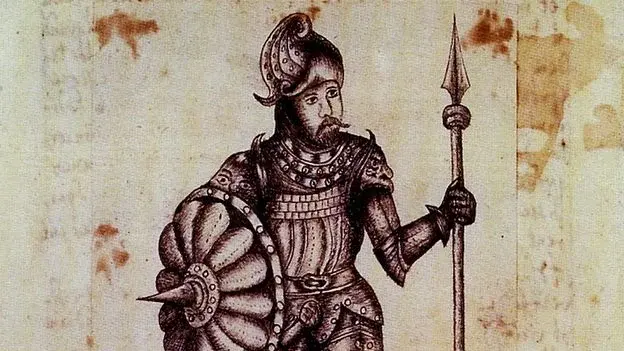
Vikings reached North America around 1000 CE, 500 years before Columbus, but their impact was limited. Columbus's voyages established lasting contact, though his legacy remains controversial. Recent debates highlight the complexity of historical narratives.
Key points
- Vikings, led by Leif Erikson, reached North America around 1000 CE, establishing a temporary settlement at L'Anse aux Meadows in Newfoundland.
- The Norse settlement was a staging post for exploration, not a permanent colony, and did not lead to sustained contact with the Americas.
- Columbus's 1492 voyage initiated continuous interaction between Europe and the Americas, significantly altering global history.
- The debate over Columbus's legacy is fueled by differing interpretations of his achievements and the impact of his voyages on Indigenous populations.
- Recent archaeological findings, including carbon dating of wood from L'Anse aux Meadows, confirm the Norse presence in North America around 1021 CE.
Background
The BBC has delved into the 'lost history' of the first Europeans to cross the Atlantic, highlighting the Norse sagas and the discovery of a Norse transit camp at L'Anse aux Meadows in 1960. The Washington Post and National Review provide additional perspectives on the significance of the Norse and Columbus's voyages, respectively.
How outlets are covering it
The BBC emphasizes the Norse exploration and the reliability of the sagas, while the Washington Post questions why Leif Erikson does not receive more credit compared to Columbus. The National Review argues that the 'war on Columbus' is unfounded, highlighting his navigational skills and the unintended consequences of disease rather than deliberate genocide. The BBC and Washington Post agree on the limited impact of the Norse settlement, while the National Review focuses on Columbus's lasting impact on global history.
Why it matters
Understanding the Norse and Columbus's voyages provides a more nuanced view of European exploration and its impact on the Americas. The debate over Columbus's legacy reflects broader discussions about historical interpretation and the recognition of Indigenous peoples' contributions and suffering.
What to watch
Further archaeological research may reveal more about the Norse presence in North America and the extent of their exploration. The debate over Columbus's legacy is likely to continue, with ongoing discussions about the recognition of Indigenous Peoples' Day and the historical accuracy of Columbus's portrayal.
- 'They were people who took chances': The Vikings who reached the Americas 500 years before Columbus BBC
- He reached the Americas centuries before Columbus. Why doesn���t he get more credit? The Washington Post
- Remembering another Columbus Day New York Social Diary
- Columbus Without Apology National Review
- Columbus Was Inevitable WSJ
Want the full story? Read the original reporting
Read on BBC