
Prop 45 Sparks Rare Split in California’s Pro-Housing Coalition Over Sprawl vs. Speed
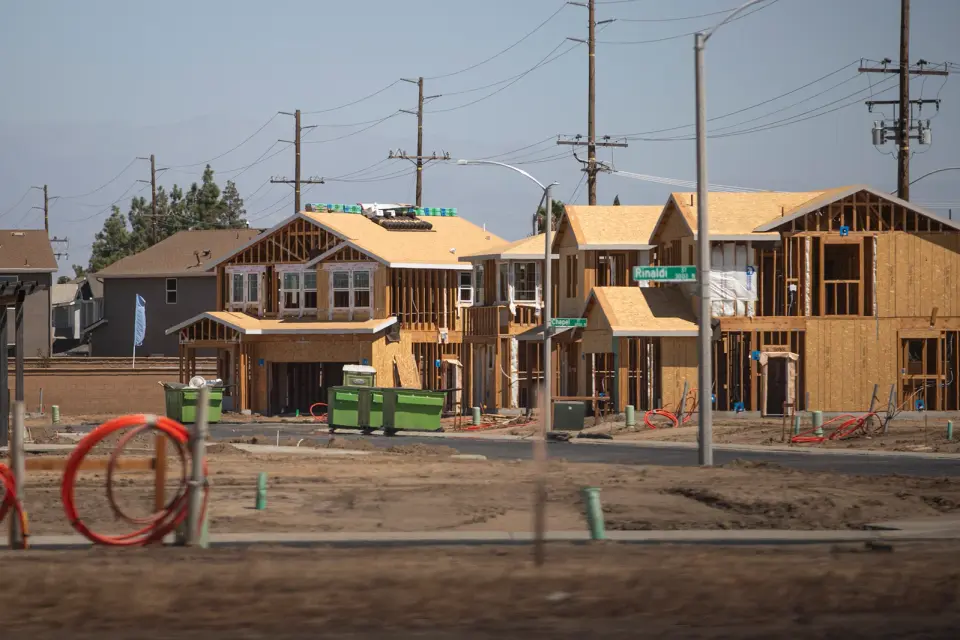
Proposition 45, which aims to streamline environmental reviews for 'essential' projects including housing, has fractured California’s pro-housing coalition. While developers and Assemblymember Buffy Wicks support the measure to accelerate construction, urban-focused groups like the Greenbelt Alliance oppose it, fearing it will incentivize car-dependent sprawl. The debate centers on whether recent infill exemptions have already resolved CEQA bottlenecks or if litigation delays still hinder projects.
Key points
- Prop 45 would impose a 365-business-day limit on environmental reviews and a 270-business-day limit on related litigation for 'essential' projects, including housing, roads, and hospitals.
- The measure does not exempt projects from review but narrows the scope and accelerates timelines, aiming to prevent lawsuits from stalling development indefinitely.
- Proponents, including the building industry and Assemblymember Buffy Wicks, argue that even with recent infill exemptions, large projects and litigation delays remain significant barriers to housing supply.
- Opponents, such as the Greenbelt Alliance and Eastbay for Everyone, argue that the measure promotes low-density, car-dependent sprawl at the metropolitan fringe, contradicting climate and urban planning goals.
- Major advocacy groups like California YIMBY, SPUR, and Abundant Housing Los Angeles have taken neutral positions, reflecting a fractured consensus within the housing movement.
Background
California passed Assembly Bill 130 in 2025, which exempted most infill housing from the California Environmental Quality Act (CEQA). Since its enactment, developers have entitled nearly 18,000 units under this exemption. However, Prop 45 extends streamlining to all housing types, including exurban developments, and addresses litigation delays that persist even when CEQA is bypassed. This follows a decade of legislative efforts to streamline environmental reviews, primarily focused on infill development to maintain a coalition of urbanists, climate activists, and developers.
Why it matters
The outcome of Prop 45 will determine whether California’s housing strategy prioritizes rapid, widespread construction across all geographic zones or maintains a focus on dense, transit-oriented urban development. A 'Yes' vote could accelerate housing supply but risk increased car dependency and infrastructure costs, while a 'No' vote may preserve environmental safeguards but potentially leave persistent litigation delays unaddressed for large-scale projects.
What to watch
Voters will decide on Prop 45 in the November 2026 general election. The campaign’s success will hinge on whether voters prioritize immediate housing supply increases or long-term urban planning and environmental protections. The measure’s passage could also influence future legislative efforts to streamline other regulatory processes for essential infrastructure.
Want the full story? Read the original reporting
Read on CalMatters